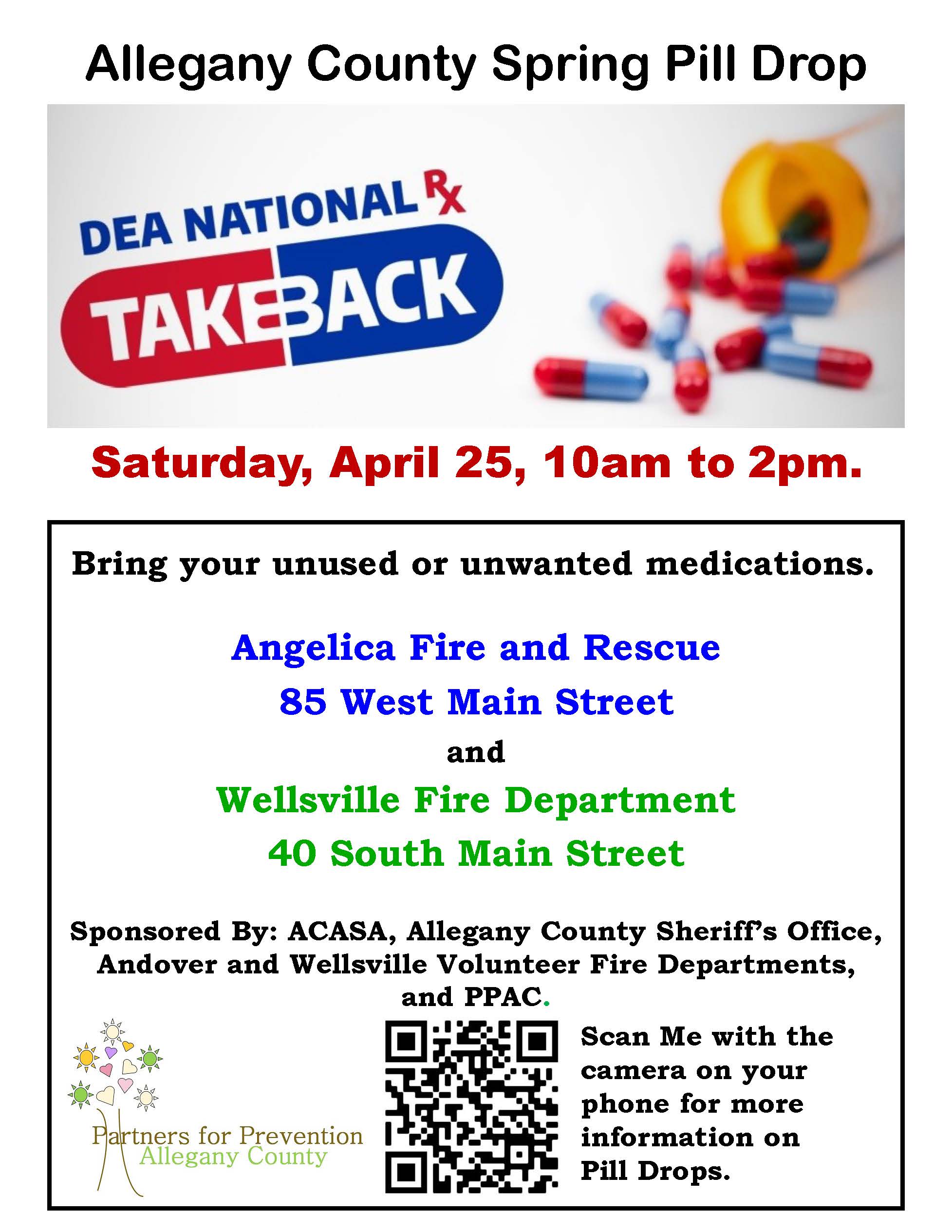
PPAC Central
Nicotine Pouches Not an Approved Way to Quit
As expected, Gov. Hochul’s proposed excise tax on the sale of nicotine pouches, similar to taxes on other non-cigarette tobacco products, has supporters and detractors. I urge you not to accept claims that nicotine pouches, like Zyn, should be exempt from tobacco excise taxes because they are approved for smoking cessation. That’s wrong. There are a variety of FDA-approved, medically backed, safe nicotine replacement therapies (NRT), available both over-the-counter and by prescription. They provide controlled, standardized doses of nicotine (typically 2 mg or 4 mg) to gradually reduce addiction. Pouches are marketed in a much wider range of nicotine, some reaching concentrations up to 50 mg or higher per pouch, which can maintain and even increase addiction levels. And NRT flavors are restricted to basic options like mint to avoid appealing to youth. Pouches feature extensive, often sweet flavors like “Berry Frost” or “Mango Tango” which appeal to youth. New York State has finally seen a significant drop in youth vaping—just in time for the tobacco industry to come along with another new product to attract and addict our youth. Nicotine pouches are not approved for smoking cessation, and it is well known that tax increases on tobacco products reduce tobacco use, especially among youth.
The good news is if you are thinking about or want to quit tobacco use as an Allegany County resident you have options, first option is visiting the New York State Quitline or contacting them at 1-866-697-8487 for free nicotine replacement therapy and counseling. Second option is visiting the Allegany Council on Alcoholism and Substance Abuse, Inc. (ACASA) for free local help.
January is National Birth Defects Awareness Month

January is National Birth Defects Awareness Month, with “Every Journey Matters” as this year’s theme. According to information from the New York State Office of Cannabis Management website, one critical area to consider is that of avoiding harmful substances during pregnancy, such as cannabis. Based on studies of both human and animal subjects, leading medical organizations such as the American College of Obstetricians and Gynecologists and the American Academy of Pediatrics recommend that anyone who is contemplating pregnancy, is pregnant, or is breastfeeding should stop using cannabis. When mommy uses any substance, so does baby. Chemicals in cannabis pass through the mother and can harm a baby’s development. Included is cannabis smoke, which has many of the same chemicals as tobacco smoke, which are known to be harmful to both mother and baby.
Cannabis purchased from the illicit market, not from a licensed dispensary, can pose additional risks as it is not tested or regulated. These products can potentially be contaminated with mold, fungus, pesticides, or other chemicals that can be dangerous if consumed. Potency levels may also not be labeled or labeled accurately.
Expectant mothers who take medical cannabis are strongly encouraged to talk with their health care provider about the possible risks/benefits during pregnancy, and ask about other medications or treatments which may have more pregnancy-specific safety data. This is also suggested for women experiencing morning sickness, as there have been no clinical trials or studies to prove that cannabis is an effective way to treat morning sickness.
Benefits of breastfeeding are vast for both mother and baby. For more information on cannabis and the impact on breastfeeding, view the Breastfeeding Ground Rounds entitled Marijuana Use During Pregnancy and Breastfeeding, hosted by the SUNY University at Albany School of Public Health. Let’s support our future generation of babies by encouraging potential mothers to choose a healthy lifestyle free of substances! Be an active participant in this important initiative by visiting the National Birth Defects Prevention Network (NBDPN) website for resources. For assistance with a substance use disorder, call the Allegany Council on Alcoholism and Substance Abuse’s Clinic at 585-593-6738.
Resources
Cannabis Considerations for Pregnant and Breastfeeding/Chest Feeding Individuals
CDC’s Substance Use During Pregnancy
What You Should Know About Using Cannabis, Including CBD, When Pregnant and Breastfeeding
Early Family Literacy: Building Strong Foundations for Lifelong Learning
Why Early Literacy Matters
Early literacy is more than teaching children to read—it’s about creating an environment where language, communication, and curiosity thrive from birth. Research shows that the first five years of life are critical for brain development. During this time, children build the foundation for vocabulary, comprehension, and social-emotional skills that influence academic success and lifelong learning.

The Role of Families
Families are a child’s first teachers. Everyday interactions—talking, singing, reading aloud, and playing—shape language development. When parents and caregivers engage in literacy-rich activities, they foster:
- Vocabulary Growth: Exposure to diverse words through conversation and books.
- Comprehension Skills: Understanding stories and concepts through shared reading.
- Emotional Connection: Bonding during reading time builds trust and security.
Practical Strategies for Families
- Read Aloud Daily: Even a few minutes of reading strengthens language skills.
- Talk About Everything: Narrate daily routines, ask open-ended questions, and encourage storytelling.
- Create a Print-Rich Environment: Display books, labels, and written notes around the home.
- Use Music and Rhymes: Songs and rhymes enhance phonemic awareness.
- Model Reading Behavior: Let children see adults enjoying books and newspapers.

Overcoming Barriers
We know not all families have equal access to books or literacy resources. Community programs, libraries, and nonprofits play a vital role in bridging gaps by:
- Providing free books and story hours like Dolly Parton’s Imagination Library (Early Childhood Development Coalition and Ardent Solutions).
- Offering parent workshops on early literacy techniques.
- Creating culturally responsive materials that reflect diverse families.
The Bigger Picture
Early family literacy isn’t just about reading—it’s about equity, empowerment, and opportunity. When families are supported in fostering literacy, children enter school ready to learn, reducing achievement gaps and promoting lifelong success.
Join other families every Tuesday from 10a.m.-12p.m. at the First Step Family Resource Center, 83 N. Main Street, Wellsville, New York 14895 for Dolly Parton’s Imagination Library story time and sign-up today to receive free, quality, age-appropriate books for your children up to age 5 at Check Availability – Dolly Parton’s Imagination Library. Further information, please contact Robin Fuller at 585-803-4526 or email fullerr@ardentnetwork.org.
Beware of Tobacco Companies’ Candy-flavored Tricks
‘Companies are making these products look and smell sweet like candy.’


As Halloween approaches, Tobacco-Free Chautauqua, Cattaraugus and Allegany (TF-CCA) is calling out the tobacco industry’s continued use of candy flavors and packaging to lure kids to addiction. E-cigarettes, nicotine pouches and cigarillos come in sweet flavors and colorful packaging that imitates popular candy brands. These added flavors make starting tobacco use easier and quitting even harder.
“To protect public health, especially for youth, the 2009 Family Smoking and Tobacco Prevention Act banned the sale of cigarettes with ‘characterizing’ flavors other that tobacco or menthol,” says Jonathan Chaffee, Reality Check Youth Coordinator for TF-CCA. “However, other flavored tobacco products have remained on the market and become much more prevalent in the years since, including smokeless tobacco, little cigars and cigarillos, e-cigarettes and nicotine pouches, which are sold in an array of flavors in addition to menthol cigarettes.”
“Vampire Kiss, Tropical Fusion, Rainbow Custard and Strawberry Shortcake…they all sound like tasty Halloween treats, but they are actually flavors of tobacco and nicotine products that attract and addict youth,” says Dr. Maansi Bansal-Travers, Tobacco Control Outreach Program Director at Roswell Park Comprehensive Cancer Center. “Big Tobacco’s flavor tricks are a key reason why teens in our community are vaping and using nicotine products. Companies are making these products look and smell sweet like candy.”
More Big Tobacco Tricks
Introducing new and limited-edition flavors.
Tobacco companies regularly increase their flavor offerings to attract new users and feature limited-edition or seasonal flavors like “Summer Fusion,” “Harvest Blend,” or “Spiced Rum.” These flavors are driving youth use. In fact, a study from the Centers for Disease Control and Prevention (CDC) found that over 80% of high school and middle school students who use e-cigarettes use flavored products, with fruit, candy/desserts/other sweets, mint and menthol reported as the most popular flavors.
Emphasizing flavors in advertisements and colorful imagery on packaging.
The packaging and other marketing of flavored tobacco products emphasize flavors with bright colors and enticing descriptors like “Icy Wintergreen,” “Sweet Apple,’ and “Refreshingly Bold Citrus.”
Paying to place them strategically in retail environments.
Displaying flavored tobacco products on countertops near candy is a deliberate marketing tactic used by the tobacco industry to be more visible and easily accessible to youth. They pay a big price for this premium shelf space.
Are your kids bringing home a Big Tobacco trick or a Halloween treat? TF-CCA urges parents to beware of candy-flavored e-cigarettes, cigarillos and nicotine pouches this spooky season and beyond.
NYS Quitline is available to help.
Anyone who lives in New York State may contact the NYS Quitline by calling 1-866-NY-QUITS (1-866-697-8487). They can also visit nysmokefree.com to reach a specialist through an online chat, request a call-back or order free nicotine replacement therapy (NRT) medications. The NYS Quitline additionally offers a variety of free texting programs for those seeking help at their fingertips. Learn2QuitNY and Vivir Sin Tobaco Es Vida (culturally tailored for Spanish-speaking communities) provide daily texts and weekly goals; text QUITNOW or DÉJELO YA NY to 333888 to register. The NYS Quitline’s latest texting service, ‘Drop The Vape’, supports young people and young adults in their efforts to overcome nicotine addiction. Registration and more information is available at DropTheVape.com.
Allegany County residents can get local help quitting by contacting the Allegany Council on Alcoholism and Substance Abuse, Inc. (ACASA) at 585-593-1920 ask for Ann.
Fall Pill Drop
This past Saturday, October 25 the Allegany Council on Alcoholism and Substance Abuse, Inc. (ACASA), the Allegany County Sheriff’s Office, Alfred Station Fire Company and Belfast Fire and Rescue Department, and Partners for Prevention in Allegany County (PPAC) held their biannual pill drop event in conjunction with the Drug Enforcement Administration’s (DEA) National Take Back Day. Community members brought 19.4 pounds of unwanted or unused medications they wanted to dispose of properly. The agencies use the pill drops to educate the community on the fourteen Take It to the Box locations that are throughout Allegany County, that can be used to dispose of medications year-round for free. The partners also educated about the availability to dispose of needles at any of the Allegany County transfer stations for free. Community members are asked to put needles into a puncture proof container like a laundry detergent bottle with the cap securely on. Allegany County is one of the very few counties in New York that offers this service for free.

Alfred Station and Belfast were chosen to be the Fall pill drop locations to help educate about the closest Take It to the Box locations at Alfred Pharmacy, Alfred University, Fillmore Pharmacy and Nicholson Pharmacy in Belmont.
6 cars came to the two locations to drop off medications. Even though the pill drop events do not collect as much medication as in the past the Take It to the Box locations have collected 1096.9 pounds of medications so far in 2025. Each person who dropped medications off received a Take It to the Box magnet. All medications that are collected are taken to an incinerating location by the Sheriff’s Office to make the medications harmless to the environment and useless to people.
“It is important for people to not flush medications as they are harmful to our environment,” states PPAC Coalition Coordinator Jon Chaffee. “Studies have shown that when medications are put down the drain, they find their way into our waterways and fish.”
The partners would like to “Thank” the Alfred Station Fire Company and Belfast Fire and Rescue Department for providing space for the Fall Pill Drop and the Allegany County Sheriff’s Office for handling the medications to make sure they are disposed of properly and maintaining the Take It to the Box locations.
If community members were unable to make the Fall Pill Drop, they can also dispose of their medications properly anytime at: Allegany County Sheriff’s Office, Cuba Pharmacy, Cuba Police Department, Fisher’s Pharmacy, Friendship Pharmacy, Jones Memorial Hospital, Jones Memorial Medical Practices in Andover and Boliver, and Tri-County Family Medicine in Canaseraga, and the Wellsville Police Department.
The next pill drop event will be held in April of 2026. To find out more information on the Take It to the Box locations visit www.ppaccentral.org/takeittothebox/. If you want to know more information about the National Take Back Day or find other locations you can visit https://www.dea.gov/takebackday. For questions people can also reach out to Coalition Coordinator Jonathan Chaffee by emailing ppac@alleganycouncil.org or calling (585) 593 – 1920.
Remember Prevention Works!
National Domestic Violence Awareness Month

For many, October 1st signifies the first day that it is acceptable to decorate for Halloween, drink pumpkin spice lattes, and enjoy the cool sweater weather of fall. However, for agencies like Connecting Communities Action and ACCORD, October 1st signifies the first day of something else – National Domestic Violence Awareness Month. This awareness is vital to our communities.
What is domestic violence? It’s an individual’s attempt to exert their power and control over another individual in which they are in a relationship with, now or in the past. Traditionally when we think about domestic violence, we only think about the physical component. However, there are 5 types of abuse that we categorize the tactics of abuse into, the most commonly known physical abuse, sexual abuse, emotional abuse, financial abuse and psychological abuse.
Survivors or victims are not likely to come out and share what is happening in their relationships out of fear, guilt, shame, or many other valid reasons. So as our friends, neighbors, coworkers, we ask that you watch for the warning signs, or red flags. These can be things like, the partner always calling to check in, and continuing to call or text until they respond. Not allowing their partner to go hang out with family or friends alone. Worring if they are running late from a meeting or event. Having their location turned on and shared with their partner. Partner showing up to places uninvited because they just “miss them so much”. Ask questions as these could be serious red flags in a relationship. Some of these are subtle and can be easily overlooked or justified, let them know you’re there to listen to or provide the resources listed below for when they are ready.
So, as October is coming to a close keep in mind 1 in 3 women, and 1 in 5 men are impacted by domestic violence. Statistically speaking this means you likely know someone that is currently experiencing domestic violence or someone that has been impacted by domestic violence. Watch for the red flags in relationships and be a support for when they are ready to open up.
As always there are community resources that are just a call away. For Allegany County, please contact ACCORD (1-800-593-5322.) For Cattaraugus County, please contact Connecting Communities in Action (1-888-945-3970.)
Seen Enough Tobacco Day
The statement “youth have seen enough tobacco” is the slogan for Seen Enough Tobacco Day, an annual day of action held on October 13 in New York and led by youth members of Reality Check. It highlights the billions of dollars the tobacco industry spends on marketing, which studies show increases the likelihood of young people starting to use tobacco products.
Despite federal regulations on tobacco advertising and sales to people under 21, the tobacco industry continues to use sophisticated and targeted marketing tactics to attract young people.
One deceitful tactic involves using appealing flavors in their products, including e-cigarettes and nicotine pouches, to attract new, young users. The vast majority of underage e-cigarette users report using flavored products, despite New York State banning flavored e-cigarettes in 2020, you can’t miss the huge window ads and neon signs in smoke shops. Young people do not have to go inside the stores to find out what they sell. The majority of these illegal flavored e-cigarettes are manufactured in China, which also brings up concerns about the lack of regulations and quality control for these products.

The tobacco industry promotes e-cigarettes and nicotine pouches as harm reduction products for current smokers to switch too, but what they do not mention is that most of these products expose the users to higher levels of nicotine than conventional cigarettes. Nicotine is a highly addictive drug, which changes how the adolescent brain develops and can cause anxiety and depression to worsen. Young people who start vaping have higher rates of smoking cigarettes and vaping cannabis as they get older.
The tobacco industry also heavily promotes e-cigarettes and nicotine pouches on social media platforms like TikTok and Instagram, where age restrictions aren’t closely monitored. Studies show frequent social media use is linked to a higher risk of youth starting to use tobacco products.
In stores, tobacco products are often placed in highly visible areas, like near candy displays, or promoted with price discounts that appeal to younger people. The industry uses bright, colorful imagery on packaging and has historically used branded promotional materials and sponsorships of social events to appeal to youth.
The Seen Enough Tobacco movement is part of broader anti-tobacco efforts that have been successful in reducing cigarette smoking among youth. However, the rise of new products like e-cigarettes and nicotine pouches presents a new challenge. Join the voices who have seen enough tobacco marketing and are saying something about it — on October 13 and beyond.
For young people who want to quit vaping, they can sign up for the free texting service at Drop the Vape.
Be a Family Day STAR!
Monday, September 22nd, marks the 25th Anniversary of Family Day: Making Every Day Special, founded in 2001 by the Center on Addiction. Research by the National Center on Addiction and Substance Abuse (CASA) at Columbia University has consistently found that the more often children eat dinner with their families, the less likely they are to smoke, drink, or use other drugs. Conversations during mealtime are a way for parents to stay connected and involved with their children. Including youth in meal prep and clean-up instills a sense of responsibility and they are likely to feel like part of a team. In addition to family bonding, kids who eat with their families are more likely to learn healthy eating habits, eat smaller portions, do better in school, and are less likely to stress about food. Depending on weather, a picnic with board games would be a fun way to enjoy nature and appreciate each other’s company.


Televisions, cell phones, and other mobile devices should be turned off during dinner so each person can share the day’s events without distractions. (The exception would be if a family member is separated by distance and phone/virtual technology is the primary means of communication.) Trips in the vehicle can also be used as teachable, quality bonding time, as parents have a “captive” audience. The earlier parents start connecting with their kids, the better. If kids aren’t used to talking to their parents about what’s going on in their lives when they are eight or ten, it will be more difficult to get them talking when they are older.
Teens are at greater risk of substance abuse as they move from middle school to high school, so, parents need to be especially attentive during this transition period.
Teens are at greater risk of substance abuse as they move from middle school to high school, so, parents need to be especially attentive during this transition period. If parents are unsure of how to start an age-appropriate conversation, they can access tips in the Parent Toolkit on the CASA Family Day website. Other valuable information can also be found in the toolkit, such as “connecting” with kids, preventing substance use, background facts on substance use, family activities and worksheets, and tips for talking to kids about substance use. Parents can also sign up on the website to receive a parent newsletter. Family photos and/or videos can be shared on social media using #MyFamilySelfie If you share family photos tag PPAC Central on Facebook or Instagram to show us and other families how you enjoy spending time as a family.
Be creative! Ask family members what healthy, positive activity they would like to try as a family unit. Embrace this “silver” milestone with extra motivation and a special meal! Below are some ideas to get the creativity flowing.
- Host a family meal: This is the original focus of National Family Day, and research shows that eating together regularly can strengthen family bonds.
- Create a photo memory book: Work together to create a physical or digital scrapbook of favorite family photos and memories. Apps like Canva or iMovie can help you create a fun photo montage or video.
- Have a family game night: Get out the board games, card games, or even team-based video games. This activity builds cooperation and creates lots of laughter.
- Volunteer as a family: Give back to your community by volunteering at a food bank, animal shelter, or other local charity. This is a great way to solidify family values.
- Cook or bake together: Try a new recipe, make homemade pizzas, or bake cookies. Giving everyone a role in the kitchen builds teamwork and creates a delicious reward.
Celebrate with parents nationwide and pledge to commit to being a STAR:
Spend time with your kids by playing games, taking a walk on local trails, or enjoying another family activity.
Talk to them about their friends, interests, and the dangers of using substances.
Answer their questions and listen to what they say.
Recognize that parents have the power to keep their kids substance-free! A warm, supportive relationship between parents and their children is linked to better judgement, increased self-control, and resilience, which are strengths that help reduce the risk of future drug use. It is okay to not have all the answers to their questions, let them know you have to look something up. Information and facts on alcohol, nicotine, THC, and other substances can be found at TalkItOver.org.
Remember, parental engagement does make a difference, and prevention works!
August 31 is International Overdose Awareness Day

August 31 is recognized as International Overdose Awareness Day (IOAD) the world’s largest annual campaign to end overdose, remember those we have lost to an overdose, acknowledge the grief of the family and friends left behind, and renew our commitment to end overdose and related harms.
The campaign raises awareness of overdose, which is one of the world’s worst public health crises and stimulates action and discussion about evidence-based overdose prevention and drug policy.
This IOAD, we encourage unity andcollective action against overdose.
- Overdose knows no boundaries, so our efforts must connect the many voices impacted by overdoses.
- We are united in grief, empowered together to transform loss into hope and action.
The goals of IOAD are to:
- Honor the lives of loved ones who have died from overdose.
- Show support to people who use drugs and those in recovery that they are valued.
- Continue to raise awareness about the risks of drug overdose.
- Share information on available prevention, treatment and recovery support services.
- Promote evidence-based practices and strategies to prevent and reduce drug-related harms.

In January a partnership between the Allegany Council on Alcoholism and Substance Abuse, Inc, (ACASA), Jones Memorial Hospital, and Medication for Addiction Treatment & Electronic Referrals (MATTERS) placed a harm reduction vending machine by the Emergency Room Parking lot at Jones Memorial Hospital. The vending machine gives community members access to Naloxone. Which reverses the effects of overdose, as well as fentanyl and xylazine test strips. All supplies are free of charge. Since the vending machine has been operational ACASA staff have heard from grateful community members because they have friends and family members going through addiction and the supplies in the vending machine might allow them to save their lives. “The truth is, none of us can recover or make changes if we’re not alive to do it,” states Cassi Stives, Certified Peer Recovery Advocate for ACASA. “Harm reduction keeps that door open. No one is disposable and your recovery matters!”
Since January hundreds of supplies have been distributed to community members. “It has been a very positive collaboration with these organizations on providing these harm reduction resources to those in our community,” says Chad Sebastian, Executive Director of ACASA. “As it has been a valuable resource for those individuals and families impacted by a substance use disorder.”
If you or someone you know is looking for help with addiction they can contact ACASA at (585) 593-6738 or visit www.alleganycouncil.org for more information on services that are available to them. For more information on International Overdose Awareness Day visit https://www.overdoseday.com/.
August is National Wellness Month: A Great Time to Try Quitting Tobacco Products
Happy August! It’s the perfect time to soak up summer sun, go on picnics and enjoy vacations. It’s also National Wellness Month, a perfect time to address tobacco use and making a dedicated effort to quit.
Tobacco use remains the leading cause of preventable death and disease in New York State, killing more than 22,000 New York residents annually. Each year an estimated 10,600 New York youth become new regular, daily smokers, and an estimated 280,000 youth currently alive in New York are projected to die early from smoking-related diseases.
When it comes to youth, e-cigarettes are the most commonly used tobacco product. Over 2 million middle and high school students used e-cigarettes in 2023. This public health crisis of vaping collides with another increasing threat to young people: mental health. Vaping nicotine can intensify symptoms of depression and anxiety and increase stress levels. Current e-cigarette users have double the odds of having a diagnosis of depression compared to those who have never vaped, according to a 2019 Journal of the American Medical Association (JAMA) study of nearly 30,000 current e-cigarettes.
Nicotine pouches are a relatively new type of nicotine product gaining popularity, particularly among younger adults. They are small, discreet pouches containing nicotine powder, designed to be placed between the lip and gum. Unlike traditional tobacco products, they don’t produce smoke, vapor, or odor. While some see them as a safer alternative to smoking, concerns exist about their addictive nature and potential health impacts.
“Nicotine is a highly addictive drug, and the tobacco industry has a long history of employing various strategies to maintain and expand its customer base, including introducing new products designed to appeal to new users, particularly young people,” says Jonathan Chaffee, Reality Check Youth Coordinator for Tobacco Free Chautauqua, Cattaraugus and Allegany counties (TF-CCA). “The good news is that there’s a service available to help tobacco users quit and begin a life independent from tobacco, e-cigarettes and nicotine products.”
That service is the NYS Quitline
Anyone who lives in New York State may contact the NYS Quitline by calling 1-866-NY-QUITS (1-866-697-8487). They can also visit nysmokefree.com to reach a specialist through an online chat, request a call-back or order free nicotine replacement therapy (NRT) medications. The NYS Quitline additionally offers a variety of free texting programs for those seeking help at their fingertips. Learn2QuitNY and Vivir Sin Tobaco Es Vida (culturally tailored for Spanish-speaking communities) provide daily texts and weekly goals; text QUITNOW or DÉJELO YA NY to 333888 to register. The NYS Quitline’s latest texting service, DropTheVape, supports young people and young adults in their efforts to overcome nicotine addiction. Registration and more information is available at DropTheVape.com.
25 Years of Saving Lives
This year, the NYS Quitline, a service based at Roswell Park Comprehensive Cancer Center, is celebrating 25 years of saving lives. Officials estimate more than 600,000 people in New York State have become tobacco-free through the NYS Quitline’s services, which include not only NRT medications but also individualized coaching and self-help materials. While fewer than 1 in 10 American adults achieve success upon trying to quit smoking, approximately 35 percent of NYS Quitline participants report continued abstinence upon a 7-month follow-up call by comparison.
New York State’s Pledge to Reducing Smoking-Related Death and Disease
The New York State Department of Health, Bureau of Tobacco Control funds TF-CCA to increase support for New York State’s tobacco-free norm through youth action and community engagement. Efforts are evidence-based, policy-driven, and cost-effective approaches that decrease youth tobacco use, motivate adult smokers to quit, and eliminate exposure to secondhand smoke. TF-CCA is a program of Roswell Park Comprehensive Cancer Center.
Take the Lead on Lead: Safeguarding Your Family’s Health
The Allegany County Department of Health would like to remind any residents doing home renovations that there are ways to keep lead dust to a minimum. Allegany County has many older housing units and those that were built before 1978 most likely contain lead paint. Lead is a metal that can harm children and adults when it gets into their bodies. Lead can be found in dust, air, water, soil, and in some products used in and around our homes.

Do-it-yourself projects can easily stir up dangerous lead dust. Lead paint dust or chips can cause serious health problems, especially for children and pregnant women. Children and pregnant women must not do any lead paint removal work, and they should stay out of the work area until clean-up is complete. If you’re not sure you can clean up every day, arrangements for temporary living quarters should be made.
As a homeowner you can do the work yourself, however, the Allegany County Department of Health has grant funding to help address lead-based paint hazards in privately-owned homes and rental units that were built before 1978; with priorities set for homes with children under the age of six and pregnant women due to the long-lasting effects that Lead poisoning can have on them. Remediation work may include painting, enclosure, removal, and replacement of windows, doors, moldings and other surfaces or components that contain lead hazards. The deadline to apply for the free home repairs is December 1st, 2025. Visit https://www.alleganyco.gov/departments-health-lead/ to learn more.
But if you choose to do the work yourself, there are ways to keep health risks to a minimum. Protect your family and home during renovation projects by setting up safely, controlling the dust and cleaning up completely. Always use a method that creates the least amount of dust.
IF YOU ARE GOING TO DISTURB LEAD-BASED PAINT FOLLOW THESE PRACTICES:
- WORK SMART
- Choose paint removal methods that minimize dust.
- Avoid sanding, burning, and grinding; and replace building components rather than removing paint when possible.
- Wear disposable coveralls, shoes, hair covering, goggles and a properly fitting respirator.
- Only HEPA (High Efficiency Particulate Air) respirators will filter lead dust and fumes. Simple paper or fabric dust masks will NOT protect you from lead dust.

- WORK WET
- When paint removal is necessary, use water while working to reduce dust.
- Use a water spray bottle to wet any surface to be scraped or sanded.
- WORK CLEAN
- Prepare the work area. Use plastic sheeting to cover floors, furniture and other items that may collect dust.
- Close Windows and cover doorways to work areas with plastic sheeting.
- Plastic sheeting isn’t expensive and must be thrown out after the job is done.
- Clean up carefully. Before leaving the work area, dispose of coveralls, and remove dust from your clothes with a HEPA filtered vacuum cleaner.
- Shop vacs should not be used for cleanup because they can spread lead dust.
- Shower as soon as you can, so you do not spread lead dust around your home or elsewhere.
- The Allegany County Department of Health has HEPA filtered vacuum cleaners available to borrow.

What is lead poisoning?
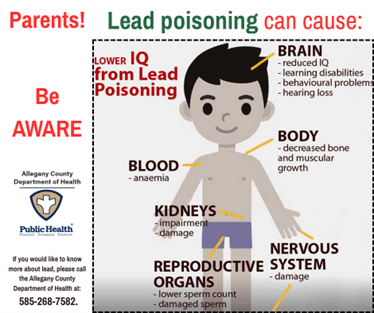
Lead can harm a young child’s growth, behavior, and ability to learn. Children under six years old are more likely to get lead poisoning than any other age group. Most often, children get lead poisoning from breathing in or swallowing dust from old lead paint that gets on floors and windowsills, hands and toys. Lead can also be passed from mother to baby during pregnancy.
What you should know about lead testing:
Children who may have been exposed to lead-based paint should have a blood lead test to see if they have elevated blood lead levels. All children one and two years of age, or who may have been exposed, should be tested. Other children under six years of age, or who may have been exposed, should be tested if their doctors think they are at risk.
For more information and methods on making your home lead-safe:
For lead testing call the Allegany County Department of Health at 585.268.9250, follow us on Facebook or visit Allegany County Department of Health.

Welcome to Plastic-Free July: A Time to Consider the Plastic Pollution Caused By Cigarette Butts and Tobacco Litter
While plastic bottles are often the first topic to come up when discussing plastic pollution, the most abundant type of plastic litter in the world is cigarette butts. They are the single largest form of litter by count, and despite their small size, they are found practically everywhere and are a significant form of plastic pollution.
“According to the World Health Organization (WHO), 4.5 trillion cigarette butts are littered every year, making them the most littered item on the planet,” says Jonathan Chaffee, Reality Check Youth Coordinator for Tobacco-Free Chautauqua, Cattaraugus, Allegany counties (TF-CCA). “That’s a problem because cigarette butt filters are made of a nonbiodegradable plastic called cellulose acetate. These microplastics are leeching toxins into our environment, including our soil and water, and can impact human health”

More on why cigarette butts are such a problem:
- Significant Source of Plastic Pollution: Cigarette filters are made of cellulose acetate, a type of plastic that doesn’t easily break down in the environment. When littered, these butts can persist for years and break down into microplastics, which contaminate soil and water.
- Most Littered Item: Cigarette butts are the most frequently littered item globally, with an estimated 4.5 trillion littered every year. This makes them a major contributor to plastic waste.
- Toxic Chemicals: Filters contain and absorb toxic chemicals from cigarette smoke, such as nicotine, tar, and heavy metals. These chemicals can leach into the environment and harm wildlife.
- Environmental and Health Risks: Microplastics from cigarette butts can enter the food chain and potentially accumulate in human tissues, raising concerns about potential health impacts like intestinal damage, infertility, and DNA mutations.
- Growing Problem: With the increasing popularity of e-cigarettes, another source of plastic waste is emerging, as their cartridges and pods are often single-use and challenging to dispose of properly.
How to take action this Plastic-Free July:
- Proper disposal: If you do smoke or vape, always dispose of cigarette butts, e-cigarette cartridges, and other waste in designated receptacles, not on the ground.
- Educate yourself and others: Learn about the environmental impact of tobacco products and share this knowledge with friends, family, and colleagues.
- Participate in cleanups: Volunteer for local cleanups to remove tobacco waste from parks and public spaces.
By addressing cigarette butt litter, we can support quit attempts made by people who smoke.
Reducing the environmental impact of tobacco waste can raise awareness and potentially encourage people who smoke or vape to consider quitting for their own health and the health of the environment. For additional help, the New York State Quitline is a free and confidential service for all New York State residents who wish to overcome dependence on commercial tobacco products, including e-cigarettes. Free offerings include individualized coaching and assistance with quit-planning from highly trained tobacco treatment specialists, text and online chat support and free shipping of stop-smoking medications such as nicotine patches, nicotine lozenges or nicotine gum for those 18 and older.
Residents of all ages may contact the Quitline for support and educational materials. In addition, the Quitline encourages teens and young adults (ages 13-24) to text “DROPTHEVAPE” to 88709 to join “This Is Quitting,” a free texting support program for help with quitting vaping. For more information, text QUITNOW to 333888 or call 1-866-NY-QUITS (1-866-697-8487) seven days a week, beginning at 9 a.m.
Fillmore Reality Check Youth Speak Out against Big Tobacco

Washington, DC – As Altria Group Inc. shareholders held their annual virtual meeting on May 15, approximately 50 youth advocates, including William Washburn and Grant Smolen, students at Fillmore Central School, held a first amendment assembly encouraging the public “Don’t Get Caught in Altria’s Web of Lies.” Several students logged into the Altria meeting through share ownership and submitted questions to the CEO about the lies and deceit, demanding truth and corporate responsibility. Watch the collaborative outside the Altria Lobbyist Office during the shareholders meeting at Mobilize Against Tobacco Lies on Facebook.
“I’m so proud of the local youth for exposing the misleading claims and deceitful marketing tactics used by Altria and other tobacco companies to attract young people,” said Jonathan Chaffee, Youth Coordinator at Tobacco-Free Chautauqua, Cattaraugus and Allegany (TF-CCA). “Now that they have shared their voice in Washington, D.C., they plan to continue to address the challenges of tobacco use in their communities back home, as well as mobilize their peers to take action.”
This year marks the tenth consecutive year that Mobilize Against Tobacco Lies (MATL), a tobacco prevention group made up of several active youth groups from around the nation including Reality Check from New York, Dover Youth to Youth from New Hampshire and Wisconsin FACT. Their efforts are supported by the Campaign for Tobacco Free Kids, Corporate Accountability, Truth Initiative and Counter Tools.
Big Tobacco has been lying about the deadly effects of cigarettes and manipulating the American people for decades, marketing to children and minority populations, and lying to the public about the dangers of smoking.
For more than two decades, Altria’s tobacco companies claim to have made significant investments to reduce youth use of tobacco yet during those years Altria has targeted young people with candy- and fruit-flavored products, making them more appealing and accessible.
Now, Altria has adopted a new product, ON! Nicotine pouches, as the latest marketing frontier for deceit.
ON! comes in seven different flavors and also contains the same addictive nicotine that trapped millions of youth in Altria’s scaly grip.
The lies don’t end there. Tobacco companies falsely denied that they can and do manipulate the level of nicotine in their products to create and sustain addiction and have been since at least 1954.
– Tobacco companies falsely denied, distorted and minimized the link between cigarette smoking and disease. – Tobacco companies concealed evidence and publicly denied that nicotine is addictive.
– Tobacco companies falsely marketed and promoted low tar and light cigarettes as less harmful than regular cigarettes to keep people smoking and sustain revenue
– Tobacco companies internally acknowledged that secondhand smoke is hazardous to non-smokers yet still gave false and misleading public statements denying this fact.
For more information follow Mobilize Against Tobacco Lies on Facebook, Instagram, and X.
Reality Check New York empowers youth to become leaders in their community in exposing what they see as the manipulative and deceptive marketing tactics of the tobacco industry. The organization’s members produce change in their communities through grassroots mobilization and education. Reality Check in this area is affiliated with Tobacco-Free Chautauqua, Cattaraugus and Allegany (TF-CCA). Tobacco-Free CCA is a program of Roswell Park Comprehensive Cancer Center.
For more information about Reality Check, visit realitycheckofny.org. The NYS Tobacco Control Program is made up of a network of statewide contractors who work on Advancing Tobacco-Free Communities, which includes Community Engagement and Reality Check, the Health Systems for a Tobacco-Free New York, the NYS Quitline and Surveillance and Research. Their efforts are leading the way toward a tobacco-free society. For more information, visit TobaccoFreeNYS.org and NYSmokeFree.com.
Allegany County Participates in DEA’s National Take Back Day

This past Saturday, April 26 from 10am to 2pm the Allegany Council on Alcoholism and Substance Abuse, Inc. (ACASA), the Allegany County Sheriff’s Office, Cuba and Wellsville Police and Volunteer Fire Departments, and Partners for Prevention in Allegany County (PPAC) held their biannual pill drop event in conjunction with the Drug Enforcement Administration’s (DEA) National Take Back Day. 19 cars brought over 73 pounds of unused or expired medications. The agencies use the pill drop events to educate the community on proper disposal of medications and needles and the availability of the fourteen Take It to the Box locations that are throughout Allegany County. The Take It to the Box locations offer community members the opportunity to dispose of medications year-round for free. Allegany County residents also can dispose of needles at any of the Allegany County Transfer Stations for free. Community members are asked to put needles into a puncture proof container like a laundry detergent bottle with the cap securely on. Allegany County is one of the very few counties in New York that offers this service for free.
Cuba and Wellsville were chosen to be the Spring Pill Drop locations to help educate about the Take It to the Box locations at Cuba Police Department, Cuba Pharmacy and Jones Memorial Hospital, Nicholson’s Pharmacy, and Wellsville Police Department. “The pill drop program provides a unique opportunity for community education in addition to giving citizens of Allegany County a method to safely dispose of unwanted pharmaceuticals,” states Undersheriff Walt Mackney. “This helps the environment while benefiting the “At Risk” population of the county,” states Undersheriff Mackney.


In the past people were advised to flush medications down the sink or toilet. Unfortunately, scientific studies have shown that flushed medications end up in our water supplies and fish, which led to the first medication take back programs. Pill Drop events have been held in Allegany County since 2008. It is now recommended that if someone has medications to dispose of them by dropping them off at a pill drop or collection site, such as the Take It to the Box locations in Allegany County. Agencies ask that community members keep the medications in their original packaging or a container, please do not put loose pills in the drop boxes. All medications are collected by the Allegany County Sheriff’s Office and taken to an incinerating location that makes the medications harmless to the environment and unusable by people.
“It is important for people to not hold onto medications that they are no longer using as studies have shown that youth and adults who abuse medications usually get them from friends or family members without their knowledge,” states PPAC Coalition Coordinator Jon Chaffee.
The partners would like to “Thank” the Cuba and Wellsville Police and Volunteer Fire Departments for providing space and support for the 2025 Spring Pill Drop.
The next pill drop event will be held in October of 2025. To find out where all the Take It to the Box locations are located throughout Allegany County visit www.ppaccentral.org/takeittothebox/. If you want to know more information about the National Take Back Day or find other locations you can visit https://www.dea.gov/takebackday. For questions people can also reach out to Coalition Coordinator Jonathan Chaffee by emailing ppac@alleganycouncil.org or calling (585) 593 – 1920.
Remember Prevention Works!
Fillmore Teen Participates in Earth Day Youth Summit Focused on Tobacco Litter
More than one billion people in 200 countries around the world will celebrate Earth Day on April 22. Reality Check teens started the celebration early by participating in a 3-day Earth Day Summit in Niagara Falls from April 13-15.

The Summit, a collaboration of leaders and youth from tobacco control and prevention organizations from across Western New York and the Finger Lakes, focused on the environmental impact of tobacco products and the tobacco industry’s manipulative and deceptive marketing tactics that attract and addict youth to nicotine.
The Summit was broken into two parts:
- Monday, April 14 – a day of education with speakers from the Public Health Law Center, Smoking and Health Action Coalition of Livingston and Monroe Counties, and Roswell Park Comprehensive Cancer Center, and sessions with youth leaders from all regions.
- Tuesday, April 15 – “A Day of Poster Making” where youth created posters promoting cleaner, greener tobacco-free environments for Earth Day to display in their communities. Messages encouraged audiences to “Make Every Day Earth Day,” by eliminating tobacco product use and picking up tobacco product litter polluting our environment.
“This summit provides a platform for young people to share their ideas, concerns, and solutions for environmental challenges caused by tobacco products and the tobacco industry,” said Jonathan Chaffee, Reality Check Coordinator, Tobacco-Free Chautauqua, Cattaraugus, Allegany (TF-CCA). “It also helps shape the next generation of environmental leaders who will not only become active participants in protecting our environment, but to become champions for policy changes and solutions in their communities.”
“Over 4 disposable vapes are thrown away each minutes in the United States,” said William Washburn, a student at Fillmore High School who attended the Youth Summit. “Lithium batteries that are found in vapes(e-cigarettes) are dangerous to our environment is so many ways.”

Niagara Falls lights up for Earth Day message
On Sunday, April 13, Niagara Falls was lit up in green to recognize Earth Day and the work the youth engaged in to preserve and protect the natural surroundings of this natural wonder.
Tobacco trash is an eyesore, as well as toxic litter.
All tobacco litter, including cigarette butts. is harmful to the environment because they contain non-biodegradable plastic filters and leach toxic chemicals into the soil and water, impacting wildlife and ecosystems. The USDA estimates that about 360 billion cigarettes are consumed in the U.S. each year. Close to two-thirds of those butts — 234 billion — are tossed as litter.
Cigarettes make up the largest category of tobacco products and are the most polluted product, but as e-cigarette sales continue to rise, their contribution to environment waste is growing.
Harmful Components:
· Cigarette butts contain filters made of non-biodegradable plastic (cellulose acetate) that can take years to decompose.
· These filters contain and trap toxic chemicals, including nicotine, pesticides, and heavy metals (like arsenic and lead) that can leach into the environment.
· These chemicals can contaminate soil, water, and harm wildlife.
Environmental Impacts:
· Water Pollution: Cigarette butts can be washed into drains and waterways, contaminating rivers, beaches, and oceans.
· Soil Contamination: The chemicals from cigarette butts can seep into the soil, potentially harming plants and organisms.
· Wildlife Harm: Animals can ingest cigarette butts, leading to poisoning or other health problems.
· Plastic Pollution: Cigarette butts are one of the most common types of litter, contributing to the overall problem of plastic pollution.
Beyond Cigarette Butts:
· The entire tobacco lifecycle, from cultivation of tobacco crops to disposal of cigarette butts, has significant environmental impacts.
· Tobacco farming can lead to deforestation, soil erosion, and water pollution.
· Tobacco product packaging also contributes to waste and litter.
By addressing cigarette butt litter, we can support smokers in their quit attempts.
Reducing the environmental impact of tobacco waste can raise awareness and potentially encourage smokers to consider quitting for their own health and the environment. For additional help, the New York State Quitline is a confidential service for all New York State residents who wish to overcome dependence on commercial tobacco products, including e-cigarettes. Free offerings include individualized coaching and assistance with quit-planning from highly trained tobacco treatment specialists, text and online chat support and free shipping of stop-smoking medications such as nicotine patches, nicotine lozenges or nicotine gum for those 18 and older.
Residents of all ages may contact the Quitline for support and educational materials. In addition, the Quitline encourages teens and young adults (ages 13-24) to text “DROPTHEVAPE” to 88709 to join “This Is Quitting,” a free texting support program for help with quitting vaping. For more information, text QUITNOW to 333888 or call 1-866-NY-QUITS (1-866-697-8487) seven days a week, beginning at 9 a.m.
Reality Check New York empowers youth to become leaders in their community in exposing what they see as the manipulative and deceptive marketing tactics of the tobacco industry. The organization’s members produce change in their communities through grassroots mobilization and education. Reality Check in this area is affiliated with Tobacco-Free Chautauqua, Cattaraugus and Allegany (TF-CCA), a program managed by Roswell Park Comprehensive Cancer Center
The New York State Department of Health, Bureau of Tobacco Control funds TF-CCA to increase support for New York State’s tobacco-free norm through youth action and community engagement. Efforts are evidence-based, policy-driven, and cost-effective approaches that decrease youth tobacco use, motivate adult smokers to quit, and eliminate exposure to secondhand smoke.
39th Alcohol Awareness Month
This April marks the 39th Annual Alcohol Awareness Month, sponsored by the National Council on Alcoholism and Drug Dependence (NCADD) since 1987. Alcohol-Free Weekend has traditionally been observed the first weekend in April, which was April 4-6. This is a time when parents and other adults are asked to abstain from drinking alcoholic beverages for 72 hours to show our youth that alcohol isn’t necessary to have a good time. If participants discover they cannot go without a drink during this period, they are urged to call the Allegany Council’s outpatient clinic at 585-593-6738 for signs and symptoms of a possible alcohol use disorder. (Anyone unaware of Alcohol-Free Weekend is encouraged to designate a weekend in April and apply the above suggestion.)
No other substance is more widely used and abused by America’s youth than alcohol, making alcoholism and alcohol-related problems the number one public health problem in the United States.
Many youth drink because of social pressure to “fit in” with their peers, while others may drink alone because they are bored or depressed. This puts them at greater risk for developing alcohol-related problems. Drinking is also associated with the leading causes of death among young people, including car crashes, murder, and suicide. Even though teenagers know that people should not drink and drive, almost a third of teens will accept rides from someone who has been drinking.
According to SAMHSA (Substance Abuse and Mental Health Services Administration), those who regularly engage in underage drinking are at a higher risk of using other drugs, engaging in risky behavior, doing poorly in school, and having serious health issues, such as depression and anxiety.
Research has shown that one of the biggest protective factors in reducing the likelihood that a child will develop a substance abuse problem is strong parental disapproval of alcohol and other drug use. Fostering healthy and responsible attitudes, talking openly and honestly, encouraging supportive relationships, and showing children that their opinions and decisions matter, are all ways to help prevent the use of alcohol and other drugs.
Since 2012, Allegany Council on Alcoholism and Substance Abuse, Inc., has partnered with local businesses for “Sticker Shock,” a campaign in which red and white stickers in the shape of a stop sign are placed on multipacks of beer and other alcoholic beverages. The message on the stickers states that “It is illegal for any person 21 or older to purchase or provide alcohol to minors. Fines are up to $1,000.00 or 1 year in jail.” Thanks to Cuba Giant and Cuba Police Department for supporting this campaign during Alcohol Awareness Month for the past several years.


According to a New York State survey, over half the students in grades 7-12 reported that their parents had never talked to them about the dangers of underage drinking. According to the 2023 Risk and Protective Factor Survey, administered to 6th, 8th, 10th, and 12th graders in Allegany County, 85% of students do NOT use alcohol! Let’s continue to help keep kids safe from alcohol and other substances by starting the conversation. For tips on how to do this, visit SAHMSA’s Talk. They Hear You and TalkItOver.org. You can also download the Talk. They Hear You mobile app for your phone.
For additional information and resources, visit ppaccentral.org. Let this be your call to action, and remember, PREVENTION WORKS!
Local Author Writing Books that Kids Find Fun
Hello there! My name is Noah Merritt, author of the children’s books ‘Gruntbrush Goes to Town’ and ‘Gruntbrush Finds a Friend’


Who is Gruntbrush? That’s hard to explain, but simply put, he’s our protagonist. Not a hero perse, but he is indeed the character we follow. A strange little green creature, covered in thick slimy ball of something. It might be fur, but honestly, I don’t know, and that is kind of the point. He’s a simple, silent creature that goes on misadventures and digs through trash.
I’m lucky to have someone who would put with such an idea, let alone bring it to reality. My mother, Kimberly Merritt, made all the excellent artwork for both books. I’m blessed to be related to such a talented illustrator! The whole idea started late one evening, my mother and joking back and forth while she worked. We got stuck on the two words making up our titular characters name for a time, until I had to borrow her stylus and quickly draw what the creature this name belonged to.
His design didn’t change much since that first sketch, only colors and details being filled in. A weird, slimy cloud shape, a round nose in the middle, and two scrawny legs with a pair of sneakers at the end. He was perfect.
So, I have our central character, but what to with him? I’d been wanting to write a book for some time, inspired by my mother’s own published works, but not I knew what to write about.
While we joked, inventing this horrible goopy character, she was working and I watched on. Working in her field, most children books are wrapped around some sort of message. Either lessons of ‘don’t do this, that, or the other thing’, or ‘look at how polite this kid is. Don’t you also want to be a polite child? Please?’
Not to say lessons or morals are bad. In my experience, however, those stories were not my favorite growing up. My favorites were Mercer Mayer’s “Little Critter’ series, and “How the Trollusk Got His Hat’. That’s what I loved the absolute most, stranger creatures, oddball situations, and often some level of manic chaos. I mean, truly, what was the lesson of Mo Willem’s ‘Don’t Let the Pigeon Drive the Bus’, other than not letting said pigeon drive the a forementioned bus?
That’s what I wanted to do with Gruntbrush, I wanted to make something fun, and funny, something that kids would ask to read again. Something that older kids and adults can enjoy as well, like the absurdity of “The Stinky Cheese Man and other Fairly Stupid Tales’ by Jon Scieszka and Lane Smith.
The core is, when Gruntbrush is around, things happen. They could be his fault, they also not be his fault, but in either situation, he doesn’t quite know what he’s doing ever. An innocent troublemaker, just as confused about this troublemaking as anyone else affected.
With the second book out now, we’re excited to make more books in the series! The trouble, as always, is getting myself around to it.
Diagnosed with Asperger’s when I was about 10, it helped explain a lot of my tendencies. It helped us find direction on how to deal with the less pleasant ones as well. But, all this time later, I still struggle here and there.
Doing things is hard. We are in a world that is fast and distracting, and I can distracted, fast. Planning the books is a struggle, writing the books is a struggle, making page descriptions is a struggle, even now, writing this post I found difficult to focus and do the work.
My brain doesn’t make it easy, pushing me towards work with a constant thrumming that I could be doing something important, and pulling me away with a desire to do anything else. I’ve tried calendars, reminders, everything, but it still is so hard to keep on track.
But hey, I’m two books in. That must count for something? Even more than that, I know what’s coming next, and I’m excited to make it. If you want to but the books in paperback or on Kindle, you can find the collection here, https://www.amazon.com/dp/B0F2B5JT6Q .
Keep an eye on that link, as we should be adding more books, year after year!
An Autism Advocate and a Spiritual Journey

So, to break the ice I’m going to say I’m a very language abled Autistic young adult male. I’ve struggled with it a lot, but I’ve also accomplished a lot.

My very first big accomplishment was receiving my high school diploma. It was a struggle, but I got it on time. My second big accomplishment was being baptized as a young adult. I currently have two volunteer positions. One is at the local Salvation Army and the other is at the local soup kitchen. I really enjoy working at them both and I think we help many people.
I’ve learned so much over the years. Some of the most remarkable things I’ve learned are basic poetry from classes I’ve taken. I’ve written many fun and interesting poems. I enjoy taking healthy eating and cooking classes. There is always something new to try or to learn. I’ve taken many art classes. One that stands out to me is decoupage.
I find many forms of coping skills I like and some that I don’t like so much. One I find very helpful for sleeping and just day to day is guided meditation. I find prayer to God or anyone who will listen very helpful to help me when there is no one else to listen. Music is probably my best coping skill. I’m constantly listening to music.
I have some challenges including, when I’m excited or agitated, I’ve been known to have a hard time waiting. I overreact over such simple things. In my childhood I had challenges with having a temper. In my teens I started to develop a mental illness. Many things from my childhood still affect me today.
I enjoy a lot of things. My hobbies come and go but I’m always willing to try new things and find new ways to cope. One thing that I enjoy and is a great coping skill for me is playing video games. This coping skill has stuck with me through the years. When I was in middle school, I wanted to become a programmer but not so much now. I enjoy volunteering and helping people. I love listening to KPOP and watching KDramas. I go for a walk almost every day. This is another coping skill that has stuck with me and helps me a lot.
I have some positive aspirations. I’m trying to lose some weight. I’ve lost some but I’m still working on it. I want to find as many ways as I can to help as many people as possible. One day I would love to meet someone special who shares some of my values.
I have been in the process of starting a Facebook page to promote Autism Awareness as an Autism Advocate and talk about what I do to advocate. I will also talk about coping strategies that I’ve learned. And I’m going to talk about just things I enjoy that you might find helpful. I was able to launch the Facebook page on April 7, 2025. I’m very proud of this and hope it helps so many people. If you’d like to follow me, here is the link: Facebook
Thank you for taking the time to read about some of my journey about living with autism.
By Michael Evans.
Preventing Youth Gambling: Raising Awareness During Problem Gambling Awareness Month
March is Problem Gambling Awareness Month, an important time to highlight the risks associated with gambling, especially among young people. While gambling may seem like harmless entertainment, it can lead to serious financial, emotional, and psychological consequences, particularly for adolescents who may be more vulnerable to its addictive nature.
Understanding the Risks for Youth
Youth gambling often starts with seemingly innocent activities, such as playing card games for money, betting on sports, or using online gambling apps. However, research suggests that early exposure to gambling increases the likelihood of developing problem gambling behaviors later in life. The adolescent brain is still developing, making young individuals more susceptible to risk-taking and impulsive decision-making.
Signs of Problem Gambling in Youth
Recognizing the warning signs of gambling addiction in young people is crucial. Some indicators include:
- Increased interest in gambling activities, including online betting and video games with gambling elements.
- Borrowing or stealing money to fund gambling habits.
- Neglecting school, sports, or social activities in favor of gambling.
- Mood swings, anxiety, or depression linked to gambling outcomes.
- Lying about gambling habits to friends or family.
Are You or Someone You Know at Risk?
Take our free, anonymous self-assessment tool to see if your gambling behavior could be putting you at risk. https://forms.ny.gov/s3/Gambling-Behaviors-Survey
How Parents, Educators and Community Leaders Can Help
Parents, educators, and community leaders play a vital role in preventing youth gambling. Here are some proactive steps to take:
- Educate and Communicate: Have open conversations about the risks of gambling, emphasizing the potential for addiction and financial loss.
- Monitor Online Activity: Many gambling sites and apps target young users. Use parental controls and discuss responsible online behaviors.
- Encourage Healthy Alternatives: Promote hobbies and activities that provide excitement and engagement without the risks of gambling, such as sports, arts, and volunteering.
- Set a Good Example: Avoid modeling gambling behavior as a harmless activity. Be mindful of how you discuss gambling in everyday conversations.
- Know the Resources: If a young person is showing signs of problem gambling, don’t hesitate to reach out for help. For 24/7 support call the NYS OASAS HOPEline at 1-877-846-7369 or text 467369 or reach out to your local Problem Gambling Resource Center (PGRC) by visiting www.NYProblemGamblingHELP.org.
Taking Action During Problem Gambling Awareness Month
This month serves as an opportunity for schools, parents, and communities to spread awareness about youth gambling. Hosting educational workshops, sharing informational resources, and advocating for responsible gambling policies can make a difference.
Preventing youth gambling starts with awareness and early intervention. By working together, we can protect young individuals from the harmful effects of gambling and encourage healthier, more constructive activities.
Let’s take action to Empower Every Child To Be Gambling Free!
For more information, visit www.NYProblemGambling.org or reach out to your local Problem Gambling Resource Center at www.NYProblemGamblingHELP.org.
World Teen Mental Health Awareness Day

World Teen Mental Wellness Day is annually celebrated on March 2nd. The day aims to raise awareness around mental health struggles that a teenager may face. For some background about this day, Hollister Co. which is a clothing brand, founded the day to be designated to raise awareness surrounding mental health in teens. The brand created this day to go along with their Hollister Confidence Project which overall aims to seek awareness and help teenagers in every way possible with their mental health.
According to the World Health Organization as of October 2024, “Globally, one in seven 10-19-year-olds experiences a mental disorder, accounting for 15% of the global burden of disease in this age group”. In fact, the leading mental illnesses in teenagers globally are depression, anxiety, and behavioral disorders.

There are some ways that one can identify a teen struggling with mental health issues. Visible symptoms could include irritableness, restlessness, changes in sleep or behavior and outbursts. Being able to identify symptoms that could be caused by mental health is crucial to supporting struggling teens. Adults like educators, parents, guardians, or community members are especially people who should be educated on mental illness and be able to offer information and support to adolescents.
Mental wellness is important for various reasons. Some reasons include learning, teaching and inhabiting healthy habits, such as healthy sleep, healthy eating, healthy exercise, and learning healthy coping mechanisms. Educating teens and working with teens on personal development as well as self worth is crucial to mental wellness. Teenagers need support as well as education on mental wellness to be the best version of themselves, and develop healthy habits and coping mechanisms to help with their mental health.
For more information regarding awareness surrounding teen mental health, check out these additional resources:
World Teen Mental Wellness Day: Supporting the Next Generation
Teen Mental Health Facts and Statistics 2024
Mental Health and Nicotine Resources
Blog written by Kayla Todd, Intern at the Allegany County Department of Social Services.
Free Life Saving Resources Offered to Community

Wellsville –Each year, more than 112,000 Americans die from overdose. A University of Kentucky College of Social Work surveyed 2,072 adults, in which almost half stated they knew someone who died of an overdose. Each one of these deaths leaves behind, families, friends, and other people to grieve and make sense of the loss. In Allegany County there is another resource to help lower deaths from overdose. A new vending machine in front of Jones Memorial Hospital, 191 North Main Street offers naloxone better known as Narcan, fentanyl and xylazine test strips for free to community members. Last year, Partners for Prevention in Allegany County (PPAC) Coalition Coordinator Jon Chaffee attended a meeting in Chautauqua County, when he found out that three vending machines had been placed around Jamestown by the Medication for Addiction Treatment & Electronic Referrals (MATTERS) organization. MATTERS was actively looking for more locations in western New York. Mr. Chaffee and ACASA’s Director of Prevention Kim Strauser started the process of finding a partner that would house the vending machine. The most logical location in Allegany County was Jones Memorial Hospital as they are already a Take It to the Box location and community members think of a hospital as a place to get help. Conversations took place between JMH leaders and ACASA in the months that followed that led to a partnership to place the vending machine in front of JMH by the Emergency Room parking lot making it visible and easily accessible to community members. Dr. Julie Williams, Emergency Department physician at Jones Memorial stated, “People across our nation, daily see the effects of drug addiction and opioid overdose leading to tragic loss in their communities. By providing drug testing supplies and naloxone, our community can try to help prevent opioid overdose and death, giving individuals more time to seek treatment.”
“This vending machine is easy to use and a great resource for those in our community who have been impacted by an opioid use disorder,” states ACASA’s Executive Director Chad Sebastian. “It can help save lives!” The directions on how to use the vending machine can be found below.

Community education about the machine will be ongoing by sharing flyers and social media posts with coalition partners to reach the most people. Information will also be shared at community events throughout the year. “This machine gives our community access to life saving materials, and with that, it gives us all a second chance,” states ACASA’s Certified Peer Recovery Advocate Cassi Stives. “With this machine we are openly standing beside each other in this struggle and stating, today might not be ok but together someday just might be.”
For more information on the vending machine visit https://ppaccentral.org/vendingmachine/ . Community members who are looking for help with substance use and treatment options can contact ACASA’s Outpatient Clinic at 585-593-6738. Community members can also follow PPAC on Facebook, Instagram, and X as ppaccentral to get more information on community resources, events, and activities.
Earlier this month a similar vending machine was made available at Addison Fire Department, 1 Tuscarora Street. To find vending machines in other parts of western New York visit https://mattersnetwork.org/supplies/#vendingmachines .
National Mentoring Month

National Mentoring Month is a campaign dedicated to recognizing mentoring and the impact it can have on people’s lives. Whether it’s developing employees, supporting young people, or inspiring and preparing college students, mentoring enables people to unleash their full potential by learning from others. Established in 2002 and recognized yearly by the US president and administration, National Mentoring Month is a time to celebrate the power of mentoring and encourage others to explore how mentoring programs can enable organization to create more productive, engaged and satisfied people. Allegany County Employment & Training Center offers a Work Experience Program to young people ages 16-24. It is a paid temporary work experience that allows you the opportunity to receive mentoring, learn interview skills, and network with local businesses. It is a great way to grow your resume as well! If you are looking for ways to build your resume but do not have the time to commit to a steady job we can help link you with a volunteer opportunity within your community! Is a great way to learn jobs skills, gain work references and give back to the community! Please contact Susan Day at 585-268-9445 for more information!
January is National Birth Defects Awareness Month
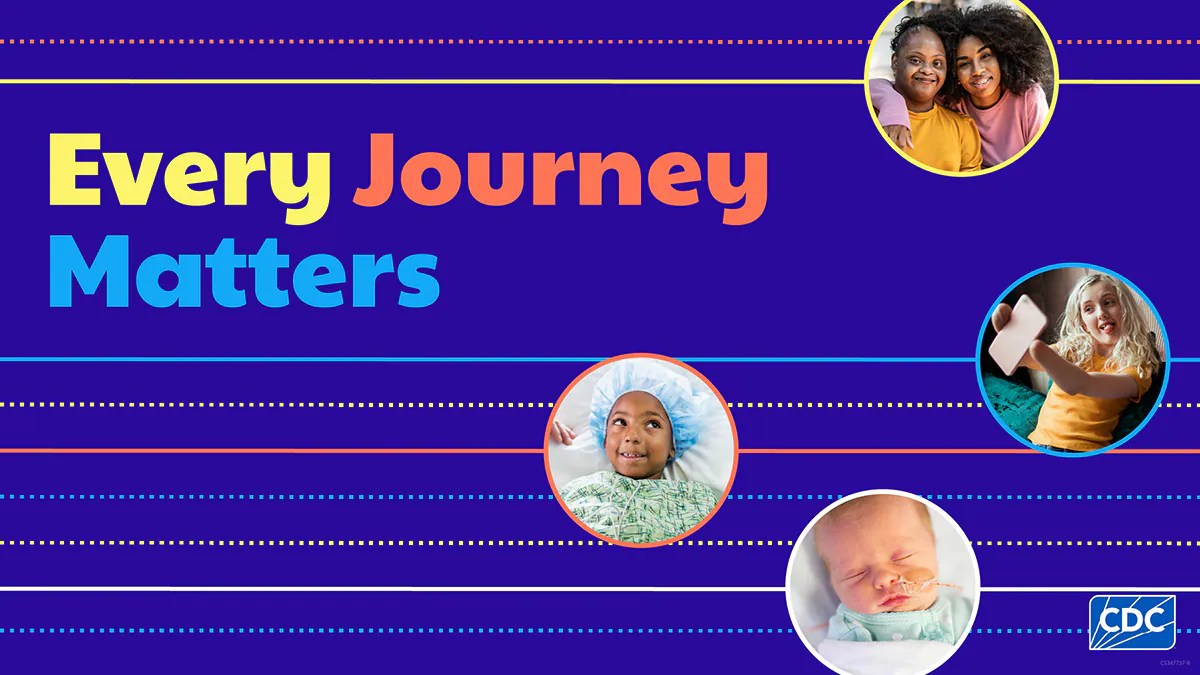
January is National Birth Defects Awareness Month, with “Every Journey Matters” as this year’s theme. According to information from the New York State Office of Cannabis Management website at cannabis.ny.gov, one critical area to consider is that of avoiding harmful substances during pregnancy, such as cannabis. Based on studies of both human and animal subjects, leading medical organizations such as the American College of Obstetricians and Gynecologists and the American Academy of Pediatrics recommend that anyone who is contemplating pregnancy, is pregnant, or is breastfeeding should stop using cannabis. When mommy uses any substance, so does baby. Chemicals in cannabis pass through the mother and can harm a baby’s development. Included is cannabis smoke, which has many of the same chemicals as tobacco smoke, which are known to be harmful to both mother and baby.
Cannabis purchased from the illicit market, not from a licensed dispensary, can pose additional risks as it is not tested or regulated. These products can potentially be contaminated with mold, fungus, pesticides, or other chemicals that can be dangerous if consumed. Potency levels may also not be labeled or labeled accurately.
Expectant mothers who take medical cannabis are strongly encouraged to talk with their health care provider about the possible risks/benefits during pregnancy, and ask about other medications or treatments which may have more pregnancy-specific safety data. This is also suggested for women experiencing morning sickness, as there have been no clinical trials or studies to prove that cannabis is an effective way to treat morning sickness.
Benefits of breastfeeding are vast for both mother and baby. For more information on cannabis and the impact on breastfeeding, view the Breastfeeding Ground Rounds entitled Marijuana Use During Pregnancy and Breastfeeding, hosted by the SUNY University at Albany School of Public Health.
Let’s support our future generation of babies by encouraging potential mothers to choose a healthy lifestyle free of substances! Be an active participant in this important initiative by visiting the National Birth Defects Prevention Network (NBDPN) website for resources. For assistance with a substance use disorder, call the Allegany Council on Alcoholism and Substance Abuse’s Clinic at 585-593-6738.
Remember, Prevention Works!
ACASA’s Executive Director Retires After 22 years of Service.
William Penman, Executive Director of ACASA retires after serving the Allegany County communities for 22 years. While at ACASA Mr. Penman expanded the agency, overseeing the building of the new Trapping Brook House Residential facility, building the new ACASA Clinic with Medically Assisted Treatment all while improving the entire continuum of services in the delivery of Prevention Education and Allegany County Jail services. Mr. Penman and the ACASA board appointed a new Executive Director, Mr. Chad Sebastian, MS, CASAC-M, G.
Mr. Sebastian has been with the Allegany Council for over 23 years. He began his career with the Council in 2001 as a Prevention Educator, working with students and parents in various programs. He then transitioned into the role of Counselor at the Clinic running groups and meeting with individuals on their journey to recovery. During this time, Mr. Sebastian also instructed the Impaired Driver Program, quickly becoming the Director of the program. When the need arose, he became the Residential Director as well as Clinic Director for many years. Recently, Mr. Sebastian was named Deputy Director prior to his appointment as the Executive Director. Mr. Sebastian will strive to continue to increase awareness of substance use prevention and treatment including gambling disorders. ACASA continues to promote the belief that individuals with a substance use disorder can and do recover.
Great American Smokeout Meets Earth Day in Fillmore
Students from Fillmore’s Reality Check program marked 2024’s Great American Smokeout (GASO) by painting windows of the local Shop and Save with the message: “SAVE OUR EARTH BY QUITTING.”


“We all know that tobacco products kill people,” says Jonathan Chaffee, Youth Outreach Coordinator at Tobacco-Free Chautauqua, Cattaraugus and Allegany Counties (TF-CCA). “This year, my youth champions want to get people in their school and community to consider how tobacco also kills Planet Earth and then do something about it by quitting those products.”
4.5 trillion cigarette butts are littered into the environment every year, making them the #1 form of litter in the world. According to World Health Organization, that’s enough to fill 30 cargo ships, or 60,000 shipping containers. These butts are non-biodegradable and leach 7.000 chemicals into our soil and waterways every day. Studies have shown that one cigarette butt can pollute 132 gallons of water, making it toxic to fish and other aquatic life.
Tobacco industry and deforestation, global footprint
In addition to costing people and animal their lives, the process used to produce tobacco products also kills our Earth’s natural resources. Every year, the tobacco industry uses more than 600 million trees and 772 miles of land. According to a 2022 World Health Organization report, production and consumption of tobacco releases a carbon dioxide level equivalent to driving 17 million gas powered cars each year.
As bad as tobacco products are for the environment, electronic cigarettes, or vapes, present an even more serious threat. Primarily composed of plastics and electronics, they not only use more energy and resources to manufacture, but they leach far more dangerous chemicals than the average cigarette butt. Both the batteries and e-cigarette devices contain hazardous substances such as lead, mercury, hard plastic and residual e-liquids, which won’t degrade for hundreds to thousands of years.
Help with quitting or vaping
New Yorkers who want help to quit smoking or vaping, including counseling and medication, should talk to a healthcare professional and also contact the New York State Quitline. The Quitline offers free and confidential service seven days a week by calling 1-866-NY-QUITS (1-866-697-8487), visiting nysmokefree.com or texting either QUITNOW (English) or DÉJELO YA NY (Spanish) to 333888. Live quit coaches in English and Spanish (and additional translation by request) are available every day, starting at 9 AM, to help participants develop a quit-plan and discuss triggers. Nearly all people ages 18 and older can receive a free starter supply of nicotine replacement therapy medications via mail, including nicotine patches, gum and/or lozenges. Additional self-help materials for download or mail delivery, online requests for medications or call-scheduling, and an online chat are just some of the many tools available at nysmokefree.com. Allegany County residents can also call the Allegany Council on Alcoholism and Substance Abuse, Inc. (ACASA) at (585) 593 – 1920 to speak with Community Educator Ann Weaver on free local cessation services.
Help with vaping: DropTheVape
DropTheVape is a free text-based youth and young adult vaping cessation service for smokers aged 13-24 provided by the New York State Department of Health (NYSDOH). The service is evidence-based and was developed by the Truth Initiative® with input from young people who wanted to quit vaping.
This program makes it easier to stop. Any New York State resident in the targeted age bracket can text “DropTheVape” to 88709. Enrollees receive interactive daily text messages tailored to their sign-up date or their target quit date. Messages include motivation, tips, coping strategies, and exercise to help build their belief that they CAN quit. For parents studies have shown that “You” are still the number one influence on their children, which means it is important to discuss topics, such as vaping. The American Lung Association (ALA) has a Vaping Conversation Guide to help parents have a proper conversation with their children. More information on e-cigarettes and vaping can be found at TalkItOver.org.
About The Great American Smokeout
For almost 50 years, the American Cancer Society has hosted the Great American Smokeout on the third Thursday of November. The Great American Smokeout is an opportunity for people who smoke to commit to healthy, smoke-free lives – not just for a day, but year-round.
The Great American Smokeout provides an opportunity for individuals, community groups, businesses, health care providers, and others to encourage people to use the date to make a plan to quit, or plan in advance and initiate a smoking cessation plan on the day of the event.
The Great American Smokeout event challenges people to stop smoking and helps people learn about the many tools they can use to help them quit and stay quit.
Fillmore’s Reality Check would like to say “Thank You” to Shop’n Save and owner Randy Ellis for helping them educate their community about the dangers of tobacco product use and its litter.
Halloween and Youth Health News: Candy flavored cigars are Big Tobacco’s Trick, NOT a Treat

Berry Fusion, Maui Pineapple, and Cherry Dynamite. These are the candy flavors many young ghouls and ghosts will get while trick-or-treating this Halloween. They are also the same flavors our teens see in flavored little cigars and cigarillos marketed alongside candy at convenience stores and gas stations in their communities.
“They may sound like Halloween treats, but in reality they are Big Tobacco’s tricks for getting kids hooked on their products,” says Jonathan Chaffee, Reality Check Youth Coordinator for Tobacco-Free Chautauqua, Cattaraugus and Allegany Counties (TF-CCA).
Cigarillos, the more popular product, are short and narrow cigars that usually do not include a filter. Little cigars are the same size and shape as cigarettes, often include a filter, and are packaged in a similar way. Both are taxed differently than cigarettes.
Why flavored cigars are a concern.
Chaffee and other public health leaders across the CCA region, New York State and the country are particularly concerned with the newest generation of cigars, including brand names like Swisher Sweets, Dutch Masters, Phillies and Black & Milds. A Swisher Sweet cigarillo contains about 10.8 milligrams of nicotine per gram of tobacco. That’s more than a cigarette, which typically average 8 milligrams, and fuels youth addiction.
“Our biggest concern is that the flavors mask the harshness of tobacco, making these products easier to use and more appealing to young people,” says Chaffee. “Flavors in cigars means more youth will start smoking them, progress to become regular users and potentially become addicted.”
According to 2023 study from the Truth Initiative, flavors are a major reason why young people use cigars, with 74% of adolescents who used cigars in the past month indicating that they used them “because they come in flavors I like.”
What they don’t know is that these cigars contain the same addictive, toxic and carcinogenic compounds found in cigarettes. Similar to e-cigarettes, cigars are sometimes marketed as being a healthier alternative to cigarettes but that is untrue. Health risks of flavored cigar smoking include gum disease, cancers of the larynx, esophagus and lungs, with daily cigar smokers having an increased risk of heart disease and chronic obstructive pulmonary disease.
Co-use of cigarillos and marijuana.
Studies show that many young people use cigarillos as “blunts,” a term for a cigar emptied of its tobacco and replaced with marijuana. Brands like Backwoods (Imperial Tobacco Brands LLC) even have product features, like honey, Russian creme and dark stout flavors, that enhance the blunt smoking experience as featured in the brand’s Instagram posts. Researchers believe this co-use behavior may play a role in promoting increased tobacco use and nicotine dependence.
Marketing to youth.
As new flavored cigars flood the marketplace, tobacco companies market them in bright, colorful packaging mimicking candy which threatens our teens, as well as New York State’s efforts to reduce tobacco use. According to a report from the Campaign for Tobacco-Free Kids, companies have also tricked us and our children by avoiding regulations, including new product marketing restrictions and tobacco taxes, contributing to the ongoing problem of youth use.
Cigar manufacturers use many strategies to attract young people including emphasizing flavors in advertisements, paying to place them on store countertops, engaging in fun and engaging social media trends, keeping prices low and introducing new and limited-edition flavors such as “harvest blend,” “summer fusion,” “sticky sweets” and “spiced rum.”
Good news: FDA proposes rule prohibiting flavored cigars.
In April 2022, the Food and Drug Administration (FDA) announced a proposed rule to prohibit all characterizing flavors in cigars based on clear evidence that all cigars increase health risks, but particularly, flavors. The rule noted that flavors increase the appeal of cigars and make them easier to use, especially for youth, and that removing flavored cigars from the market would reduce the number of youth who smoke cigars.
Why the FDA must act NOW.
- Sales of all cigars more than doubled between 2000 and 2021, largely driven by increased sales of smaller types of cigars, many of which are flavored.
- More than a half million youth in the U.S. use flavored cigars, and in recent years more young people tried a cigar every day than tried a cigarette.
- The hundreds of flavored cigars make up about half of the cigar market and can be as cheap as 3 for 99 cents.
- In recent years, cigar makers have also introduced limited edition products described as “new” in flavors likely to be extremely appealing to youth.
Preventing tobacco use among youth is a priority because tobacco is the leading cause of preventable death in the world. This Halloween, let’s hope the FDA will give us a real treat and ban flavored cigars before they hook a new generation of smokers.
Reality Check is a teen-led, adult-run program that seeks to prevent and decrease tobacco use among young people throughout New York State.
For more information about Reality Check, visit realitycheckofny.org.
Allegany County’s Fall Pill Drop held in Bolivar and Fillmore
This past Saturday, October 26 the Allegany Council on Alcoholism and Substance Abuse, Inc. (ACASA), the Allegany County Sheriff’s Office, the Bolivar Police Department, Bolivar and Fillmore Volunteer Fire Departments, and Partners for Prevention in Allegany County (PPAC) held their biannual pill drop event in conjunction with the Drug Enforcement Administration’s (DEA) National Take Back Day. Community members brought over 35.2 pounds of unwanted or unused medications they wanted to dispose of properly. The agencies use the pill drops to educate the community on the fourteen Take It to the Box locations that are throughout Allegany County, that can be used to dispose of medications year-round for free. The partners also educated about the availability to dispose of needles at any of the Allegany County transfer stations for free. Community members are asked to put needles into a puncture proof container like a laundry detergent bottle with the cap securely on. Allegany County is one of the very few counties in New York that offers this service for free.
Bolivar and Fillmore were chosen to be the Fall pill drop locations to help educate about the Take It to the Box location at Jones Memorial Medical Practice, 120 First Street in Bolivar and the Fillmore Pharmacy, 10560 Route 19 in Fillmore. “The pill drop program provides a unique opportunity for community education in addition to giving citizens of Allegany County a method to safely dispose of unwanted pharmaceuticals,” states Undersheriff Walt Mackney. “This helps the environment while benefiting the “At Risk” population of the county,” states Undersheriff Mackney.


10 cars came to the two locations to drop off medications. Even though the pill drop events do not collect as much medication as in the past the Take It to the Box locations collected over 1,600 pounds in 2023. Each person who dropped medications off received a Take It to the Box magnet. All medications that are collected are taken to an incinerating location by the Sheriff’s Office to make the medications harmless to the environment and useless to people.
“It is important for people to not hold onto medications that they are no longer using as studies have shown that youth and adults who abuse medications usually get them from friends or family members without their knowledge,” states PPAC Coalition Coordinator Jon Chaffee.
The partners would like to “Thank” the Bolivar and Fillmore Volunteer Fire Departments for providing space for the Fall Pill Drop.
The next pill drop event will be held in April of 2025. To find out where all the Take It to the Box locations are located throughout Allegany County visit www.ppaccentral.org/takeittothebox/. If you want to know more information about the National Take Back Day or find other locations you can visit https://www.dea.gov/takebackday. For questions people can also reach out to Coalition Coordinator Jonathan Chaffee by emailing ppac@alleganycouncil.org or calling (585) 593 – 1920.
Remember Prevention Works!
Back to School: What Schools and Parents Should Know About Vaping and Nicotine Pouches

ith students back in school this month, public health leaders from Tobacco-Free CCA say it’s important to be aware of the risks of vaping, as well as a new nicotine product called nicotine pouches. Many users say they’re a safer way to use nicotine, but that is not the case.
“We’ve been working with schools and communities the last several years to stop youth vaping, but there’s another addictive nicotine product gaining popularity among teens: oral nicotine pouches,” says Jonathan Chaffee, Reality Check Youth Outreach Coordinator for Tobacco-Free CCA.
According to Chaffee, the pouches are smokeless, and teens tuck them into their upper lip called an “Upper Decky” making them harder to detect. They are sold in small containers under different brand names, including Zyn, Velo, Rogue and On!, and come in a variety of youth-friendly flavors including mint, fruit, menthol, coffee, and cinnamon.
How much nicotine is in oral nicotine pouches?
Nicotine concentrations differ across oral nicotine brands. In the United States.
- Zyn (the most popular brand) is sold in 3 and 6 mg.
- Velo is sold in 2,4 and 7mg.
- On! is sold in 1.5, 2, 3.5, 4 and 8mg.
- On! Plus offers nicotine strengths of 6, 9 and 12mg.
- Youth can get nicotine pouches online that contain up to 17mg per pouch.
2024 Findings on Youth Tobacco Use: Youth vaping less
In September 2024, the Federal Drug Administration (FDA) and Centers for Disease Control and Prevention (CDC) released data from the 2024 National Youth Tobacco Survey (NYTS) on e-cigarette and nicotine pouch use among U.S. youth: “Notes from the Field: E-cigarette and Nicotine Pouch Use Among Middle and High School Students—United States, 2024.”
Findings showed that there was a significant drop in the number of U.S. middle and high school students who reported current (past 30 days) e-cigarette use – a decrease from 2.13 million (7.7%) youth in 2023 to 1.63 million (5.9%) youth in 2024.
Evidence shows that as e-cigarette products have faced federal flavor restrictions recently, high school students are vaping less. But experts at Tobacco-Free CCA are concerned that as kids move away from vapes, they may move toward nicotine pouches because they have appealing flavors.
“My tobacco control colleagues across New York State and I have seen different kinds of tobacco and nicotine products rise in popularity all the time, but we’ve learned over the years what works,” says Chaffee. “We’re very concerned that the industry continues to find new products, new ways to addict our kids, and we’ll keep focusing on Zyn as well as youth vaping
More on nicotine pouches
- They are pillow-like pouches that deliver nicotine directly into the bloodstream through the mouth’s membrane lining. Created in 2014 by the company Swedish Match.
- In addition to being perceived as a safer, and therefore, “healthier” addiction than vaping, nicotine pouches directly appeal to children and young people for a few other reasons.
- Like JUUL pods, nicotine pouches are sold in a variety of “fun” flavors such as peppermint, cinnamon, coffee, and citrus-which makes them pleasant to use.
- Social media sites like TikTok feature “Zynfluencers,” whose content mainly consists of themselves using and promoting the pouches. This is concerning, especially considering 47.4% of all TikTok users in 2024 are under 30 years old.
Harms of Nicotine Pouches and Vapes
- Nicotine can harm brain development, which continues until about age 25.
- Youth can start showing signs of nicotine addiction quickly, sometimes before the start of regular or daily use.
- Using nicotine during adolescence can harm the parts of the brain that control attention, learning, mood, and impulse control.
- Adolescents who use nicotine may be at increased risk for future addiction to other drugs.
Help for quitting: DropTheVape and Vaping Conversation Guide from the American Lung Association (ALA)
DropTheVape is a free text-based youth and young adult vaping cessation service for smokers aged 13-24 provided by the New York State Department of Health (NYSDOH). The service is evidence-based and was developed by the Truth Initiative® with input from young people who wanted to quit vaping.
This program makes it easier to stop. Any New York State resident in the targeted age bracket can text “DropTheVape” to 88709. Enrollees receive interactive daily text messages tailored to their sign-up date or their target quit date. Messages include motivation, tips, coping strategies, and exercise to help build their belief that they CAN quit.
The American Lung Association (ALA) also has resources for talking to kids about vaping, including a conversation guide and a campaign.
Be a Family STAR!
Monday, September 23rd, marked the 24th anniversary of Family Day: Making Every Day Special, founded in 2001 by the Center on Addiction. Research by the National Center on Addiction and Substance Abuse (CASA) at Columbia University has consistently found that the more often children eat dinner with their families, the less likely they are to smoke, drink, or use other drugs. Conversations during mealtime are a way for parents to stay connected and involved with their children. Including youth in meal prep and clean-up instills a sense of responsibility and they are likely to feel like part of a team. In addition to family bonding, kids who eat with their families are more likely to learn healthy eating habits, eat smaller portions, do better in school, and are less likely to stress about food. Depending on weather, a picnic with board games would be a fun way to enjoy nature and appreciate each other’s company.
Televisions, cell phones, and other mobile devices should be turned off during dinner so each person can share the day’s events without distractions. (The exception would be if a family member is separated by distance and phone/virtual technology is the primary means of communication.) Trips in the vehicle can also be used as teachable, quality bonding time, as parents have a “captive” audience. The earlier parents start connecting with their kids, the better. If kids aren’t used to talking to their parents about what’s going on in their lives when they are eight or ten, it will be more difficult to get them talking when they are older.
Teens are at greater risk of substance abuse as they move from middle school to high school, so, parents need to be especially attentive during this transition period.
If parents are unsure of how to start an age-appropriate conversation, they can access tips in the Parent Toolkit on the CASA Family Day website. Other valuable information can also be found in the toolkit, such as “connecting” with kids, preventing substance use, background facts on substance use, family activities and worksheets, and tips for talking to kids about substance use. Parents can also sign up on the website to receive a parent newsletter. Family photos and/or videos can be shared on social media using #MyFamilySelfie.
Be creative! Ask family members what healthy, positive activity they would like to try as a family unit. Even though the 23rd has passed, pick a date in the near future and stick to it!
Celebrate with parents nationwide and pledge to commit to:
- Spend time with your kids by playing games, taking a walk, or enjoying another family activity.
- Talk to them about their friends, interests, and the dangers of using substances.
- Answer their questions and listen to what they say.
- Recognize that parents have the power to keep their kids substance-free! A warm, supportive relationship between parents and their children is linked to better judgement, increased self-control, and resilience, which are strengths that help reduce the risk of future drug use.
Remember, parental engagement does make a difference, and prevention works!
35th National Recovery Month

This September marks the 35th National Recovery Month, an observance held every September since 1989 to promote and support new evidence-based treatment and recovery practices, the emergence of a strong and proud recovery community, and the dedication of service providers and community members across the nation who make recovery in all its forms possible. This year’s theme of celebration is “The Art of Recovery.”
In May of this year, the Office of Recovery launched the “Gallery of Hope: Artistic Expressions of Recovery Across the Nation.” This digital platform features over 280 selected artworks and is open for viewing until September 30. Through inviting visual art submissions from people with lived experience and their families, creative expression as a means of connection, healing, and empowerment is meant to break down societal stigmas and foster greater understanding and support. Categories for viewing pleasure include photography, painting(abstract, landscape and plants, people and animals, and word), or mixed media, and can be found at 2024 Gallery of Hope.
As part of Recovery Month, #AddictionProfessionalsDay is celebrated on September 20, marking the 32nd Anniversary since National Addiction Professionals Day was established by NAADAC (National Association for Alcoholism and Drug Abuse Counselors) in 1992 to commemorate the dedicated work that these vital players of the health system and continuum of care do on a daily basis. Visit NAADAC for more information.
According to information published by SAMHSA (Substance Abuse and Mental Health Services Administration), peer support workers are those who have been successful in the recovery process and are able to help others who are experiencing similar situations. Through shared understanding, respect, and mutual empowerment, peer support workers help people become and stay engaged in the recovery process and reduce the likelihood of relapse. Peer support services can effectively extend the reach of treatment beyond the clinical setting into the daily environment of those seeking a successful, sustained recovery process.
Peer support workers engage in a wide range of activities that include advocating for people in recovery; sharing resources and building skills; building community and relationships; leading recovery groups; and mentoring and setting goals. Peer support roles may also extend to providing services and/or training; supervising other peer workers; developing resources; administering programs or agencies; and educating the public and policymakers.
Peer support workers may need to develop additional core competencies to provide services to specific groups who also share common experiences, such as family members. The shared experience of being in recovery from a mental health and/or substance use condition or being a family member is the foundation on which the peer recovery support relationship is built.
Previously, Recovery Month was sponsored by SAMHSA. In 2020, the federal government “turned the reins over” to the recovery community to sponsor and manage this yearly observance. Although SAMHSA remains an active Recovery Month Planning Partner and supporter, Faces & Voices of Recovery, a long-standing Recovery Month Planning Partner, now hosts the Recovery Month website, managing the social media outreach, developing and disseminating promotional materials, and is the central location for all Recovery Month events. More information can be found at Faces & Voices of Recovery.
Local counseling is available at the Allegany Council on Alcoholism and Substance Abuse, Inc., at 585-593-6738. Seven in ten adults who have had a mental health or substance use condition are in recovery. Let’s support those in need of services and remember that recovery is real and possible!
Resources
National Recovery Month Events
Free Webinars
September 16, 1pm-2pm EST: Nothing About Us Without Us: Families Supporting Recovery
September 17, 1pm-2pm EST: Recovery on Purpose
September 19, 1pm-2pm EST: The Interface of Peer Support and Person-Centered Planning
Remember Prevention Works!
August is National Breastfeeding Month

The Healthy Families New York home visiting Program matches parents with
knowledgeable and caring workers who provide information and support during
pregnancy and early childhood. Services include helping families access community
resources and services, educating families on parenting and child development,
connecting families with medical providers and assessing children for developmental
delays. For more information call 716-372-5987 or email hfac14760@yahoo.com.
One of the services the program provides is having a Certified Lactation Consultant on staff to
assist with breastfeeding questions and concerns as well as to guide on techniques for
breastfeeding.

Research has shown that breastfeeding can have many benefits for both babies and mothers.
Nutrition: Breast milk provides all the nutrients a baby needs in the right proportions.
Protection: Breastfeeding contains antibodies that help babies have a stronger immune
system and can help decrease respiratory infections, and the frequency of colds. It has also
been shown to reduce the likelihood of diarrhea and constipation issues as well as vomiting, ear
infections, and colic. This has also contributed to less use of health care services with fewer
hospitalizations.
Cognitive development: Children who have consumed 100% breast milk have higher IQ’s,
there is a 9-point advantage over those who consumed no breastmilk at all.
Health benefits for mothers: Women who breastfeed typically return to their pre-pregnancy
weight more quickly than women who formula feed. Breastfeeding can reduce the risk of breast
and ovarian cancer. Breastfeeding produces oxytocin, which helps the uterus contract after
birth and reduces vaginal bleeding.
Follow Healthy Families Allegany/Cattaraugus on Facebook for more information.
According to the March of Dimes, most substances pass through the breast milk to the baby, including alcohol, nicotine, marijuana, and illicit drugs, such as heroin and cocaine. Alcohol includes beer, wine, wine coolers, and liquor. Nicotine may make a baby fussy, make it harder for the baby to sleep, and reduce milk supply so that the baby may not get all the milk he or she needs. Since marijuana has been made legal in states across the United States, people have the misconception that it is safe to use. If a woman uses marijuana, THC and other chemicals may increase the risk for problems with brain development and may affect the amount and quality of the breast milk. New York’s Office of Cannabis Management states that, “We do know that smoking can be harmful to both you and your baby. It is recommended to stop smoking products of any kind during pregnancy, while breast/chest feeding, or when around children of any age.” Concerning prescription medicines, some are not safe to take while breast feeding, making it essential for a mother who is breast feeding to consult her health care provider. Most OTC (Over-The-Counter) medicines are safe to use during breast feeding, but even these should be discussed with the doctor’s office. Healthy Moms. Strong Babies.
Remember Prevention Works!
Local Organization Focuses on Reducing Tobacco Product Waste for Plastic Free July
Why is a group with Tobacco-Free in its name so passionate and determined to promote plastic-free living for the month of July? Because tobacco product waste, especially the tiny but troublesome discarded cigarette butts, is a form of plastic waste.

“According to the World Health Organization (WHO) 4.5 trillion cigarette butts are littered every year, making them the most littered item on the planet,” says Jonathan Chaffee, Youth Coordinator for Tobacco-Free Chautauqua, Cattaraugus and Allegany counties (TF-CCA). “That’s a problem because cigarette butt filters are made of a nonbiodegradable plastic called cellulose acetate.”
When tossed into the environment, cigarette butts dump not only plastic, but also nicotine, arsenic, formaldehyde, lead and cadmium that leaches into our soil, waterway systems and surrounding environment, affecting all kinds of living things from plants and flowers to wildlife and marine life.
Beyond cigarette butts
Chaffee notes that cigarette butts are just one form of tobacco product waste that is plastic litter. Electronic cigarettes, also known as e-cigarettes or vapes, are also toxic to the environment because they contain an lithium battery and the e-juice, both of which are considered hazardous waste. Add plastic cigar tips, tobacco product wrappers and smokeless tobacco product containers and the local, state and global pollution problem continues.
What can you do in your community
- Host a cigarette butt cleanup? Cleanups can help build awareness about the extent of the tobacco product pollution and why it’s important to stop. Be sure to wear gloves and pick up discarded vapes, cigar tips and plastic packaging as well.
- Establish a smoke and vape free policy for community events and activities.
- Help people quit. Eliminating tobacco product waste for good also means helping smokers and vapers quit.
The New York State Smokers’ Quitline is a confidential service for all New York State residents who wish to overcome dependence on commercial tobacco products, including e-cigarettes. Free offerings include individualized coaching and assistance with quit-planning from highly trained tobacco treatment specialists, text and online chat support and free shipping of stop-smoking medications such as nicotine patches, nicotine lozenges or nicotine gum for those 18 and older.
Residents of all ages may contact the Quitline for support and educational materials. In addition, the Quitline encourages teens and young adults (ages 13-24) to text “DROPTHEVAPE” to 88709 to join “This Is Quitting,” a free texting support program for help with quitting vaping. For more information, text QUITNOW to 333888 or call 1-866-NY-QUITS (1-866-697-8487) seven days a week, beginning at 9 a.m.
Reality Check is a teen-led, adult-run program that seeks to prevent and decrease tobacco use among young people throughout New York State.
For more information about Reality Check, visit realitycheckofny.org.
Reality Check New York empowers youth to become leaders in their community in exposing what they see as the manipulative and deceptive marketing tactics of the tobacco industry. The organization’s members produce change in their communities through grassroots mobilization and education. Reality Check in this area is affiliated with Tobacco-Free Chautauqua, Cattaraugus and Allegany (TF-CCA), a program of Roswell Park Comprehensive Cancer Center.
The NYS Tobacco Control Program is made up of a network of statewide contractors who work on Advancing Tobacco-Free Communities, which includes Community Engagement and Reality Check, the Health Systems for a Tobacco-Free New York, the NYS Smokers’ Quitline and Surveillance and Research. Their efforts are leading the way toward a tobacco-free society. For more information, visit TobaccoFreeNYS.org, YOUR OWN WEBSITE and NYSmokeFree.com.
Fillmore Youth Fight Back Against Tobacco Giant Altria

Jayden Marshall of Fillmore Central School joined more than fifty youth and advocates from 9 national organizations to rally at Altria Group, Inc.’s 2024 Annual Meeting of Shareholders. These young people and adults held a demonstration outside Altria’s Lobbyist Office, Washington, D.C. office, while several youth activists were designees to directly address Altria’s CEO Billy Gifford and ask questions during the virtual shareholders’ meeting. Altria’s messaging and the movement of youth to using vaping and nicotine pouches, helped create the theme of this year’s Mobilize Against Tobacco Lies event which was “Same Snake, Different Skin” referencing that the tobacco industry might be promoting alternative products to traditional cigarettes, but all these products contain nicotine, many higher than cigarettes and come in appealing flavors to youth.
This year marks the ninth consecutive year that Mobilize Against Tobacco Lies (MATL), a collaborative of youth programs and national partners, gathered to expose and fight back against the tobacco giant’s lies.

Reality Check youth from across New York State rallied with a collaborative of tobacco control youth programs including Dover Youth to Youth of New Hampshire, Traditional Tobacco Voices in Minnesota, and national partners; Campaign for Tobacco-Free Kids, American Indian Cancer Foundation, Corporate Accountability, Counter Tools, Center for Black Health and Equity, and the Truth Initiative.
Altria and its Philip Morris USA subsidiary sell the number one most popular cigarette brand among kids, Marlboro, and its John Middleton subsidiary sells one of the most popular cigar brands among kids, Black and Mild, US Smokeless Tobacco subsidiary sells the top two smokeless tobacco brands Copenhagen and Skoal. Altria has a long history of targeting vulnerable populations with its products and invested in Juul at the height of the youth e-cigarette epidemic. Altria in 2023 sold its percentage of ownership in JUUL as it’s popularity has fallen and has failed to get Food and Drug Administration approval and purchased NJOY Holdings, Inc. Altria claims to be “moving beyond smoking,” but the truth is that they make most of their revenue from cigarettes and fight real efforts to reduce smoking – such as bans on menthol cigarettes. Altria and the other big tobacco companies quote youth smoking rates are at all-time lows, but youth consumption of nicotine has not declined as they have moved to as Altria claims “potentially less harmful products”, such as vaping and nicotine pouches.
Despite Altria and the tobacco industry’s efforts, the United States has made great progress to reduce youth smoking. However, the latest government survey shows that 2.8 million U.S middle and high school students still use tobacco products, including 2.13 million who use e-cigarettes.
Reality Check is a teen-led, adult-run program that seeks to prevent and decrease tobacco use among young people throughout New York State.
For more information about Reality Check, visit realitycheckofny.org.
Reality Check New York empowers youth to become leaders in their community in exposing what they see as the manipulative and deceptive marketing tactics of the tobacco industry. The organization’s members produce change in their communities through grassroots mobilization and education. Reality Check in this area is affiliated with Tobacco-Free Chautauqua, Cattaraugus and Allegany (TF-CCA), a program of Roswell Park Comprehensive Cancer Center.
The NYS Tobacco Control Program is made up of a network of statewide contractors who work on Advancing Tobacco-Free Communities, which includes Community Engagement and Reality Check, the Health Systems for a Tobacco-Free New York, the NYS Smokers’ Quitline and Surveillance and Research. Their efforts are leading the way toward a tobacco-free society. For more information, visit TobaccoFreeNYS.org.
May is Teen Self Esteem Awareness Month

May is National Teen Self Esteem Month, a campaign aimed at creating awareness of our teenagers’ confidence and well being. Teenagers are growing up in probably the most difficult period in living memory. Self-harm, mental health problems and eating disorders are rife, and social media is a problem-riddled jungle.
Why is self esteem such a problem for teens?
On top of the physical, hormonal and mental changes going on for teens, they must also contend with increased educational expectations and navigate changing social dynamics. Social media and the web portray unrealistic standards for teens to aspire to. Body image problems are widespread amongst youth, and many feel under great pressure. Teenagers are often fragile and seemingly small bumps to their self esteem can often cause great damage.
Some helpful things to do:
Be kind to yourself.
- Get to know yourself. What makes you happy and what do you value in life?
- Challenge unkind thoughts about yourself. …
- Say positive things to yourself. …
- Give yourself a pep talk
- Avoid comparing yourself to others. …
- Do something nice for yourself
Establish and maintain boundaries.
- Practice saying “no”
- Reflect on the reasons for your boundaries. …
- Start with a few boundaries. …
- Consider setting boundaries early on. …
- Try to be consistent with your boundaries. …
- Carve out time for yourself. …
- Don’t be afraid to include extra boundaries. …
- Set healthy boundaries on social media.
Practice relaxation strategies.
- Take a bath
- Make some art work or take an art class
- Deep breathing
- Massage
- Meditation
- Tai chi
- Yoga
- Music and art therapy
- Aromatherapy
Get regular physical activity.
- Exercise at the YMCA
- Join a summer sport
- Brisk walking or jogging
- Dancing
- Swimming
- Biking.

Resources
Just Tell One’s Teen Chat Line
Outdoor Activities around Wellsville
Palmer Opera House has Yoga on Wednesdays.
ACASA, Allegany County Sheriff’s Office, and PPAC hold Pill Drops during DEA’s National Take Back Day
This past Saturday, April 27 the Allegany Council on Alcoholism and Substance Abuse, Inc. (ACASA), the Allegany County Sheriff’s Office, Andover and Wellsville Volunteer Fire Departments, and Partners for Prevention in Allegany County (PPAC) held their biannual pill drop event in conjunction with the Drug Enforcement Administration’s (DEA) National Take Back Day. Community members brought over 73 pounds of unwanted or unused medications and needles they wanted to dispose of properly. The agencies use the pill drops to educate the community on the fourteen Take It to the Box locations that are throughout Allegany County, that can be used to dispose of medications year-round for free. The partners also educated about the availability to dispose of needles at any of the Allegany County transfer stations for free. Community members are asked to put needles into a puncture proof container like a laundry detergent bottle with the cap securely on. Allegany County is one of the very few counties in New York that offers this service for free.
Andover and Wellsville were chosen to be the Spring pill drop locations to help educate about the Take It to the Box location at Jones Memorial Medical Practice, 20 Main Street in Andover and the three locations in Wellsville at Fisher’s Pharmacy, 138 North Main Street, Jones Memorial Hospital, 191 North Main Street, and the Wellsville Police Department, 46 South Main Street. “The purpose of holding the pill drops is to offer community members the opportunity to dispose of their medications safely, but also educate them about other resources available to them,” states PPAC Coalition Coordinator Jon Chaffee. “It is important for people to not hold onto medications that they are no longer using as studies have shown that youth and adults who abuse medications usually get them from friends or family members without their knowledge,” states Chaffee.
This year 20 cars came to the two locations to drop off medications and needles. Even though the pill drop events do not collect as much medication as in the past the Take It to the Box locations collected over 1,600 pounds in 2023. Each person who dropped medications off received a reusable grocery bag and Take It to the Box magnet. All medications that are collected are taken to an incinerating location by the Sheriff’s Office to make the medications harmless to the environment and useless to people.


The next pill drop event will be held in October of 2024. To find out where all the Take It to the Box locations are located throughout Allegany County visit www.ppaccentral.org/takeittothebox/. If you want to know more information about the National Take Back Day or find other locations you can visit https://www.dea.gov/takebackday. For questions people can also reach out to Coalition Coordinator Jonathan Chaffee by emailing ppac@alleganycouncil.org or calling (585) 593 – 1920.
Remember Prevention Works!
38th Alcohol Awareness Month

This April marks the 38th Annual Alcohol Awareness Month, sponsored by the National Council on Alcoholism and Drug Dependence (NCADD) since 1987. Alcohol-Free Weekend has traditionally been observed the first weekend in April, which is April 5-7. This is a time when parents and other adults are asked to abstain from drinking alcoholic beverages for 72 hours to show our youth that alcohol isn’t necessary to have a good time. If participants discover they cannot go without a drink during this period, they are urged to call the Allegany Council’s outpatient clinic at 585-593-6738 for signs and symptoms of a possible alcohol use disorder. (Anyone unaware of Alcohol-Free Weekend is encouraged to designate the following weekend and apply the above suggestion.)
No other substance is more widely used and abused by America’s youth than alcohol, making alcoholism and alcohol-related problems the number one public health problem in the United States.
Many youth drink because of social pressure to “fit in” with their peers, while others may drink alone because they are bored or depressed. This puts them at greater risk for developing alcohol-related problems. Drinking is also associated with the leading causes of death among young people, including car crashes, murder, and suicide. Even though teenagers know that people should not drink and drive, almost a third of teens will accept rides from someone who has been drinking.
According to SAMHSA (Substance Abuse and Mental Health Services Administration), those who regularly engage in underage drinking are at a higher risk of using other drugs, engaging in risky behavior, doing poorly in school, and having serious health issues, such as depression and anxiety.
Research has shown that one of the biggest protective factors in reducing the likelihood that a child will develop a substance abuse problem is strong parental disapproval of alcohol and other drug use. Fostering healthy and responsible attitudes, talking openly and honestly, encouraging supportive relationships, and showing children that their opinions and decisions matter, are all ways to help prevent the use of alcohol and other drugs.

Since 2012, Allegany Council on Alcoholism and Substance Abuse, Inc., has partnered with local businesses for “Sticker Shock,” a campaign in which red and white stickers in the shape of a stop sign are placed on multipacks of beer and other alcoholic beverages. The message on the stickers states that “It is illegal for any person 21 or older to purchase or provide alcohol to minors. Fines are up to $1,000.00 or 1 year in jail.” Thanks to Cuba Giant and Cuba Police Department for supporting this campaign during Alcohol Awareness Month for the past several years.
According to a New York State survey, over half the students in grades 7-12 reported that their parents had never talked to them about the dangers of underage drinking. According to the 2023 Risk and Protective Factor Survey, administered to 6th, 8th, 10th, and 12th graders in Allegany County, 85% of students do NOT use alcohol! Let’s continue to help keep kids safe from alcohol and other substances by starting the conversation. For tips on how to do this, visit Talk2Prevent.NY.gov and talkitover.org. For additional information and resources, visit PPAC Central.
Let this be your call to action, and remember, PREVENTION WORKS!
March is Problem Gambling Awareness Month, March 12 is Gambling Disorder Screening Day

In honor of Gambling Disorder Screening Day (March 12th, 2024) and Problem Gambling Awareness Month, the New York Council on Problem Gambling (NYCPG) is announcing the availability of a free, confidential, online self-screening tool for individuals who want to explore their risk for problem gambling. The tool guides individuals through a set of questions to help them examine their gambling behaviors and the possible consequences of their gambling activity. Individuals who complete the questionnaire receive individualized feedback and resources based on their answers and experiences.

While it’s true that most individuals who gamble do so solely for entertainment and do not experience problems caused by their gambling, all gambling inherently involves risk. This risk is not only present in the activity of gambling, but also in the risk of causing negative consequences to their lives and the lives of those around them. For these individuals and families, gambling can have devastating effects on their lives. Effects can range from depression and anxiety or financial issues all the way to damaged family relationships and even loss of employment.
Just as there are varying levels of gambling activity and negative consequences, there are also varying levels of motivation and awareness about our gambling activity and the risk involved. While some people are ready to reach out directly for assistance, support and resources, others may be just starting to think about how their gambling is affecting their life. Others may only be curious about their (or a loved one’s) gambling activity and the possible risk that they have.
In an effort to reach all individuals in New York State, those who are ready for assistance and those who are simply curious about how their gambling may put them at risk for future problems, NYCPG and the Western PGRC have a variety of resources available. As mentioned, the newest of these resources is the confidential, online self-screening tool. No personal information is needed to utilize this valuable, user friendly resource. This free tool is available at NYProblemGamblingHELP.org/e-Screener/.
For more information about National Gambling Disorder Screening Day in NYS, Problem Gambling Awareness Month or free tools to use in your community visit: NYProblemGambling.org/PGAM/.
The New York Council on Problem Gambling (NYCPG) is a not-for-profit independent corporation dedicated to increasing public awareness about problem and compulsive gambling and advocating for support services and treatment for persons adversely affected by problem gambling. NYProblemGambling.org.
If you need support related to gambling, please visit: NYProblemGamblingHelp.org to connect with resources in your community.
Jeffrey Wierzbicki – jwierzbicki@nycpg.org (Confidential) or call 716-833-4274 (Confidential)
Children of Addiction Awareness Week: Stop the Hurt – Embrace Recovery

The week of February 12th marks the Children of Addiction Awareness week, recognized in the USA, Finland, Germany, India, Ireland, Korea, Slovenia, Switzerland, and Great Britain. This campaign, led by The National Association for Children of Addiction (NACoA), is intended to break the silence around children affected by parental addiction and offer them a chance to become children of promise. According to information from NACoA’s Website, one in four children lives in a family impacted by parental addiction, and these children are the most vulnerable population to develop addiction at some point in their lives.
“One of the Lucky Ones” by Heather Gill
When I heard the phrase “Children of Addiction” I knew it was time to open up and share a little bit about my story, as a child of addiction. The timing seemed perfect, I happen to be turning 33 next week, and that is a huge milestone for me. I have officially lived longer than my Daddy. I am heading into my 21st year without him, and I have finally reached a point where my memories of him are no longer accompanied by sadness.
I didn’t lose my Daddy to addiction, instead I had to compete with his addiction while I had him. Our relationship was complex and incredibly simple at the same time. I loved my Daddy with my whole heart and I rarely questioned forgiving him. He could leave and come back as he pleased as far as I was concerned as long as I got to see him eventually. My grandparents filled the role he was supposed to be playing for me and my little brother, and they loved both of our mother’s. Everyone around me made it possible for me to love my Dad with my whole heart, while surviving without him.

Somewhere around eight years old, he started to become more consistent, and even started to take some positive steps forward. But the truth is, he ran out of time to get it right. In the spring of 2003, at 32 years old, with a 12-year-old daughter and 9-year-old son, he was diagnosed with cancer. We had one last Father’s Day with Hospice, and he passed away the next morning.
The weekend my parents had planned to tell me that he had cancer, was the first time in my entire life that I was truly angry with my Dad. I was 12 years old, navigating being a preteen, friendships, school and sports. There was an all-night skate that weekend, and I could not understand why I was being forced to go see my Dad, when he got to pick and choose when he was a Dad. When we got to his house, and sat down at a plastic picnic table outside, they laid it out for me – Dad has cancer. This translated to “Daddy is leaving again, and this time he won’t be coming back.” I spent the entire month I had left with him fighting a silent rage, that I spent years hating myself for.
His death was of course a trauma in itself, but his life left me with questions about him and myself that no one could answer for me. His inability to put fatherhood above his need to be intoxicated destroyed myself worth. By 13 I had tried my first cigarette and had self-harmed more than once, both becoming habits I struggled with well into adulthood. I started to look for him in any and all male relationships in my life. I sought out those who were struggling with trauma or substance use, and I tried desperately to save them. This need to save others from his fate, put me in toxic and abusive situations, and further eroded what little self-love I had managed to hold onto. I was angry, self-destructive, and unbelievably heartbroken for 20 years. I couldn’t heal, even with years of therapy, and hard work, I could not come to terms with the life his addiction set me and my brother up for.
When he was alive, and able to be in my life, we bonded over music. Garth Brooks and Guns’n’Roses played in the background of nearly every moment together. While we spent Friday nights signing on a barbie karaoke machine. I am beyond grateful for his choice in music, and as I listen to it today, I think he knew eventually his life choices would kill him. As I grew up and found myself to truly be my Father’s Daughter, all I had was lyrics to help me understand him, and myself. He played “If Tomorrow Never Comes” until it was burned into my brain. The last time I got to lay in the recliner with my Daddy, he quietly sang “Don’t Cry” by Guns’n’Roses. I think he truly believed that I would be okay without him.
The truth is, I am okay now. The rest of my family stepped in to do his job, and support me the best they could. My Mother, a no-nonsense woman with high standards, was the barrier between experimenting with drugs and alcohol, and becoming consumed by them. I had guardrails in place that allowed me to rebuild my life as I healed. I’m not sure if he realized how blessed he was to have people in our lives that we did. People that were willing to take on his responsibilities, while attempting to heal wounds they didn’t create. I survived in spite of him. I survived when so many others did not.
I finally felt healed last year. I had to work incredibly hard to unlearn the negative self-beliefs and habits. It took years of therapy, medical help, and one incredibly patient husband to get here. I covered my scars with memorial tattoos, and I started to tell my story. I eventually was able to recognize the Neurodivergent traits in myself, my father and my brother, allowing me to see the potential outcomes for my own children before they had a chance to manifest as addiction. I am breaking cycles, I am healing generational trauma. It is still a struggle everyday though; despair and self-hate lurk around every corner waiting for me to slip and let them back in. I will carry the echoes of his addiction with me for the rest of my life.
As I healed, I learned that it is okay to hold onto my desire to help others live a better life. I have learned how to give support without compromising myself or my safety. I volunteer my time Coaching Youth Cheerleading, and sitting at tables where my story can create change for future generations. I became a Peer Support provider for parents who have children that struggle with mental health. I turned the pain and the trauma into a fuel for a life of service that I can be proud of, but I never allow myself to forget the cost of getting here. My success came in spite of unnecessary hardship, not because of it. My Strength came from connection to people who loved me with their actions as much as their words, not from love I was missing. My Father’s life and Death did not make me who I am today, I made myself who I am in spite of it all.
Recovery is unbelievably hard, but it is possible, and more than that it is worth it. For every story like mine, that ends in success, there is someone else who never made it through. The only way you can ensure that your addiction does not plague your children’s lives is to choose to get healthy and be accountable. If you would die for your children, choose to live for them too.
Neighbors need to know that children nearby may live in hidden chaos caused by parental drinking and other drug use, and that one truly caring adult may be able to help them separate the disease of addiction from the parent they love. COAs often learn special rules and roles, which include attempting to protect the family image, keeping feelings to themselves, not trusting others, assuming parental responsibilities, excelling at school, trying to make others feel better, adapting to situations in a detached fashion, or using negative behavior to attract attention. In general, COAs have higher rates of stress-related illnesses and conditions, including ulcers, depression, fatigue, headaches, insomnia, tension, anxiety, and eating disorders. The positive news is that help is available, and COAs can be helped even when their parent continues to drink or use other substances. Treatment court judges can initiate change within the family unit by addressing the needs of the children. Understanding who a “safe person” is and which adults can be trusted is crucial, including within the school setting. As the impact of the pandemic has increased the impact of alcohol and opioid use in this country over the last few years, it is even more important that the non-using parent and other sincere adults seek assistance and support when discussing a parent’s addiction with a child.
The Seven C’s
Can also help children cope with their circumstances by reminding them that:
- They didn’t CAUSE the addiction.
- They can’t CONTROL it.
- They can’t CURE it.
However, they can:
- Take care of themselves by COMMUNICATING their feelings.
- Make good CHOICES.
- CELEBRATING who they are.
For more information and resources visit NACoA and COA Awareness Week. You can make a positive difference in a child’s life! If you are struggling with substance use and want to find out about local resources for help visit ACASA.
Special “Thanks” to Heather Gill for sharing her story.
February is Teen Dating Violence Awareness Month

Dating abuse is a dangerous pattern of behavior that can affect people of all genders, backgrounds, races, and ages-even teens! These dangerous patterns of behaviors, or abuse, allow one partner to hold power and control over the other. This power and control may be maintained through tactics like emotional or physical abuse, controlling behaviors, threats, and other ways. This power and control wheel is a simple example of the different ways abusers maintain power and control:

For a more in depth look at the teen dating violence power and control wheel, scan the QR code using your phone:

1 IN 3 TEENS WILL EXPERIENCE DATING VIOLENCE BEFORE THEY ARE ADULTS.
Some signs of an abusive relationship might be:
- Isolating from friends or favorite activities because of your partner.
- Being scared of your partner.
- Your partner making comments that bring down your self-esteem.
- Not taking your concerns or feelings seriously.
- Your partner sabotaging you by spreading rumors or interfering with class work.
- Cheating or being deceitful in other way.
By knowing these signs and spreading awareness about teen dating violence, we hope to prevent abusive behaviors and relationships!
The Theme for 2024’s TDVAM is “Love like That”
Everyone deserves to be in a healthy relationship! By spreading this message to teens, we hope to prevent abusive behaviors and relationships. Some signs of healthy relationships are:
- Feeling safe and comfortable with your partner.
- Expressing your feelings to your partner without being judged.
- Being supported by your partner.
- Having trust in one another.
- Being honest and openly communicating with one another.
- And much more!
Can you think of other things that would make you feel safe and supported in a relationship? These are the things we should be looking for in a potential partner.
Teen Dating Violence Month’s Day of Action
On February 6th, 2024 wear ORANGE!
This is a simple way to raise awareness, start a meaningful conversation, and show your support to survivors of teen dating violence.
If you or someone you know is in an abusive relationship, there are resources available to help!
ACCORD, 24 Hour Domestic Violence Hotline, 1-800-593-5322.
Connecting Communities in Action (CCA), 24 Hour Rape Crisis Hotline, 888-945-3970.
Southern Tier Child Advocacy Center (CAC), 716-372-8532
For more information or to find trainings about Teen Dating Violence Prevention, visit https://crcncc.org/blog/teen-dating-violence-awareness-month-2024/ .

January is National Birth Defects Awareness Month
January is National Birth Defects Awareness Month, with “Every Journey Matters” as this year’s theme. Every 4.5 minutes, a baby is born with a birth defect in the United States. Leading prenatal health experts from the National Birth Defects Prevention Network, Centers for Disease Control and Prevention, American Academy of Pediatrics, March of Dimes, Society for Birth Defects Research and Prevention, and MotherToBaby have partnered to increase awareness to reduce the chances of babies born with birth defects. One critical area is that of avoiding harmful substances during pregnancy, such as alcohol, tobacco, and other drugs. When mommy uses, so does baby. There is no known safe amount of alcohol during pregnancy or when trying to get pregnant. A developing baby is exposed to the same concentration of alcohol as the mother during pregnancy, which can result in a wide range of lifelong physical, behavioral, and intellectual disabilities. Alcohol and tobacco use can each increase the risk of miscarriage, stillbirth, prematurity, and Sudden Infant Death Syndrome (SIDS). Alcohol use may also make it more difficult for a woman to become pregnant.

Tobacco use in any form can harm an unborn baby. Carbon monoxide, a toxic gas found in cigarette smoke, lowers oxygen levels in the mother’s blood, which means there is also less oxygen for the baby. Nicotine, the addictive drug found in tobacco, reduces blood flow by causing blood vessels to narrow. This means that fewer nutrients can reach the baby. Pregnant women who smoke have more problems with pregnancy and delivery than nonsmokers do and may have a baby with low birth weight.
Chemicals in marijuana pass through the mother and can harm a baby’s development, and opioid exposure during pregnancy can cause Neonatal Abstinence Syndrome (NAS), a condition in which the newborn experiences withdrawal from the substance and possible premature birth.
Let’s support our future generation of babies by encouraging potential mothers to choose a healthy lifestyle free of substances! Be an active participant in this important initiative by visiting National Birth Defects Prevention Network (NBDPN) for resources and an opportunity to attend a live podcast on January 17th, at 2 p.m. For assistance with a substance use disorder, call the Allegany Council on Alcoholism and Substance Abuse’s Clinic at 585-593-6738.
Remember, Prevention Works!
A Group of Fillmore Students Aren’t Taking the Vape Bait
They Encourage Others To Do The Same With Great American Smokeout Activity

Students from Fillmore’s Reality Check program marked 2023’s Great American Smokeout (GASO) by painting windows of the local Shop and Save to with the message: “Flavors are the lure! Nicotine is the hook.”
“Flavored tobacco products are enticing a new generation of New Yorks State’s youth into nicotine addiction, leading many of them to tobacco-related disease and early death,” said Jonathan Chaffee, Youth Outreach Coordinator at Tobacco-Free Chautauqua, Cattaraugus and Allegany Counties (TF-CCA). “Nicotine is not safe for the developing brain, and we must do everything we can to protect kids from a lifetime of tobacco use and nicotine dependence.”
A study released recently from the U.S. Food and Drug Administration and the U.S. Centers for Disease Control and Prevention (CDC) found that 2.55 million U.S. middle and high school students reported current (past 30-day) e-cigarette use in 2022, which includes 14.1% of high school students and 3.3% of middle school students. Nearly 85% of those youth used flavored e-cigarettes and more than half used disposable e-cigarettes.
The high school senior vaping rate in Allegany County is 24.6 percent, which is almost 6 percent higher than the New York State average of 18.7 percent.
Evidence shows that flavors – such as mango, strawberry lemonade, unicorn sherbet and others have directly contributed to the rise and popularity of vaping among teens. The American Journal of Health Behavior reports that 93% of youth who started vaping started with a flavored product. At last count, according to The Journal of Medical Internet Research, there are more than 15,500 vape flavors available online. Other studies show that flavors lead kids to underestimate the risk of tobacco products.
GASO was established in 1976 to get smokers to quit for one day and make a plan to quit for good.
For young people who would like help to quit vaping they can text dropthevape to 88709. Adults in New York can also call the Allegany Council on Alcoholism and Substance Abuse, Inc. (ACASA) for local help quitting at 585-593-1920 ask for Ann. All New York residents can also call the New York Quitline at 1-866-697-8487 or visit www.nysmokefree.com
Reality Check, a teen-led, adult-run program, educates the community on youth smoking and vaping, the deceptive marketing tactics of the tobacco industry, and how policies can change social norms around tobacco sales and use.
For more information on Reality Check, visit www.realitycheckofny.com. To follow what Reality Check is doing in Allegany County you can follow on Facebook, Instagram, and X.
About Tobacco-Free Chautauqua, Cattaraugus, Allegany
Tobacco-Free Chautauqua, Cattaraugus, Allegany (TF-CCA) is funded through the New York State Department of Health, Bureau of Tobacco Control and is a part of Tobacco-Free Western New York, managed by Roswell Park Comprehensive Cancer Center. Learn more about Tobacco-Free Western New York at www.tobaccofreewny.com.
Great American Smokeout

Thursday, November 16th, marks the 48th Great American Smokeout, a day set aside for smokers and other tobacco users to abstain for at least one day, in hopes that people will quit completely. The idea began in 1971 when Arthur Mullaney, a Massachusetts resident, asked people to quit smoking for a day and donate the money they would have spent on tobacco to a local school. Shortly after Monticello Times editor Lynn Smith led Minnesota’s first “D-Day” (Don’t Smoke Day), the American Cancer Society’s California chapter encouraged nearly one million smokers to quit for the day on November 18, 1976. Due to the success in California, the ACS took the event nationwide in 1977, maintaining the third Thursday in November as the target date.
From the late 1980’s to the 1990’s, many state and local governments raised taxes on cigarettes, limited promotions, discouraged teen cigarette use, and took further action to counter smoking. States with strong tobacco control laws witnessed a 42% decrease in adult smoking.
Research shows that smokers are most successful in “kicking the habit” when they have some means of support, such as nicotine replacement products, counseling, prescription medicines to lessen cravings, guide books, and the encouragement of friends and family members.
“Chew on This: The Need to Engage Your Mouth and Hands After Quitting,” article by the Quitter’s Circle Staff on 3/10/15 cites that a common theme among ex-smokers and those trying to quit, can be fidgety hands and the need to chew gum, toothpicks, or other foods. Some quitters miss the sensation of a cigarette in their hands or between their teeth. Testimonials often reveal that smokers become used to having a cigarette in their mouths. The habit of picking up a cigarette and placing it between one’s lips becomes a routine of comfort. In addition, the habit of moving one’s hand from cigarette to mouth is repeated so often that quitters and those attempting to quit feel the need to do something with their hands. This article is one of many that contains this kind of information.
In light of this, it would stand to reason that e-cigarettes are not an effective cessation tool for most people, as the hand-to-mouth habit of using an e-cigarette reinforces the behavior that potential quitters are aiming to break. The use of an e-cigarette, which replicates the experience of smoking, may be a drawback to quitting. Harvey B. Simon, MD, editor of “Harvard Health,” stated in an article dated 9/22/11 that, “By simulating the cigarette experience, e-cigarettes may reactivate the habit in ex-smokers.”
Although smoking rates have dropped, thirty-eight million Americans still smoke, and half will encounter smoking related deaths. According to the ACS, 1 in 5 deaths in the United States is smoking related, and 87% of lung cancer deaths are attributed to smoking. Lung cancer, which is the leading cause of cancer death, is also the most preventable. If you would like to “kick the habit”, but you are not sure what steps to take, call the Allegany Council at 585-593-1920, x 713, for tips on how to quit and stay quit. Assistance is also available for users of smokeless tobacco. New York residents can also visit the New York State Smokers’ Quitline for resources or call 1-866-697-8487.
Don’t allow yourself to become a replacement smoker or a statistic…join millions of Americans today on a journey to a healthier you!
November is National Family Literacy Month

November 1st marks the beginning of National Family Literacy Month and is National Literacy Day, which started in 1994 as a celebration to spread awareness and foster family literacy by encouraging parents and caregivers to read to their children.
National Family Literacy Month is a time to instill the love of reading with your child/children. Reading promotes the fundamental skills for future success in school, work, and life. Books open our minds and broaden our view on the world. Something magical happened each time a parent opens a book and reads to their child. Learning takes place! New memories and doors to adventures begin and your family bond strengthens and grows.
If you want to help your child develop a love for reading and learning, there is no better time to start than right now. Infants love to look at and turn colorful pages. Older children love to listen to stories over and over until they can help you read it and, eventually, read it to you. So many wonderful new adventures and stories can be experienced on the pages of each new book.
Beginning in April 2021, through the efforts of Ardent Solutions, Inc. in partnership with the Allegany County Early Childhood Development and Education Coalition, Allegany County became a member of the Dolly Parton Imagination Library. Currently, 1,177 Allegany County children under the age of five race to their mailbox every month to receive a free, new book with the purpose of building their own age-appropriate library at home. 479 children have already graduated from the program by turning 5 years of age.
Additionally, parents are emailed fun, educational activities for each book their child receives. Collaborating with the Cattaraugus-Allegany BOCES Early Childhood students, the Early Childhood Development Coalition Coordinator, Robin Fuller, explores ways to incorporate activities that encourage fine and gross motor skills, literacy skills, social and emotional wellbeing, and language development. Parents are their child’s first teachers, and the Coalition is committed to supporting parents as they help build and nurture their child’s development.
To reinforce the lessons and activities sent home to families, partnering libraries, daycares, head start programs, and early learning centers offer events using the Dolly Parton Imagination Library. If you are interested in enrolling your child in the Dolly Parton Imagination Library or would like to learn how you can help financially support this effort, please contact Robin Fuller at fullerr@ardentnetwork.org. As a community, there is no grater gift we can give a child than the love of reading.
Allegany County Participates in DEA National Take Back Day
Belmont and Cuba – This past Saturday, the Allegany Council on Alcoholism and Substance Abuse, Inc.(ACASA), the Allegany County Sheriff’s Office, Belmont and Cuba Police Departments, and Partners for Prevention in Allegany County (PPAC) held the biannual pill drop event in conjunction with the Drug Enforcement Administration’s (DEA) National Take Back Day. Community members can bring unwanted or unused medications, needles, and e-cigarettes that need to be disposed of properly with no questions asked. The agencies use the pill drops to educate the community on the fourteen Take It to the Box locations throughout Allegany County, that are used for disposal of medications year-round for free. The partners also educate about the availability to dispose of needles at any of the Allegany County transfer stations for free. Community members are asked to put needles into a puncture proof container such as a laundry detergent bottle with the cap tightly secured. Allegany County is one of the very few counties in New York that offers this no-cost service.
Belmont and Cuba locations were chosen for to be the Fall pill drop locations by members of PPAC’s Environmental Strategies committee. “The purpose of holding the pill drops is to offer community members the opportunity to dispose of their medications safely, but also educate them about other resources available to them,” states PPAC Coalition Coordinator Jon Chaffee. “It is important for people to not hold onto medications that they are no longer using because studies have shown that youth and adults who abuse medications usually get them from friends or family members without their knowledge,” states Chaffee.

This year 14 cars came to the two locations to drop off over ninety pounds of medications. Even though the pill drops do not collect as much medications as in the past the Take It to the Box locations have collected 774 pounds from May to October of 2023. Everyone who stops at the pill drops are educated about the local Take It to the Box locations nearest to them. Medication drop boxes can be found in Belmont at Nicholson Pharmacy and the Allegany County Sheriff’s Office, and in Cuba at the Cuba Pharmacy and Cuba Police Department. All medications that are collected are taken to an incinerating location by the Sheriff’s Office in order to make the medications harmless to the environment and useless to people.

The next pill drop event will be held April of 2024. To find out where all the Take It to the Box locations are located throughout Allegany County visit www.ppaccentral.org/takeittothebox/. To find out where community members can dispose of needles or sharps properly visit www.ppaccentral.org/needledisposal/ .
Remember Prevention Works!
ACASA Kicks Off October with the Bob Weigand Annual Move-A-Thon

October is National Substance Abuse Prevention Month. On Saturday, October 7th, the Prevention Department of the Allegany Council on Alcoholism and Substance Abuse, Inc., (ACASA) held the 25th annual Bob Weigand Memorial Move-a-Thon at the Angelica Village Office. Thirteen people participated in this year’s Red Ribbon event, which is held every first Saturday in October in memory of Drug Enforcement Agent Enrique “Kiki” Camarena, who was killed by drug traffickers in 1985. The purpose of the Move-a-Thon is to promote a drug-free lifestyle through healthy alternatives, and to remind people to wear red ribbons in support of a drug-free America during Red Ribbon Week, October 23rd-31st. This year’s theme is: “Be Kind to Your Mind. Live Drug Free”. The National Family Partnership is holding their 13th annual photo contest for students, schools, and parents to raise visibility to live drug-free for a chance to win a iPad or $1,000 for their school. The first ten participants/families who registered at the Move-a-Thon were promised a free caricature drawn by our own local-gone-national celebrity, Eric Jones, once they submitted their photos to ACASA.


Winners of the event by category are as follows:
- First Place Female Walker was Domownae Grooms.
- First Place Male Walker was Benji Bond.
- First Place Male Cyclist was Shawn Scholla.
- There were no female cyclists or runners present.
The Allegany Council would like to thank the Village of Angelica for allowing the event to take place there, and all those who participated in and supported this special event! For more information on the ACASA visit www.alleganycouncil.org
October is National Disability Employment Awareness Month

Observed in October, National Disability Employment Awareness Month (NDEAM) is a nationwide campaign celebrating the many and varied contributions of America’s workers with disabilities. In recognition of the important role people with disabilities play in a diverse and inclusive American workforce, this year’s theme is “Advancing Access and Equity.”
NDEAM’s history dates back to 1945, when Congress declared the first week in October each year as “National Employ the Physically Handicapped Week.” In 1962, the word “physically” was dropped to acknowledge people with all types of disabilities. In 1988, the federal legislature expanded the week to a month and changed the name to National Disability Employment Awareness Month.
“National Disability Employment Awareness Month is a national initiative designed to increase the employment of people with disabilities,” said Amber Parker, The Arc Allegany-Steuben’s Director of Vocational Services. “Every day, people with disabilities can and do add value to America’s workplaces. The NDEAM campaign’s goal is to drive positive change through the hiring, retention and advancement of people with disabilities in America’s workforce and by illustrating that at work, it’s what people can do that matters.”
“There are a variety of potential financial incentives that a business may utilize when they employ people with disabilities such as the Federal Work Opportunity Tax Credit, NYS Workers with Disabilities Employment Tax Credit, Work Try-Out, On-The-Job Training, Job Coach Services, Architectural/Transportation Tax Deduction and Small Business Tax Credit,” said Parker. “With so many businesses hiring, it is important to look everywhere for talent. Recruiting should extend to nontraditional sources, including people with physical, mental, and communication disabilities. If you are interested in diversifying your business, please contact me at 585-808-2856.”
Learn how The Arc Allegany-Steuben’s ACHIEVE Career Consultants provide multiple avenues for people with intellectual and developmental disabilities to prepare for and become successful members of the workforce community through avenues such as community and vocational assessments, school to work programs, job placement, supported employment and on-site simulated job training experiences by visiting www.thearcas.org.
34th National Recovery Month

This September marks the 34th National Recovery Month, an observance held every September to promote and support new evidence-based treatment and recovery practices, the emergence of a strong and proud recovery community, and the dedication of service providers and community members across the nation who make recovery in all its forms possible. This year’s theme of celebration is “Join the Voices for Recovery: Together We Are Stronger.”

As part of Recovery Month, #AddictionProfessionalsDay is celebrated on September 20, marking the 31st Anniversary since National Addiction Professionals Day was established by NAADAC (National Association for Alcoholism and Drug Abuse Counselors) in 1992 to commemorate the dedicated work that these vital players of the health system and continuum of care do on a daily basis. Visit National Recovery Month for more information.
According to information published by SAMHSA (Substance Abuse and Mental Health Services Administration), peer support workers are those who have been successful in the recovery process and are able to help others who are experiencing similar situations. Through shared understanding, respect, and mutual empowerment, peer support workers help people become and stay engaged in the recovery process and reduce the likelihood of relapse. Peer support services can effectively extend the reach of treatment beyond the clinical setting into the daily environment of those seeking a successful, sustained recovery process.
Peer support workers engage in a wide range of activities that include advocating for people in recovery; sharing resources and building skills; building community and relationships; leading recovery groups; and mentoring and setting goals. Peer support roles may also extend to providing services and/or training; supervising other peer workers; developing resources; administering programs or agencies; and educating the public and policymakers.
Peer support workers may need to develop additional core competencies to provide services to specific groups who also share common experiences, such as family members. The shared experience of being in recovery from a mental health and/or substance use condition or being a family member is the foundation on which the peer recovery support relationship is built.
Previously, Recovery Month was sponsored by SAMHSA. In 2020, the federal government “turned the reins over” to the recovery community to sponsor and manage this yearly observance. Although SAMHSA remains an active Recovery Month Planning Partner and supporter, Faces & Voices of Recovery, a long-standing Recovery Month Planning Partner, now hosts the Recovery Month website, managing the social media outreach, developing and disseminating promotional materials, and is the central location for all Recovery Month events. More information can be found at Recovery Month .
Local counseling is available at the Allegany Council on Alcoholism and Substance Abuse, Inc., at 585-593-6738. Together, we can stop the stigma surrounding mental and substance use disorders, and help more people find the path to hope, health, and overall wellness!
Submitted by: Ann Weaver, Community Educator at Allegany Council on Alcoholism and Substance Abuse, Inc.
Tobacco Companies Must Post Signs About Health Risks of Smoking
Messages, which started going up in retail stores in July, must be posted by September 30
Beginning July 1, the major U.S. tobacco companies were mandated to post eye-catching signs telling the public the truth about the deadly consequences of cigarette smoking at about 220,000 retail stores across the nation that sell cigarettes.
“This is a long-overdue step in holding the tobacco industry accountable for decades of misleading the public with blatant liesthat led to addiction, disease and premature death for millions of people,” said Jonathan Chaffee, Reality Check youth coordinator for Tobacco-Free Chautauqua, Cattaraugus and Allegany Counties (TF-CCA).
Under a federal court order, said Chaffee, the signs must be installed near cigarette displays in stores by September 30 and must be displayed until June 30, 2025.
This order will fully implement the “corrective statements” the tobacco companies were first ordered to make in 2006, when U.S. District Judge Gladys Kessler issued a landmark judgment that these companies had violated civil racketeering laws and lied to the public for decades about the health risks and addictiveness of cigarettes and their marketing to children. The tobacco industry has fought the point-of-sale corrective statements in court for 16 years, but the parties to the case – including the U.S. Department of Justice, six public health organizations and the tobacco companies – negotiated an agreement for the corrective statement signs to be displayed in retail stores for 21 months.


The point-of-sale signs will tell the public the truth about the adverse health effects of smoking and secondhand smoke, the addictiveness of smoking and nicotine, and the industry’s manipulation of cigarettes to make them more addictive. Most important, this important information will be provided to consumers at the point where they are making decisions whether to purchase cigarettes.
The corrective statements have previously been disseminated through newspaper and television ads and on cigarette packs, and they continue to appear on tobacco company websites. The statements are intended to prevent and restrain future fraud by an industry that has lied to the American people for decades. For information on the corrective statements visit Counter Tobacco’s “Retailers Required to Post Tobacco Industry “Corrective Statements” at the Point of Sale .
About Tobacco-Free Chautauqua, Cattaraugus, Allegany Tobacco-Free Chautauqua, Cattaraugus, Allegany is funded through the New York State Department of Health, Bureau of Tobacco Control and is a part of Tobacco-Free Western New York, managed by Roswell Park Comprehensive Cancer Center. To learn more follow Tobacco-Free CCA on Facebook, Instagram, X formerly Twitter.
Embrace the Joy of National Family Fun Month at the YMCA!

August brings with it a special reason to celebrate – National Family Fun Month. This wonderful occasion reminds us of the importance of spending quality time with our loved ones, creating cherished memories that last a lifetime. At the heart of this celebration stands the Wellsville YMCA, a place where families come together to experience joy, unity, and inclusivity.
The Wellsville YMCA goes above and beyond to make not only National Family Fun Month but a year full of an unforgettable experience for families. Throughout the year, the YMCA organizes a myriad of family-oriented events that cater to diverse interests and age groups like our Color Run, Golf Tournament, Trunk or Treat, Zombie Run, and Parent’s Night Out. The YMCA’s commitment to creating a welcoming atmosphere ensures that families of all shapes and sizes can come together to create cherished memories.
The spirit of National Family Fun Month extends beyond just the joy of participation; it’s about ensuring that every family can take part, regardless of their financial circumstances. The Wellsville YMCA’s financial assistance program plays a crucial role in making this a reality. By removing financial barriers, the Wellsville Y opens its doors to all families, enabling them to join in the festivities and experiences. This program aligns perfectly with the core values of National Family Fun Month, emphasizing inclusivity and the importance of family bonds.
The YMCA strives to be a haven of inclusivity, recognizing and embracing the diversity that enriches our communities. The Y goes the extra mile to ensure that families from various backgrounds feel welcome and valued. Collaborations with local organizations and community groups further enhance the inclusive environment, offering families the chance to connect with others who share their experiences.
As families gear up to make the most of National Family Fun Month, a few tips can help enhance their experiences. Encourage families to plan ahead and explore the diverse range of events the Wellsville Y offers. Trying out new activities together can be a great way to discover shared interests and passions. Additionally, connecting with other families during these events can lead to lasting friendships and a sense of belonging within our community.
Behind every event and program lies the real impact on families’ lives. Stories from families who have benefitted from the YMCA’s offerings highlight the transformative power of family-centered activities. These stories remind us that National Family Fun Month is not just a fleeting celebration but a source of lasting memories that shape family bonds and well-being. Through the YMCA’s efforts, families have found a place to create cherished moments that stand the test of time.

Visit Wellsville YMCA to learn more about what the YMCA has to offer or visit www.twintiersymca.org to learn about other locations’ programs
OR
Tyler Green | Associate Executive Director | tylerg@twintiersymca.org
Brianna Simms | NYS Executive Director of Childcare | briannas@twintiersymca.org
Kara Livermore | Director of Childcare | karas@twintiersymca.org
ACASA Celebrating 50 Years of Service to Allegany County.

The Allegany Council on Alcoholism and Substance Abuse, Inc. (ACASA) is celebrating its 50th year in service to Allegany County. The agency was established in 1973 as an information and referral service for residents of Allegany County. Since then, the agency has grown into three primary areas of service. These divisions are Outpatient Clinical Services, Prevention Education, and Residential Services.
Allegany Council on Alcoholism and Substance Abuse, Inc. began to provide formalized counseling services in 1975. The need for these services continued to grow over the next few years. Then in the early 1980’s the clinical services for Allegany Council received licensure by the State of New York for the provision of Substance Abuse counseling services. Over the next 40 years Allegany Council’s clinical services continued to maintain its licensure from New York State as a local treatment option for Allegany County Residents.
Today Allegany Council’s Outpatient Clinic provides multidisciplinary treatment to any person either referred or self-directed whose lives have been affected by alcohol and/or substance abuse. All our full-time counselors are licensed or certified by New York State and are available to deliver a wide range of evidence-based services. The clinic also has a Physician and nursing staff for the provision of Medically Assisted Treatment for opioid and other substance abuse addiction. We have added New York State certified Peer Advocates to our staff to help with outreach and engagement in the community.
The Prevention program really began to grow in 1977. At this time the Prevention Education program began to start its outreach into the schools to initiate prevention education programs for school teachers and other school personnel. The Prevention Education program has continued to grow over the years and continues to expand its scope of service. The Prevention Program has grown to the point of providing New York State certified staff directly to the schools for the provision of evidence-based curriculum activities to 11 Allegany County school districts. This department also provides outreach to community agencies for prevention and education on Substance Abuse. This service to Allegany County is spearheaded by a community coalition called Partners for Prevention in Allegany County or PPAC.
The Residential division for the Allegany Council was established in 1986, the Trapping Brook Halfway House in Wellsville. This Community Residence had a capacity of 15 beds to provide service for those individuals in recovery. The Residential Program continued to grow and in 1990, Supportive Living facilities were added to the continuum of care for Allegany Council. The Supportive Living program provides a place for individuals that have successfully completed halfway house treatment, to continue their recovery in a safe, sober environment. Currently Allegany Council continues to provide both services and currently operates a 17 bed Community Residence along with 8 Supportive Living beds in the community.
Allegany Council is an active member of the Allegany County community-based providers and works closely with many of the local social service agencies directly or through local coalitions. If you would like more information on Allegany Council, please go to alleganycouncil.org or ppaccentral.org. We would be happy to answer any questions or provide referral information, just email us at info@alleganycouncil.org or call the Outpatient Clinic at 585-593-6738.
August 1-7: World Breast Feeding Week

Since 1992, the World Alliance for Breastfeeding Action (WABA) coordinates the World Breastfeeding Week (WBW) – a global campaign that aims to inform, anchor, engage and galvanize action on breastfeeding and related issues. Breastfeeding is one of the best investments in children’s and women’s health and survival. Breastfeeding could prevent 823,000 annual deaths in children younger than 5 years and 20,000 annual maternal deaths from breast cancer. However, workplace limitations remain the most common reason for women to never breastfeed or to stop breastfeeding earlier than recommended by World Health Organization (WHO) and UNICEF, or than they want themselves.
Only 10% of countries globally meet the International Labor Organization (ILO) standards on length, level of payment, and source of benefits of maternity leave. Even with adequate maternity and parental leave, lack of support for breastfeeding at the workplace can undermine breastfeeding. Only about 20% of countries meet ILO standards on provision of nursing breaks and facilities.
There is a need to improve access to paid maternity leave, and other breastfeeding services for women both inside and outside the workplace. Workers in the informal economy are particularly vulnerable and need attention because maternity entitlements remain inaccessible for many of them, especially in low- and middle- income countries.
Taking care of a newborn is a shared responsibility of all parents, thus the importance of the right to paternity leave to promote greater involvement of fathers in care responsibilities. Fathers need specified paternal leave, and parental leave should be granted, meaning the allocation of a period of leave to be shared between the two parents or partners. The purpose is to ensure that fathers or partners share childcare and domestic responsibilities equitably and reduce the gender gap.
#WBW2023 focuses on breastfeeding and employment/work. It aims to show the effect of paid leave, workplace support and emerging parenting breastfeeding norms, as parents themselves see them.
Target audiences, including governments, policymakers, health sectors, employers, communities, and parents, will all see that they have critical roles in empowering families and sustaining breastfeeding-friendly environments in the post-pandemic work life balance.
For local resources on breastfeeding contact the Allegany County Department of Health’s WIC Program (585) 593 – 2533. Also, follow them on Facebook at AlleganyCountyWIC, Instagram at alleganycowic, and Twitter at AlleganyCo_WIC.

July is Disability Pride Month

July is Disability Pride Month. It is a time to celebrate Disability Pride; honoring the diversity within the disability community, reflecting on issues that people with disabilities are facing, and inspiring action to make the world more inclusive and accessible.
Disability Pride Month occurs in the United States every July to commemorate the passing of the landmark Americans with Disabilities Act (ADA) in July 1990. Celebrations are held all over the United States, as well as the United Kingdom, and South Africa.
Disability Pride celebrates all 1 billion people with disabilities, their identities and culture, and their contributions to society. It also seeks to change the way people think about and define disability, to end the stigma of disability, and to promote the belief that disability is a natural part of human diversity in which people living with disabilities can celebrate and take pride.
Embracing being different is what this month is about. It is a chance for people who live with a disability to take pride in being different and to show that they are part of the community, too.
Many people who see the word PRIDE during Disability Pride Month assume it is to recognize people with disabilities in the LQBTQIA+ community, but that is not the case. While it is important to recognize the disability PRIDE community, this month is for people with any disability, from Down syndrome to a physical disability to an unseen disability.
The Disability Pride Flag was created by Ann Magill and updated in 2021 to ensure accessibility, each color of the Disability Pride Flag represents a different type of disability: physical (red), cognitive and intellectual (yellow), invisible and undiagnosed (white), psychosocial (blue), and sensory (green).
Join The Arc Allegany-Steuben in celebrating Disability Pride Month in July by building more inclusive communities through awareness and acceptance and encouraging allyship and positive action.
Spirituality: An important aspect in helping to heal
Individuals often ignore the positive aspects of spirituality as it relates to recovery from addictions, trauma and various mental health issues.
The Substance Abuse and Mental Health Services Administration (SAMHSA), under the U.S. Department of Health and Human Services (HHS), says that:
“Individual trauma results from an event, series of events, or set of circumstances that is experienced by an individual as physically or emotionally harmful or life threatening and that has lasting adverse effects on the individual’s functioning and mental, physical, social, emotional, or spiritual well-being.”
Leaders at Allegany Hope have found this determination flashed on the screen over the years near the beginning of many training sessions on healing from trauma, but the spiritual well-being component ia promptly forgotten as the focus turns strictly to the mental health practices.
Our holistic health approach for Building Healthy Communities Through Health Families, however, focuses on what we describe as a three-legged stool approach in regard to holistic health: physical, mental/emotional and spiritual. When any one leg is or becomes shorter than the others, we find it often results in one’s life being thrown out of balance, thereby impacting the other two supporting legs.
The Federal Emergency Management Agency (FEMA) recognizes the important of the spiritual component for holistic recovery in times of disasters, encouraging building of a “Whole Community Approach to Emergency Management” which enlists faith communities for response to crises.
The HHS, in its “Youth Mental Health and Well-being in Faith and Community Settings: Practicing Connectedness” toolkit, notes that “faith can be a community of belonging, connection and support” for many youth. The agency has established a Center for Faith-based & Neighborhood Partnerships to aid in connecting communities with churches and other faith-based community organizations.
The Veterans Administration National Center for PTSD highlights the “Relationship of Trauma to
Spirituality,” as it describes “Spirituality and Trauma: Professionals Working Together.”
The Centers for Disease Control and Prevention (CDC) even publishes resources on how faith communities can aid in providing support to individuals in need of managing diabetes and smoking cessation.
SAMHSA notes in a report on “Promoting Wellness for Better Behavioral and Physical Health”
that “wellness is a holistic approach to health that is vital for improving outcomes among people with behavioral health conditions.”
Allegany Hope’s work in facilitating Christ-centered GriefShare and DivorceCare groups has found repeatedly that individuals embracing spiritual healing can discover significant victories in recovery from these traumas, often in shorter times to do so.
Celebrate Recovery and faith-based fatherhood initiatives, both inside and outside jails and prisons, have helped turn around destructive patterns for both individuals and their families.
Thus, the importance of spirituality and connection with safe faith communities shouldn’t be ignored by either individuals in various levels of crisis or those seeking to assist them.
Remember Prevention Works!

Casey Jones is president of Allegany Hope, a Christ-centered nonprofit ministry, who has been a facilitator for GriefShare, How to Help Grieving Children, DivorceCare, Life’s Healing Choices, Celebrate Recovery, Celebrate Recovery Inside (jails and prisons), InsideOut Dad, Malachi Dads, and other recovery ministries He can be reached at AlleganyHopeWNY@outlook.com.
Community Members Start Spring Cleaning at Allegany County’s Pill Drop
On Saturday, April 22 the Allegany County Spring Pill Drop was held in conjunction with the Drug Enforcement Administration’s (DEA) National Prescription Drug Take Back Day. Friendship and Wellsville were chosen for the spring locations. The pill drop event allows the community to drop off unused, expired, or unwanted medications, needles/sharps, and provides the opportunity for education on the location of the fourteen Take It to the Box locations throughout Allegany County.

This event was held in partnership with the Allegany Council on Alcoholism and Substance Abuse, Inc.(ACASA), the Allegany County Sheriff’s Office, and Partners for Prevention in Allegany County(PPAC). Medications were accepted from 10am to 2pm, and between the two locations, a total of 11 cars participated and 40 pounds of medications were collected. “The DEA’s Take Back Day allows us to provide a needed resource for our citizens and help educate them on the proper disposal of medications, this in turn helps to keep these medications out of the wrong hands and from contaminating our environment,” stated Undersheriff Walt Mackney.
Each car that stopped received a Deterra bag, to dispose of medications properly at home and a Take It to The Box magnet, which lists all of the pill drop box locations throughout Allegany County, which includes:
- Alfred Pharmacy, 36 North Main Street, Alfred, NY 14802.
- Alfred State’s Office of University Police, 10 Upper College Drive, Alfred, NY 14802.
- Allegany County Sheriff’s Office, 4884 NY-19, Belmont, NY 14813.
- Cuba Pharmacy, 2 Center Street, Cuba, NY 14727.
- Cuba Police Department, 15 Water Street, Cuba, NY 14727.
- Fillmore Pharmacy, 10560 NY-19, Fillmore, NY 14735.
- Fisher’s Pharmacy, 138 North Main Street, Wellsville, NY 14895.
- Friendship Pharmacy, 9 West Main Street, Friendship, NY 14739.
- Jones Memorial Hospital, 191 North Main Street, Wellsville, NY 14895.
- Jones Memorial Medical Practice, 20 Main Street, Andover, NY 14806.
- Jones Memorial Medical Practice, 120 First Street, Bolivar, NY 14715.
- Nicholson Pharmacy, 36 Schuyler Street, Belmont, NY 14813.
- Tri-County Family Medicine, 12 North Church Street, Canaseraga, NY 14822.
- Wellsville Police Department, 46 South Main Street, Wellsville, NY 14895.
In 2022, 1,800 pounds of medications were collected from the pill drop box locations by the Sheriff’s Office. “The pill drop boxes continue to be used more and more by the community, which makes the pill drops less active than prior years, but the goal is for people to not hold onto their unused or unwanted medications,” states PPAC Coalition Coordinator Jon Chaffee.
More information about the pill drop box locations can be found at https://ppaccentral.org/takeittothebox/ .
The pill drop events and boxes are completely anonymous and confidential. The collected medications are transported to an undisclosed location for incineration by the Allegany County Sheriff’s Office. Incinerating the medications makes them useless to people and harmless to the environment.
Allegany County also has free sharps/needle disposal available at all Allegany County Transfer Stations. The days and times that these locations are open are different per location. Below is a listed of all the locations.
- Alfred, 394 Satterlee Hill Road. Open Friday, and Saturday 8am to 3:30pm.
- Belmont, 6006 County Road 48. Open Tuesday through Saturday 8am to 3:30pm.
- Bolivar, 135 Reed Street. Open Wednesday, Thursday, and Saturday 8am to 3:30pm.
- Canaseraga, 89 West Main Street. Open Saturday 8am to 3:30pm.
- Caneadea, 9425 Molyneaux Road. Open Wednesday and Saturday 8am to 3:30pm.
- Cuba/Friendship, 7912 County Road 20. Open Thursday and Saturday 8am to 3:30pm.
- Wellsville, 77 Dyke Street. Open Tuesday through Saturday 8am to 3:30pm.
For any questions on the Allegany County Sharps Disposal Program contact Recycling Coordinator Tim Palmiter (585) 268-7282. More information about the Sharps Disposal Program can be found at https://ppaccentral.org/needledisposal/ .
The agencies involved would like to send out a special “Thank You” to the Friendship and Wellsville Fire Departments for giving us a space to hold the pill drop event. The next pill drop event will be held in October, 2023.
Haze about NYS Cannabis Laws and Health Effects of Cannabis Use
The Office of Cannabis Management (OCM) has announced that licenses for recreational cannabis dispensaries will start to be processed for Western New York. Currently, there are no licensed dispensaries in Western New York, which means that none of the cannabis products being sold at current businesses have gone through New York testing requirements, where or how the product has been grown or processed, or percentage of tetrahydrocannabinol (THC) the product contains. All licensed cannabis dispensaries will have a placard with a QR code that customers can scan to verify the business is licensed. OCM has a verification tool on their website that lists all New York licensed cannabis dispensaries, if a store is not on this list that means it is not a licensed dispensary.

Even though possession and use of cannabis has been legal for over a year in New York for adults 21 and older there are still several misunderstandings over what is legal and not legal.
- It is legal for an adult 21+ to possess 3 ounces of cannabis and 24 grams of cannabis concentrate.
- It is legal for an adult 21+ to “share” cannabis with another adult 21+ under the legal limit, without compensation. It is illegal to distribute or sell cannabis without a license.
- It is legal for adults to consume cannabis in private homes and places where tobacco can be smoked. Smoking cannabis is illegal in private businesses, in a vehicle, or any place tobacco cannot be smoked. In October of 2022, New York made all state parks and other public outdoor spaces smoke-free of cannabis and tobacco.
- It is illegal for driver or passengers in a vehicle driving or parked to be using cannabis.
- It is illegal to drive under the influence of cannabis.
These are just some of the more common questions or comments from the public pertaining to what is legal and illegal. For more information people can visit www.cannabis.ny.gov/adult-use .
Young people also have misconceptions about cannabis that adults need to help them understand, especially that legal does not mean safe. Science has shown that THC can affect the developing brain, which is not fully developed until age 25-26. The part of the brain that is responsible for making decisions (the prefrontal cortex) is one of the last parts of the brain that develops and is particularly impacted by cannabis use. Negative cognitive effects can include difficulty thinking and solving problems, problems with memory and learning, reduced coordination, difficulty maintaining attention, and problems with school and social life after consistent consumption. Frequent cannabis use in youth can increase the risk of mental health issues, including depression, social anxiety, acute psychosis, and schizophrenia. Cannabis consumption, especially frequent (daily or near daily) consumption and consumption that begins at an early age has been associated with schizophrenia and psychosis. Studies have shown that smoking cannabis exposes the user to the same types of dangerous chemicals as smoking cigarettes. A recent study out of Roswell Park Comprehensive Cancer Center found that vaping cannabidiol (CBD) leads to more severe lung damage than vaping nicotine.
Parents and mentors: You can impact whether the young people in your life consumes cannabis. Start the conversation with them early and have it often. Conversations about substance use should not be one sixty-minute conversation, but sixty, one-minute conversations. Make sure they understand the consequences and the negative impact it can have on their growing, developing brain. Pre-teens, teens, and young people in their early 20s tend to seek out new experiences and engage in risky behaviors, like using cannabis. For conversations resources visit www.talkitover.org .

Parents and community members can also follow PPAC Central on Facebook, Instagram, and Twitter to receive current information on resources, activities, and family events.
March 20 – 26 is National Drug and Alcohol Facts Week

This March 20th marks the 13th National Drug and Alcohol Facts Week (NDAFW), first launched in 2010 by the National Institute on Drug Abuse (NIDA). The purpose of this week is to counteract the myths that youth get from the Internet, television, movies, music, or friends, and replace those myths with scientific facts about substances, addiction, and health.
Listed below are teens’ ten most frequently asked questions from more than 118,000 queries received over the years during NDAFW.
10. Why do people use drugs when they know they might cause problems?
9. What are the effects of drugs like Xanax and Percocet?
8. What are bath salts?
7. Can you get addicted to ADHD meds?
6. Is vaping bad for you even if it’s just flavoring?
5. How can I help someone with a problem stop taking drugs? How can I help if they don’t
want help?
4. If a pregnant woman takes drugs/smokes/drinks alcohol, what happens to her baby?
3. Can marijuana be used as medicine?
2. Which is more habit-forming: smoking cigarettes or vaping nicotine?
1. What is the worst drug?
Answers to these questions can be found by visiting “Start a Conversation: 10 Questions Teens Ask About Drugs and Health”. The NIDA/NIH website is a wealth of information that includes the reasons for studying addiction in teens, signs and symptoms of drug use, video clips on the brain, and other related topics. The more informed our youth are about substances and the negative impact those substances can have on their lives, the less likely they are to engage in risky behaviors.
According to the local Allegany County data from the 2021 Risk and Protective Factor Survey, 12th graders reported the following related to 30-day substance abuse. 74.1% had NOT used alcohol; 95.9% had NOT used traditional cigarettes; 72.4% had NOT used e-cigarettes; and 84.1% had NOT used marijuana. We can all do our part by supporting our youth, getting the facts, and reminding them that NOT all youth are using substances, which is a popular myth among this population.
You can help educate the young people in your life by sharing the below social media posts.


Remember, Prevention Works!
Resources
March is PGAM (Problem Gambling Awareness Month)

Did you know that March is Problem Gambling Awareness Month (PGAM)? With the expansion of gambling opportunities in NYS the gambling landscape has drastically changed. This increase in accessibility and availability is putting more people at risk, making the work of raising awareness of problem gambling more important than ever before.
Gambling means risking something of value on a game of chance in the hopes of a positive outcome. While many people participate in gambling activities, for some it can lead to problems.
Simply put, problem gambling is when gambling starts having a negative impact in your life. This impact can lead to gambling disorder or gambling addiction. The consequences can affect one’s mental health, damage relationships, create difficulty at work or school, and lead to financial problems.
Problem gambling can affect anyone, at any point in their lives and can also affect friends and families of those struggling with their gambling. Often family members find themselves worried about loved ones, trying to help financially, and wondering how best to handle the situation. NYCPG provides connections to individualized support including counseling, peer support and referrals to anyone in need.
This month, the New York Council on Problem Gambling (NYCPG) and the Western Problem Gambling Resource Center is asking everyone across New York State – individuals, agencies and communities alike – to come together to shine a light on problem gambling. Together we can raise awareness of the issue of problem gambling and get those in need connected to support services in their own community.
To find out how you can get involved in problem gambling efforts this month, and all year round, visit NYProblemGambling.org/PGAM.

The Western Problem Gambling Resource Center (PGRC) is a program of the New York Council on Problem Gambling dedicated to addressing the issue of problem gambling within New York State. The vision of the PGRC is the positive transformation of lives harmed by problem gambling. The PGRC focuses efforts on increasing public awareness of problem gambling; connecting clients with treatment, recovery and support services; working with the gaming industry to promote responsible gambling; and promoting healthy lifestyles which foster freedom from problem gambling. If you or someone you know needs help with a gambling problem, please call 716-833-4274 or email WesternPGRC@nyproblemgambling.org for confidential assistance.
Great American Spit Out

Smokeless tobacco contains 2,000 chemical compounds, including thirty that can cause cancer, such as formaldehyde, nickel, cadmium, and radioactive Polonium 210. The level of cancer-causing agents is as much as 100 times higher in smokeless tobacco than in other tobacco products. These agents and other chemicals in smokeless tobacco cause rotting teeth and cancer in the mouth, esophagus, and pancreas. They can also cause gum disease, heart disease, and precancerous mouth sores. Treatment of oral cancers can result in removal of tissue and bone, including the tongue and jaw.
Governor Hochul has proposed adding to the flavor ban in e-cigarettes to include banning flavors in all tobacco products, including smokeless tobacco products and menthol in cigarettes. The focus on banning flavors is not a new idea as flavors except menthol were banned in cigarettes in 2009, as the majority of young people who stated they smoked, smoked a cigarette that was flavored.
A study done by the Truth Initiative shows that 69% of youth (12-17 years-old) who first used a smokeless tobacco, used a flavored smokeless product. Research has shown that youth and young adults perceive flavored tobacco products as more appealing, better tasting and less harmful that non-flavored tobacco products. Flavors, especially sweet and fruit flavors, play a role in influencing tobacco use or experimentation in youth and young adults. Companies have also increased their flavor offerings to attract new users. For example, a study of internal tobacco industry documents found that smokeless tobacco product manufacturers added flavors to their products to attract new users, especially young males. The flavoring masks the harshness of the tobacco products which makes them more addictive and harder to quit. According to the Centers for Disease Control (CDC), flavored tobacco is more addictive than regular tobacco products.
Several studies of flavor restrictions at the state or local level, as well as the federal level, show that these policies do have positive impacts, especially on access to flavored products and in reducing youth use of tobacco products.
Tips for quitting include “S.T.A.R.”: setting a date, telling people about the quit attempt, anticipating challenges, and removing triggers. Prior to the “Great American Spit Out” date of 2/23, all tobacco products, spit cans, etc., must be discarded. A teeth-cleaning should be scheduled with the dentist, and, if there are tobacco stains on the hands, water with lemon juice is typically effective in removing those stains and smell of tobacco. The person quitting should inform as many people as possible of the quit date and must begin to think of oneself as a non-tobacco user. This includes asking friends and family who use tobacco to either join that person in the quit attempt, or, to not use tobacco in the presence of that person and not to offer that person tobacco. The “5 D’s” should also be practiced: drinking water to help with cravings and flush tobacco from the body; deep breathing; delaying the urge until it passes; doing something else; and discussing the issue with a supportive person. Cinnamon sticks, cinnamon tea, cinnamon gum, and cinnamon candy all help to curb tobacco cravings.
Research has shown that tobacco users are most successful in quitting when they have some means of support, such as nicotine replacement products, counseling, prescription medications to reduce cravings, guide books, and the encouragement of friends and family. Success rates increase when tools are combined, such as using nicotine replacement while attending classes.
Children of Addictions Awareness Week

The week of February 12th marks the Children of Addiction Awareness week, recognized in the USA, Finland, Germany, India, Ireland, Korea, Slovenia, Switzerland, and Great Britain. This campaign, led by The National Association for Children of Addiction (NACoA), is intended to break the silence around children affected by parental addiction and offer them a chance to become children of promise. According to information from NACoA’s Website, one in four children lives in a family impacted by parental addiction, and these children are the most vulnerable population to develop addiction at some point in their lives. Neighbors need to know that children nearby may live in hidden chaos caused by parental drinking and other drug use, and that one truly caring adult may be able to help them separate the disease of addiction from the parent they love. COAs often learn special rules and roles, which include attempting to protect the family image, keeping feelings to themselves, not trusting others, assuming parental responsibilities, excelling at school, trying to make others feel better, adapting to situations in a detached fashion, or using negative behavior to attract attention. In general, COAs have higher rates of stress-related illnesses and conditions, including ulcers, depression, fatigue, headaches, insomnia, tension, anxiety, and eating disorders. The positive news is that help is available, and COAs can be helped even when their parent continues to drink or use other substances. Treatment court judges can initiate change within the family unit by addressing the needs of the children. Understanding who a “safe person” is and which adults can be trusted is crucial, including within the school setting. As the impact of the pandemic has increased the impact of alcohol and opioid use in this country over the last two years, it is even more important that the non-using parent and other sincere adults seek assistance and support when discussing a parent’s addiction with a child.
For more information and resources visit NACoA and COA Awareness Week. You can make a positive difference in a child’s life!
Resources
Teen Dating Violence Awareness Month

According to the CDC, teen dating violence is common among high school students. It is reported, approximately 1 in 12 students experience physical abuse, and 1 in 12 experience sexual dating violence. Female students are at greater risk and experience higher rates of physical and sexual dating violence than male students. Among the LGBTQI+ students, or students who are unsure of their gender, experienced higher rates of physical and sexual dating violence compared to their heterosexual peers.
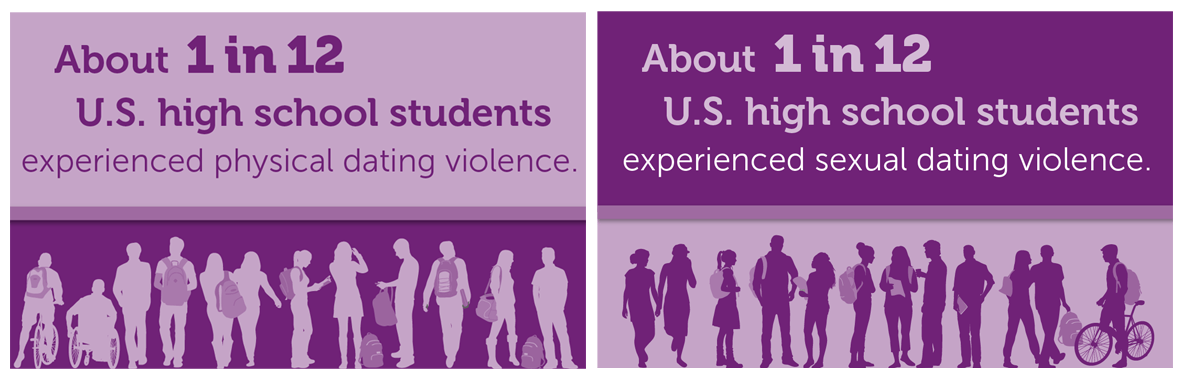
Teen dating violence has a long-term impact on teens’ mental health causing anxiety, depression, and thoughts of wanting to unalive themselves. In addition to impacting their mental health, teens who experience physical and sexual dating violence may also engage in unhealthy behaviors such as using tobacco, drugs, and alcohol. Dating and sexual violence can also lead teens to engage in antisocial behaviors such as lying, bullying, and being physically aggressive. If you would like more information on the impact and prevention strategies please visit the CDC’s Fast Facts: Preventing Teen Dating Violence.
ACCORD’s Domestic Violence Program can also assist with safety planning, getting an order of protection, and connecting teens with services in their area. If you would like more information, please contact ACCORD’s 24/7 Domestic Violence Hotline at 1-800-593-5322.
Resources
Enjoy the Outdoors Safely this Winter
Winter is a great time to get outside and enjoy the abundant recreational activities that the natural resources in Allegany County have to offer. There are over 50,000 acres of DEC managed state lands in the county, which offer great opportunities even throughout the long, cold winter months. As with any time of year, preparedness provides the key to a safe and fun outing, but in winter this becomes even more critical.


Cross country skiing can be one of the best forms of exercise and is a way to view the backcountry and observe nature in winter. There are numerous designated ski trails about, particularly on the Phillips Creek and Turnpike State Forests in Ward and West Almond. In addition, many informal trails on state land are open for skiing, as well as seasonal forest roads that are left unplowed in winter. When there is a great enough snow depth, snowshoeing can be another interesting alternative; or if there is less snow, this can be one of the best times for hiking – without any specialized equipment, when muddy areas are solid, and the lack of leaves on the trees offer vistas not available the rest of the year.
Be prepared for your outing by telling someone your plans and by knowing the area you will be going to. Carry your phone and a GPS unit, if you have one. There are several modern mapping apps available for smart phones also. Learn to use a traditional map and compass; there is no battery to go dead, and you will have even more confidence as you travel through the woods, even if using an area with limited or no cell service. All DEC state lands have basic online maps that can be viewed on a phone, or printed, available at the website noted below.
Dress in layers; as you are moving you may want to shed an extra shirt or jacket, but if you stop for a break or get stranded, you will quickly become cold. Hypothermia can easily result this time of year when your body sweats from exercise, and with no means to get dry when you stop. Protect your extremities from frostbite with appropriate cover.
Bring a small day pack with some dry layers, snacks, and a means to start a fire in an emergency, as well as a flashlight with extra batteries. You may not intend to be out after dark, but you will be glad to have it if the unintended happens. With your pack, be sure to carry plenty of water. Dehydration is an often- overlooked danger in winter. You may feel less thirsty than you would in summer from the same amount of exertion, but your fluid level must still be maintained. Thirst is not the first indicator of dehydration!
There are several good bodies of water in Allegany County for ice fishing, with some of the most popular locations at Allen Lake, Cuba Lake, and Alma Pond. Make sure that the ice is safe before you set foot on to it. Lake and pond ice should be at least four to six inches thick to provide a safe layer for pedestrian traffic. This alone does not guarantee safety – avoid locations of moving water underneath the ice, such as springs or outlets, which will weaken even a thickly frozen depth. Slushy and wet areas indicate that the ice may be too thin to support weight due to warming conditions or disturbance. Pockets or edges of open water are also clear signs that the ice may not be safe.
With around 380 miles of groomed trails, Allegany County is a snowmobiler’s paradise. Many of these trails cross state lands, and many more miles have been provided by landowners to ride on private parcels in between. Please respect their generosity by remaining on the trails. Know your ability and be familiar with the operation of your machine. Travel in at least pairs whenever possible and stick to the designated trails, both for safety and out of respect for the landowners. Do not attempt to cross frozen lakes or ponds. Be prepared for the unexpected, as with any other outing.
The Allegany County Federation of Snowmobilers is made up of eleven local chapters. Their members volunteer to maintain the extensive network of trails. They can provide information on any locally scheduled safety courses.
Remember that it is against the law to operate a snowmobile when under the influence of alcohol or drugs and doing so can be just as deadly as driving a motor vehicle. It can be fun to stop at one of the many establishments along the trails and enjoy a meal or refreshments, but please do so responsibly!
All the public land here in Allegany County is free to visit. These areas belong to YOU, and are yours to use and enjoy. But with ownership comes responsibility: Please leave the land and water in its natural state as you found it – Leave No Trace!
New York State Forest Rangers are police officers of the Division of Forest Protection, within the Department of Environmental Conservation, and are a cooperating agency with the Partners for Prevention in Allegany County. They are responsible for the care, custody, and control of DEC lands; wildfire suppression, prevention, and investigation; and wildland search and rescue. You can get updates from the NYSDEC on Facebook, Instagram, Twitter, and Youtube
For more information, please use the phone numbers and websites below.
Allegany County Federation of Snowmobilers
Hike Smart NY (more outdoor safety tips)
New York State Department of Environmental Conservation:
Forest Ranger (Allegany County): 585-415-1521
Division of Lands and Forests (State Forest management in Allegany County): 585-466-3241
Places to Go (state land information)
National Impaired Driving Prevention Month

For more than 40 years, December has been designated as National Impaired Driving Prevention Month. Impairment comes in many forms and is easiest to describe as anything that prevents from performing a task as you normally would. We are all well aware of the dangers of drunk driving. Crashes caused by drivers impaired by alcohol and drugs are responsible for over 10,000 deaths each year. Alcohol has long been the largest contributed to that number, however with the legalization of marijuana; there may have been a change. Some studies are showing that crashes caused by marijuana use have caused more deaths than those involving alcohol. There are also plenty of instances where both have been found in the system of the driver. Alcohol and marijuana are not the only things that cause impairment. Other drugs can also cause impairment, even over the counter medicines when not used correctly. Simply put, you should not get behind the wheel if you aren’t able to operate it to the best of your abilities.

December is a very important time to relay the message of the program. With the holiday season upon us, there are a lot of people out on the road to visit families. There are also a lot of people enjoying time with their families by having some drinks. This combination can become fatal if some responsibility is not added in. This is where the goal of the STOP-DWI program comes in. It is not the goal to try to prevent people of legal drinking age from enjoying a couple drinks with family, but it is about making sure that everyone out on the road can get home safely. The “Have A Plan” mobile app was created to help with this situation. You can download it here, http://stopdwi.org/mobileapp, and it can take you through the steps of how to get home safely. Whether that plan involves getting a ride from a friend, or calling for a ride from elsewhere, we want everyone to easily be able to get home alive.

Please be safe this time of year, and all year long. Be responsible, have a plan, and make it home alive. For more information on the STOP-DWI program, visit http://stopdwi.org.
National Impaired Driving Prevention Month with New York State Trooper James O’Callaghan on the 585 Prevention Podcast.
Remember Prevention Works!
Free Wholesome and Educational Videos for Kids and Families

With the upcoming holidays, finding safe pastimes for children can be an issue for parents and caregivers for which Allegany Hope has free, wholesome opportunities.
Our Allegany County nonprofit organization, focused on Building Healthy Communities Through Healthy FamiliesTM, is offering free access to the national RightNow Media library of over 20,000 videos, including a large children’s section with fun cartoon presentations which provide moral messages, such as kindness, helpfulness, safety and being a good friend.
There also are adult videos, in both single sessions and series for individual or group use, which encompass guides for marriage and families, parenting, men’s and women’s studies, conflict resolution, mental health and wellness, professional development, leadership, values and culture, and many more topics.
Children’s videos include BOZ, the green bear next door, Friends and Heroes, Adventures in Odyssey, Monster Truck Adventures, Owlegories, Stories from the Storyteller, The Emily the Elephant Show, Life at the Pond, Bible Adventures, and music videos. Make Ready for Christmas and Inspired Christmas Adventures are among seasonal topics.
Presenters in the teen and adult video sessions include well-known pastors John Maxwell, John Perkins, Max Lucado, John Piper, Tony Evans, J.D. Greear, Francis Chan, and Andy Stanley, along with nationally-recognized Christian counselors and authors Henry Cloud, John Townsend, Emerson Eggerichs, Les and Leslie Parrott, Gary Thomas, Greg Smalley, and others.
Authors Dave Ramsey and Larry Burkett on finances; Chuck Colson, creator of a national prison ministry after serving time for involvement in the Nixon White House investigation, and celebrities Kirk Cameron and NFL football coach Tony Dungey also are included.
A special section for business includes individual videos and series by men and women executives with backgrounds at Coca-Cola, Walmart, HP, Chick-Fil-A, Hobby Lobby, Popeye’s, Tyson, and Auntie Anne’s pretzels.
Allegany Hope has obtained a community subscription to enable area families to take advantage of this free service.
Access to the videos is available by emailing Allegany Hope at AlleganyHopeWNY@outlook.com with name, community of residence and email, and then accepting a return email invitation to participate.
Allegany Hope is involved in various other initiatives for Building Healthy Communities Through Healthy Families in Allegany County and beyond which include an online Community Calendar of free and primarily-free events, a Faith Community Health Ministry Network to assist churches and community groups in developing health ministry networks to help serve holistic health – physical, mental/emotional and spiritual – needs of individuals and families within congregations and their communities, and various forums focusing on specific areas of need.
Additional forums are being planned to help meet the needs of individuals of all ages and families.
Allegany Hope seeks volunteer Information Ambassadors in churches and the general community who can help connect individuals and families with services and opportunities they may not be familiar with through a process of organized information dissemination. Further details are available from Casey Jones, executive director, through email or at (484) 435-0503
Fall Pill Drop held in Allegany County
On Saturday, October 29 the Allegany County Fall Pill Drop was held in conjunction with the Drug Enforcement Administration’s (DEA) National Prescription Drug Take Back Day. Angelica and Cuba were chosen for the fall locations. The pill drop event allows the community to drop off unused, expired, or unwanted medications, needles, and provides the opportunity for education on the location of the pill drop boxes in the various communities.
This event was held in partnership with the Allegany Council on Alcoholism and Substance Abuse, Inc.(ACASA), the Allegany County Sheriff’s Office, Cuba Police Department, and Partners for Prevention in Allegany County(PPAC). Medications were accepted from 10am to 2pm, and between the two locations, a total of 31 cars participated dropping off 101 pounds of medications, and two boxes of needles.


“It is always great to see continued success year after year since the inception of the Allegany County pill drops. This is an initiative that we will continue to support for years to come,” said Cuba Police Chief Dustin Burch.

Each car that stopped received a Take It To The Box magnet, which lists all of the pill drop box locations throughout Allegany County, which includes: the Allegany County Sheriff’s Office and Nicholson Pharmacy in Belmont, Alfred Pharmacy and Alfred State’s Office of University Police, Cuba Police Department, Cuba Pharmacy, Fillmore Pharmacy, Fisher’s Pharmacy in Wellsville, Friendship Pharmacy, Jones Memorial Hospital in Wellsville, Jones Memorial Medical Practice in Andover and Bolivar, Tri-County Family Medicine in Canaseraga, and the Wellsville Police Department.
“This past spring, we established two more drop box locations at Jones Memorial Medical Practice in Andover and Tri-County Family Medicine in Canaseraga,” said PPAC Coordinator Jon Chaffee. The owners of Cuba Pharmacy and Fisher’s Pharmacy in Wellsville also established their own medication drop boxes earlier this year, which brings the total drop box locations to twelve. “It is important that community members do not hold onto old medications as people who abuse prescription pills usually get them from a family member or close friend without their knowledge,” said Chaffee.
Community members also received a Deterra bag, which allows someone to put up to ninety pills or twelves ounces of fluid in one Deterra bag, add water and crush up the chemical inside to make the medications useless to use by people and harmless to the environment. Once the medications are mixed a person can simply throw the bag away in the garbage.
“The bi-annual pill drop events and the Take It to the Box locations, helps to make sure that it is harder for people to abuse medications in our county,” said Allegany County Sheriff Rick Whitney. “By collecting these medications and having them destroyed we greatly reduce the amount available to find their way on to our streets and into the hands of our youth,” stated Sheriff Whitney.

Allegany County also has free sharps/needle disposal available at all Allegany County Transfer Stations. The days and times that these locations are open are different per location. Below is a list of all the locations.
- Alfred, 394 Satterlee Hill Road. Open Thursday, Friday, and Saturday 8am to 3:30pm.
- Belmont, 6006 County Road 48. Open Tuesday through Saturday 8am to 3:30pm.
- Bolivar, 135 Reed Street. Open Wednesday and Saturday 8am to 3:30pm.
- Canaseraga, 89 West Main Street. Open Saturday 8am to 3:30pm.
- Caneadea, 9425 Molyneaux Road. Open Wednesday and Saturday 8am to 3:30pm.
- Cuba/Friendship, 7912 County Road 20. Open Thursday and Saturday 8am to 3:30pm.
- Wellsville, 77 Dyke Street. Open Tuesday through Saturday 8am to 3:30pm.
For any questions on the Allegany County Sharps Disposal Program contact Recycling Coordinator Tim Palmiter (585) 268-7282.
The agencies involved would like to send out a special “Thank You” to the Angelica and Cuba Fire Departments for giving us a space to hold the pill drop event. The next pill drop event will be held in April, 2023.
More information about the pill drop box locations can be found at https://ppaccentral.org/takeittothebox/ .
Local Youth Learn about Vaping and Impaired Driving at 2022 SADD Conference

High school students from districts throughout Allegany County filled the Genesee Valley Central School auditorium today to participate in the Students Against Destructive Decisions (SADD) Conference. The event was to commemorate National Red Ribbon Week, a national celebration promoting the importance for students to live drug-, tobacco- and alcohol-free lives. This year’s theme: “Celebrate Life. Live Drug Free.”
Dr. Richard O’Connor, Professor of Oncology at Roswell Park Comprehensive Cancer Center, was the keynote speaker. He talked to the students about his research, which focuses on how using cigarettes and vaping can impact health.
The 2021 Risk and Protective Survey that was completed by students in Allegany County reported that 26.1% of high schoolers vape, which is higher than the New York state average of 22.5% for high schoolers. One reason for the higher rate could be easier access to flavored vapes compared to the rest of the state.
In addition to the science behind tobacco use, New York State Trooper O’Callaghan explained new laws about driving while impaired and how police officers determine impairment. Trooper O’Callaghan also went over the increase of arrests from impaired driving from drugs so far in 2022 compared to previous years. Local and national surveys have not shown a large increase in cannabis use for young people but has shown that young people’s perception of harm from cannabis use has decreased continually. It is thought that as states legalize cannabis, it gives young people the idea it is safe to use.

To wrap up the half-day conference, students got their creative juices flowing with a pumpkin carving activity with Eric Jones, who just won the Food Network’s “Outrageous Pumpkins.” Event sponsors wanted the youth to take away the idea that fun, positive, family activities like Halloween decorating, are a healthier alternative to drug, alcohol and tobacco use. Eric ended the event by telling the students, “You can be successful at whatever you are passionate about, but you have to work hard for it.” Follow Eric on Facebook and Instagram for updates on what he is currently carving.
The SADD Conference was a partnership between the Allegany County Stop DWI Program, the Allegany Council on Alcoholism and Substance Abuse, Inc., Partners for Prevention in Allegany County, and Tobacco Free Chautauqua, Cattaraugus, Allegany.
ACASA holds 24th Annual Move-A-Thon

October is National Substance Abuse Prevention Month. On Saturday, October 1st, the Prevention Department of the Allegany Council on Alcoholism and Substance Abuse, Inc., held the 24th annual Bob Weigand Memorial Move-a-Thon at the Angelica Village Office. Six people and a dog named Wilson participated in this year’s Red Ribbon event, which is held every first Saturday in October in memory of Drug Enforcement Agent Enrique “Kiki” Camarena, who was killed by drug traffickers in 1985. The purpose of the Move-a-Thon is to promote a drug-free lifestyle through healthy alternatives, and to remind people to wear red ribbons in support of a drug-free America during Red Ribbon Week, October 23rd-31st. This year’s theme is: “Celebrate Life. Live Drug Free”. A national Red Ribbon Week Photo Contest is taking place throughout the month of October with the intent to involve families, neighborhoods, schools, and communities. View the contest video for more information, including prizes, at https://youtu.be/EPyovFwbiCQ .

Winners of the event by category are as follows:
- First Place Female Walker was Addison Bradt.
- First Place Male Walker was Graham Bradt.
- First Place Male Cyclist was Shawn Scholla.
There were no female cyclists or runners present.
The Allegany Council would like to thank the Village of Angelica for allowing the event to take place there, local law enforcement for ensuring safety, Robert Pfuntner for donations, and all those who participated in and supported this special event!
October is National Disability Employment Awareness Month

Observed in October, National Disability Employment Awareness Month (NDEAM) is a nationwide campaign celebrating the many and varied contributions of America’s workers with disabilities. In recognition of the important role people with disabilities play in a diverse and inclusive American workforce, this year’s theme is “Disability: Part of the Equity Equation.”
NDEAM’s history dates back to 1945, when Congress declared the first week in October each year as “National Employ the Physically Handicapped Week.” In 1962, the word “physically” was dropped to acknowledge people with all types of disabilities. In 1988, the federal legislature expanded the week to a month and changed the name to National Disability Employment Awareness Month.
“National Disability Employment Awareness Month is a national initiative designed to increase the employment of people with disabilities,” said Christina Lyon, The Arc Allegany-Steuben’s Director of Vocational Services. “Every day, people with disabilities can and do add value to America’s workplaces. The NDEAM campaign’s goal is to drive positive change through the hiring, retention and advancement of people with disabilities in America’s workforce and by illustrating that at work, it’s what people can do that matters.”
“There are a variety of potential financial incentives that a business may utilize when they employ people with disabilities such as the Federal Work Opportunity Tax Credit, NYS Workers with Disabilities Employment Tax Credit, Work Try-Out, On-The-Job Training, Job Coach Services, Architectural/Transportation Tax Deduction and Small Business Tax Credit,” said Lyon. “With so many businesses hiring, it is important to look everywhere for talent. Recruiting should extend to nontraditional sources, including people with physical, mental, and communication disabilities. If you are interested in diversifying your business, please contact me at (585) 593-5700 ext. 227.”
Learn how The Arc Allegany-Steuben’s ACHIEVE Career Consultants provide multiple avenues for people with intellectual and developmental disabilities to prepare for and become successful members of the workforce community through avenues such as community and vocational assessments, school to work programs, job placement, supported employment and on-site simulated job training experiences by visiting www.thearcas.org .
You can also check out the “What Can You Do” the Campaign for Disability Employment on Facebook, Instagram, and Twitter.
Mobile Addiction and Mental Health Services is now offered in Allegany County
Allegany Council on Alcoholism and Substance Abuse, Inc. (ACASA) is collaborating with BestSelf to connect individuals who may be reluctant to engage in a clinical setting for addiction and mental health services. This collaboration allows us to become more accessible through the use of a mobile unit. We will be located at Cuba Hospital on the first and third Thursday of each month and Houghton Wesleyan Church the second and fourth Thursday of each month between 10:30 am and 2 pm. Our mobile team consists of a Medication Assisted Treatment (MAT) doctor, registered nurse, counselor and a certified recovery peer advocate (CRPA).
The initial meeting is a walk-in where each individual will have an intake and assessment with the counselor thereafter will be set up with an appointment. Individuals who are interested in the MAT service will meet with the nurse for an assessment then have a session scheduled to meet with the doctor via telehealth. They will also meet with the CRPA for an intake and will gain support from this advocate.
Once the individual is stable within their recovery/mental health they will be referred to a clinic where they will continue their services. The CRPA will work with the individual to help remove any barriers, so they are able to engage in a clinical setting for treatment.
For more information on the mobile unit services, call ACASA at 585-593-6738 and ask for Jamie Minderler.
Jamie also discussed the mobile treatment unit on the 585 Prevention Podcast, which can be heard below.
33rd National Recovery Month
This September marks the 33rd National Recovery Month, an observance held every September to promote and support new evidence-based treatment and recovery practices, the emergence of a strong and proud recovery community, and the dedication of service providers and community members across the nation who make recovery in all its forms possible.

“Recovery is for Everyone: Every Person, Every Family, Every Community,” is now the permanent tagline used to celebrate the gains made by those in recovery, just as society celebrates health improvements made by those who are managing other health conditions such as hypertension, diabetes, asthma, and heart disease. A major difference, however, is that the successes of the millions of Americans whose lives have been transformed through recovery often go unnoticed by the general population. The observance reinforces the positive message that behavioral health is essential to overall health, prevention works, treatment is effective, and people can and do recover.
As part of Recovery Month, #AddictionProfessionalsDay is celebrated on September 20, marking the 30th Anniversary since National Addiction Professionals Day was established by NAADAC (National Association for Alcoholism and Drug Abuse Counselors) in 1992 to commemorate the dedicated work that these vital players of the health system and continuum of care do on a daily basis. Visit NAADAC for more information.
Previously, Recovery Month was sponsored by the Substance Abuse and Mental Health Services Administration (SAMHSA). In 2020, the federal government “turned the reins over” to the recovery community to sponsor and manage this yearly observance. Although SAMHSA remains an active Recovery Month Planning Partner and supporter, Faces & Voices of Recovery, a long-standing Recovery Month Planning Partner, now hosts the Recovery Month website, managing the social media outreach, developing and disseminating promotional materials, and is the central location for all Recovery Month events. More information can be found at the Recovery Month website.

Local counseling is available at the Allegany Council on Alcoholism and Substance Abuse, Inc., at 585-593-6738. Together, we can stop the stigma surrounding mental and substance use disorders, and help more people find the path to hope, health, and overall wellness!
August is National Family Fun Month: Family Fun Starts at the Y

The YMCA of the Twin Tiers, with a location in Wellsville, prides itself on building strong kids, strong families, and strong communities. It does so by promoting youth development, healthy living, and social responsibility. The Y strives to help everyone reach their full potential, and have plenty of family fun along the way.

The Y is the largest childcare provider in the area, allowing parents to pursue work opportunities and support their families. The 21st Century Community Learning Center and Extended School Day After School Programs offers an enriching experience for children in multiple districts throughout Allegany County at no cost to parents. This fall, the Wellsville YMCA Child Care and Early Learning Center will open its doors for the first time, offering care and learning opportunities for children from 6 weeks of age to preschool age.
The Y is committed to empowering kids and parents to lead healthy active lifestyles through sports and wellness programs. Sports recreation programs were offered on-site in Wellsville, Bolivar, Scio, Whitesville, and Rushford this summer encouraging kids to get outside and be active. The Y is also known as “America’s swim instructor” teaching children to be safe around water through Youth Swim Lessons. The Wellsville YMCA partners with the Wellsville School District to offer lessons at the school pool. This summer, thirty nine children in Friendship, NY received free swim lessons through the Step into Swim program. The Wellsville YMCA also supports parents in their healthy journeys by offering free childcare to all Family Members, while parents are working out during select hours.
The Y recognizes that the elements of fun and play are also a part of a strong family unit. The Wellsville YMCA has many upcoming events planned that focus on quality family fun time. These include a Halloween Event, Super Saturdays, a Christmas Event, and Coffee & Canvas: a painting class for teens and adults. There are also Parents’ Night Out evenings planned when folks can enjoy a night out while their children are having fun at the Y.
The Y is a nonprofit organization that believes everyone, regardless of age, income, or background, should have the opportunity to learn and grow. The Y offers a financial assistance program that ensures no one is ever turned away due only to the inability to pay. The Y is a powerful advocate for the community, because we are the community.
To learn more about the YMCA of the Twin Tiers, please visit our website at twintiersymca.org.
BIPOC Mental Health Awareness Month

July is Black, Indigenous, People of Color (BIPOC) Mental Health Month. This observance is meant to bring awareness to the unique challenges that racial, ethnic, and sexual marginalized communities face regarding mental illness in the United States.
Studies show that these underserved communities display higher levels of anxiety, depression, suicidal tendencies, Post-Traumatic Stress Disorder (PTSD), and other mental health disorders. Society’s deep-rooted prejudice towards these groups is a major cause of feelings of rejection, estrangement, and harassment. Barriers to care include equitable access to care, cultural stigma, and lower quality care all can also play a part in affecting the experiences of underserved communities in the US.
What’s the connection with gambling?
Mental Health and gambling go hand-in-hand. Gambling can cause anxiety, depression, stress, and low self-esteem.
Just like with mental health, there is a stigma when it comes to gambling. People who are experiencing problems due to their gambling often have a large amount of shame as well as fear about the amount of debt they have. It can be difficult to reach out for help as they often feel alone and isolated.
The shame and stigma associated with gambling problems can be further compounded within BIPOC communities. This can be because of a distrust of the medical system, or lack of services for those who are undocumented. In addition, treatment options can be limited for those in underserved communities as service availability may not be equitable, culturally specific or in a client’s native language.
Just like with mental health services, these communities are underserved when it comes to problem gambling support. It is important to continue to have these conversations and advocate for resources for those who are part of these populations. Reach out to your local Problem Gambling Resource Center to identify what resources are currently available, what is missing, and to work in collaboration so that we can better serve our communities.
If you or someone you love is exhibiting warning signs such as being absent from friend/family events because of gambling; feeling stressed or anxious when not gambling; low work performance due to absence or preoccupation with gambling; or lying to family and friends about how much money and time is spent on gambling, it may be time to reach out to the Western Problem Gambling Resource Center.
For more information or to get help call (716) 833-4274 or email WesternPGRC@nyproblemgambling.org.

ACASA hold 2022 Virtual AHSSUM Camp
The Allegany Council on Alcoholism and Substance Abuse, Inc. (ACASA) held the 30th AHSSUM Camp from July 11th-July 14th. For the second year in a row, Camp was held virtually on Zoom. Each day for two hours, campers from Allegany County participated in guest speaker presentations and crafts. AHSSUM – “A Happenin’ Safe Summer for U and Me” is a no-cost camp promoting positive alternatives for Allegany County youth ages 8 to 12 years old. Parents registered their children on-line and supplies were delivered to the participants in-person prior to the start of camp week.
This year’s theme was “Geocaching”. Day one’s theme was “Finding Your Way to Outdoor Adventures”, presented by Forest Ranger Justin Thaine. Campers received their own compass as part of their supplies and viewed a pre-recorded video of DEC Officer Thaine in Plum Bottom State Forest explaining how to use a compass. Following the video, Scout Master Peter Roeske and Eagle Scout son Will Roeske spoke further on the subject and answered questions posed by the campers. Craft time consisted of using graph paper to map out one’s bedroom and coloring a map of New York and facts specific to our State. Day two was “Geocaching 101” and Belfast teacher Bruce Harrington spoke to campers about geocaching’s purpose, benefits, rules, history, and his experience. Day two craft consisted of assembling and painting a wooden puzzle of a flamingo, owl, or peacock. The theme for day three was “Back to the Future”, at which point time capsules were discussed and ACASA staff took turns highlighting specifics about the year they were born. The craft for this day was assembly and painting of a wooden bird house. Day four was “Get Outside and Experience Nature”. Campers viewed a pre-recorded video of Genesee Valley Principal Brian Edmister, co-owner of Healing Waters, who encouraged them to enjoy the outdoors this summer. Other related videos regarding kayaking were viewed and discussed. Campers, on day four, had the option of making a milk box carton boat or an egg carton boat. Most campers made both kinds. Bingo was played on the final day and winners received art supplies or Legos as their prize.
Throughout the week, campers were given an opportunity to find historical landmarks in Allegany County and geocache bags in eight different geocache locations. Campers who posted photos of themselves with their daily crafts on the AHSSUM Camp Facebook page, or emailed photos to ACASA staff, were entered into a drawing to win a Healing Waters kayak trip for a family of five on the final day of AHSSUM.
The AHSSUM Camp program works with Allegany County school systems and other human service agencies to offer camp to youth within the county. ACASA would like to acknowledge and thank the guest speakers, Wellsville Burger King, Wellsville McDonald’s, Saputo Dairy, and Upstate Dairy for various donations, and the sponsors of this camp: The Dr. Lyle F. Renodin Foundation – “Affiliated with the Franciscan Sisters of Allegany, NY”, Allegany County Youth Bureau, and ACASA.
For more information on attending or sponsoring AHSSUM Camp next year, please contact the ACASA Prevention Department at 585-593-1920, ext. 719.
Local Youth Mobilize Against Big Tobacco in Albany
Youth Raised Awareness of Flavored Tobacco Products, Participated in Altria Shareholders’ Meeting

On May 19, five teen leaders from Tobacco-Free Chautauqua, Cattraugus, Allegany Counties (TFCCA) in joined other youth from around New York State, as well as Delaware, to call on Big Tobacco to voluntarily remove all flavors, in all their products, for all people. The live rally in West Capitol Park in Albany, NY, took place as Altria Group (Philip Morris USA) was holding their annual shareholders’ meeting, and was livestreamed to young people across the country who participated virtually. The united effort highlighted the tobacco industry’s use of flavored tobacco (including menthol) to target specific populations and drive initiation of and dependence of products harmful to their health.
Speakers at the youth-led press event included Ritney Castine, a health advocate and leader with the Center for Black Health and Equity and Harlan Juster, PhD, retired Director of Tobacco Control for the New York State Department of Health. Youth leaders Louisa Pelletier of Dover Youth to Youth and Kristina Donders of New York State Reality Check also spoke.
“While the tobacco industry constantly denies that they target youth with their marketing, you can’t argue with the facts,” said Kristina Donders, NYS Reality Check champion. “The fact is that 85% of e-cigarette users use flavored products.”

”The US Food and Drug Administration (FDA) recently announced proposed rules that would ban the sale of menthol cigarettes and flavored cigars,” said Harlan Juster, PhD, retired Director of Tobacco Control for the New York State Department of Health. “But I believe that state and local communities must pursue banning the sale of menthol cigarettes and flavored cigars; in fact, they should ban all flavors, in all products, for all people and not wait for the FDA to act.”
”We know that 40,000 African Americans die each year due to tobacco-related illnesses and that the overwhelming majority of Black Americans who smoke cigarettes use menthol products,” said Ritney Castine of the Center for Black Health and Equity. “The time is now for New York to ban the sale of menthol cigarettes and save lives.”
In preparation for Thursday’s in-person demonstration, youth spent Wednesday doing team-building exercises, planning the rally, learning about tobacco control policies, and how they can stand up, speak out and make a difference in the fight against big tobacco. Trainers were from Corporate Accountability, Counter Tools, Dover Youth 2 Youth, and the Hawaii Youth Council.
The press rally was part of a bigger effort, the third annual Mobilize Against Tobacco Lies (MATL 2022). Teens from Dover Youth 2 Youth in New Hampshire, the Kick Butts Generation in Delaware and Reality Check in New York were in-person in Albany, while youth leaders from Texas, Arkansas and Hawaii participated virtually.
Some youth took their demands right to the top – the Chairman and Chief Executive Officer of Altria Group, Billy Gifford. Teens from Dover Youth 2 Youth, New York State Reality Check, Texas Say What, Hawaii Youth Council and Project Prevent in Arkansas were made a designee for a shareholder to address corporate tobacco executives and ask questions during the virtual shareholders’ meeting while others spoke out on social media.
For more information on Mobilize Against Tobacco Lies follow them on Facebook, @mobilizeagainsttobaccolies on Instagram, @Tobacco_LIES on Twitter, or check out their website.
Double Trouble: Substance Use and Mental Health

May 8 through May 14 is National Prevention Week, which focuses on different aspects of substance abuse and mental health. Wednesday, May 11’s theme is Preventing Suicide: Everyone Plays a Role. Mental health and substance use disorders affect people from all walks of life and all age groups. These illnesses are common, recurrent, and often serious, but they are treatable, and many people do recover. Mental disorders involve changes in thinking, mood, and/or behavior. These disorders can affect how we relate to others and make choices. Reaching a level that can be formally diagnosed often depends on a reduction in a person’s ability to function as a result of the disorder (SAMHSA).
For example:
- Serious mental illness is defined by someone over 18 having (within the past year) a diagnosable mental, behavior, or emotional disorder that causes serious functional impairment that substantially interferes with or limits one or more major life activities.
- For people under the age of 18, the term “Serious Emotional Disturbance” refers to a diagnosable mental, behavioral, or emotional disorder in the past year, which resulted in functional impairment that substantially interferes with or limits the child’s role or functioning in family, school, or community activities.
- Substance use disorders occur when the recurrent use of alcohol and/or drugs causes clinically significant impairment, including health problems, disability, and failure to meet major responsibilities at work, school, or home.
The abuse of alcohol or drugs is second to depression as the most frequent risk factor for suicidal behavior. The risks increase if substance use disorder (SUD) co-occurs with depression (major depressive disorder) or other mental health disorders such as Post Traumatic Stress Disorder (PTSD), Anxiety Disorder, Bipolar Disorder, Schizophrenia, and some personality disorders. Those who experience depression, or these other disorders often turn to drugs or alcohol as coping measures which can sometimes evolve into SUD.
Alcohol and some drugs can lead to suicidality through loss of inhibition, impulsivity, and impaired judgement. SUD can also lead to changes in the brain that result in depression over time, and can be disruptive to relationships—causing isolation and a loss of social connection. Furthermore, they can be a means to ease the distress associated with carrying out the act of suicide.
Risk Factors for Suicide
Risk factors are factors that can increase the possibility of someone making the decision of taking their own life. There are several risk factors that can lead to suicide.
These risk factors include:
- Substance use disorder that coincide with other disorder such as: Depression, Post Traumatic Stress Disorder (PTSD), Anxiety Disorder, and Some Personality Disorders.
- Substance Use Disorder
- Stressful life events
- Chronic pain
- Living alone
- Lack of social support
- History of childhood abuse
- High aggression/impulsivity
- Feelings of hopelessness
- Sexual orientation or gender identity
- History of suicidal behavior
Protective Factors for Suicide
There are some individual characteristics and things we can do in communities that may help protect people from suicidal thoughts and behavior. There is not as much research about these protective factors as there is about risk factors but identifying and understanding them is especially important. These protective factors include:
- Identifying reasons for living.
- Being clean and sober.
- Coping and problem-solving skills.
- Connections to friends, family, and community support.
- Limited access to lethal means.
- Availability of physical and mental health care.
- Having a trusting relationship with counsellors, physicians, and other service providers.
- Employment.
- Religious attendance/ and or internalized spiritual teachings against suicide.
- Attendance to SUD support groups.
- Optimistic perspective on life.
Demographics – Special Populations
Adolescents
A key risk factor that often underlies suicidal and substance use behaviors is poor impulse control. Adolescent substance use may increase the risk for suicidal behavior due to both acute and long-term effects. Stressful life events, both traumatic and interpersonal, are shown to contribute to suicide risk in adolescents. Additionally, nearly 52% of NYS students in grades 7-12 reported their parents had never talked to them about the dangers of underage drinking. If you know your child is using alcohol, drugs, or tobacco, you have good reason to be concerned. You may feel helpless, fearful and even ashamed, but you CAN do something. Contact the Allegany Council on Alcoholism and Substance Abuse for help at 585-593-6738 or call HOPENY at 1-877-846-7369.
Sex and Gender Differences
Men are more likely than women to use almost all types of illicit drugs, and illicit drug use is more likely to result in emergency department visits or overdose deaths for men than for women. “Illicit” refers to use of illegal drugs, including marijuana (according to federal law) and misuse of prescription drugs. For most age groups, men have higher rates of use or dependence on illicit drugs and alcohol than do women. However, women are just as likely as men to develop a substance use disorder. In addition, women may be more susceptible to craving and relapse, which are key phases of the addiction cycle.
Middle Aged Males
Middle-age and older men that are dependent on alcohol and have mood disorders are at an elevated risk of suicide. Instead of talking about stress or trying to seek help for their depression men will often mask their stress and deal with their depression through harmful behaviors and actions. Depression is a common risk factor that might turn into other dangerous behaviors such as, denial of illness, and reliance of self-medicating strategies.
65 and older
While illicit drug use typically declines after young adulthood, nearly 1 million adults aged 65 and older live with a substance use disorder (SUD), as reported in 2018 data. Physical risk factors for substance use disorders in older adults can include chronic pain; physical disabilities or reduced mobility; transitions in living or care situations; loss of loved ones; forced retirement or change in income; poor health status; chronic illness; and taking a lot of medicines and supplements. Psychiatric risk factors include avoidance coping style; history of substance use disorders; previous or current mental illness; and feeling socially isolated.
How YOU can support Mental Health for All:
Mental health is essential to everyone’s overall health and well-being, and substance misuse can affect anyone. Whether for a brief period of time or a chronic problem, While 1 in 5 people will experience a mental illness during their lifetime, everyone faces challenges in life that can impact their mental health.
To ensure mental health for all and prevent suicide, we need your help to reduce stigma, build awareness, and support those at-risk for suicide. You have the strength and power to reach out and save a life. Knowledge, awareness, advocacy, and empathy are the tools you may already have.
Recovery is possible. There is not a criteria that you check off and then all of a sudden you are considered “recovered”. Recovery looks different for everyone, and progress is measured differently. Recovery is a winding road, with twists and turns and possible pitfalls here and there – and that is okay. Be kind to yourself and to others, accept and learn from your mistakes or lapses. Celebrate progress, whether it is yours or a loved ones.
Together We Can Prevent Suicide… Prevention Works!
WHAT TO DO
- If your life or someone you know is in imminent danger, CALL 911.
- Offer help and support; listen.
- Assess the environment for your safety and theirs – Remove any objects that may be used for harm.
- Stay with the person until assistance arrives.
- For additional help call:
- Allegany County Crisis Hotline at 1-888-448-3367.
- Substance Abuses and Mental Health Services Administration at 1-800-662-HELP (4357).
- National Suicide Prevention Lifeline at 1-800-273-TALK (5233).
- Text the word “hello” to the Crisis Text Line at 741741.
WANT TO DO MORE?
Join the Allegany County Suicide Prevention Coalition at any of our upcoming workshops; including SafeTalk, Talk Saves Lives, ASIST (Applied Suicide Intervention Skills Training), and Youth Mental Health First Aid, or share your time and support as a member of the Coalition.
Are you a survivor of suicide loss? We can help connect you to local support groups.
To learn more, like us on Facebook at Allegany County Suicide Prevention Coalition or call Jose Soto at 585-610-9765.
Kicking Off National Prevention Week 2022
The week of May 8th marks National Prevention Week, a SAMHSA (Substance Abuse and Mental Health Services Administration) supported annual health observance dedicated to increasing public awareness of, and action around, substance abuse and mental health issues. This is an opportunity to join with other individuals, organizations, and coalitions in the community to promote prevention efforts, educate others about behavioral health issues, and create and strengthen community partnerships.
National Prevention Week is held near the beginning of summer, due to the increased risk of substance use and abuse occurring at celebrations and recreational activities, including graduation parties, proms, weddings, and sporting events. Schools are encouraged to initiate prevention-themed activities for the purpose of raising awareness in students of all ages. According to SAMHSA, the percentages of marijuana, cigarette, and alcohol use among youth increase between spring and summer (April-July), and the timing of this week helps educate both youth and their families at this crucial time of year.
Beginning on Monday, each day of that week highlights a specific topic. In previous years, a major emphasis has been on the prevention of using specific substances. This year, some of the daily themes focus on prevention efforts.
- May 9th is Strengthening Community Resilience: Substance Misuse and Overdose Prevention.
- May 10th is Preventing Substance Use and Promoting Mental Health in Youth.
- May 11th is Preventing Suicide: Everyone Plays a Role.
- May 12th is The Talent Pipeline: Enhancing the Prevention Workforce.
- May 13th is Prevention is Everywhere: Highlighting Efforts Across Settings and Communities.
- May 14th Celebrating Prevention Heroes. Why not honor a group or individual from a school, business, church, community, etc., who has “gone the extra mile” to promote a healthy lifestyle?
Since the first observance in 2012, community organizations across the country have hosted health fairs, block parties, educational assemblies, town hall meetings, memorial walks, social media campaigns, and outdoor events. SAMHSA offers ideas and tips on how to host a community event around National Prevention Week.
SAMHSA’s website at www.samhsa.gov/prevention-week is a wealth of information that includes resources, collaborating organizations, materials, and a toolkit. Let’s band together as a community and continue to set the example that prevention works by promoting a safe and healthy spring and summer with positive alternatives to alcohol and other drug use!
National Prevention Week Toolkit.
Remember Prevention Works!
April is Stress Awareness Month

Stress Awareness Month in April reminds us to pay attention to our health. Experts have shown that stress can have a dramatic impact on us mentally and physically. A variety of factors can relate to stress, and we’re familiar with many of them – our jobs, our relationships, our finances. One that might not come to mind immediately is the negative impact of gambling. Problems related to gambling have a close link to stress and anxiety, both for the people gambling and their loved ones.
Over 600,000 New Yorkers have experienced a gambling problem in the past year. The effects can include sleep issues, strain on relationships with loved ones, financial problems and increased alcohol or drug use, all of which can cause stress. People who struggle with problem gambling are also at a higher risk for other mental health problems. Two out of three individuals reported that their mental health suffered because of their gambling.
Not only do people start to be stressed after they have had problems because of gambling, but stress also itself can often lead to gambling. Some people experience distress over life events and circumstances and use gambling to distract or escape from the things that are bothering them. Unfortunately, though, the negative impact of gambling can compound an already-stressful situation and result in an unhealthy cycle.
Emotional and psychological distress is not exclusive to just the person gambling either – each of those individuals can affect up to 10 other people in their lives. A study found that nine out of 10 people impacted by someone else’s gambling problems felt emotional distress. Between the people gambling and their close friends and family, nearly six million New Yorkers are affected by problem gambling and may experience mental health issues because of it.
Gambling is rarely a positive or effective method for coping with stress. April is a great month to explore healthy alternatives to cope with stressors, big or small. If you notice yourself or someone you care about starting to gamble or increase the amount of time or money spent on gambling activities, it might be time to explore why.

The Western Problem Gambling Resource Center is available for anyone exhibiting warning signs of a gambling problem, such as being absent from activities with friends or loved ones because of gambling; feeling stressed or anxious when not gambling; low work performance due to absence or preoccupation with gambling; or lying to family and friends about how much money and time is spent on gambling. When people call (716) 833-4274 or email WesternPGRC@nyproblemgambling.org, they confidentially speak with a knowledgeable PGRC staff person who will listen to and connect them with the resources that best meet their needs. Whether someone is ready to get help or wants to know how they can help a loved one, call us today.
36th ALCOHOL AWARENESS MONTH

This April marks the 36th Annual Alcohol Awareness Month, sponsored by the National Council on Alcoholism and Drug Dependence (NCADD) since 1987. This year’s theme is “For the Health of It: Early Education on Alcoholism and Addiction”. Alcohol-Free Weekend has traditionally been observed the first weekend in April, which is April 1-3. This is a time when parents and other adults are asked to abstain from drinking alcoholic beverages for 72 hours to show our youth that alcohol isn’t necessary to have a good time. If participants discover they can’t go without a drink during this period, they are urged to call the Allegany Council’s outpatient clinic at 585-593-6738 for signs and symptoms of a possible alcohol related disorder.
No other substance is more widely used and abused by America’s youth than alcohol, making alcoholism and alcohol-related problems the number one public health problem in the United States.
Many youth drink because of social pressure to “fit in” with their peers, while others may drink alone because they are bored or depressed. This puts them at greater risk for developing alcohol-related problems. Drinking is also associated with the leading causes of death among young people, including car crashes, murder, and suicide. Even though teenagers know that people should not drink and drive, almost a third of teens will accept rides from someone who has been drinking.
According to SAMHSA (Substance Abuse and Mental Health Services Administration), those who regularly engage in underage drinking are at a higher risk of using other drugs, engaging in risky behavior, doing poorly in school, and having serious health issues, such as depression and anxiety.
Research has shown that one of the biggest protective factors in reducing the likelihood that a child will develop a substance abuse problem is strong parental disapproval of alcohol and other drug use. Fostering healthy and responsible attitudes, talking openly and honestly, encouraging supportive relationships, and showing children that their opinions and decisions matter, are all ways to help prevent the use of alcohol and other drugs.
According to a New York State survey, over half the students in grades 7-12 reported that their parents had never talked to them about the dangers of underage drinking. According to the 2021 Risk and Protective Factor Survey, administered to 6th, 8th, 10th, and 12th graders in Allegany County, 85% of students do NOT use alcohol! Let’s continue to help keep kids safe from alcohol and other drugs by starting the conversation. For tips on how to do this, log onto www.Talk2Prevent.NY.gov. For additional information and resources, visit ppaccentral.org.
Let this be your call to action, and remember, PREVENTION WORKS!
12th Annual National Drug Facts Week

This March 21st marks the 12th National Drug and Alcohol Facts Week, first launched in 2010 by the National Institute on Drug Abuse (NIDA). The purpose of this week is to counteract the myths that youth get from the Internet, television, movies, music, or friends, and replace those myths with scientific facts about drug abuse and addiction. The more informed our youth are about substances and the negative impact those substances can have on their lives, the less likely they are to engage in risky behaviors. “Shatter the Myths” is a free NIDA publication that parents can use to talk to their kids about substance abuse, and can be found for download at www.drugfactsweek.drugabuse.gov. NIDA’s “Family Checkup” is a wealth of information relevant to parenting skills that help prevent the initiation and progression of youth drug use. Topics include clear communication about relationship issues, encouraging positive behaviors on a daily basis, negotiating emotional parent/teen conflicts and working toward a solution, setting limits when behavior ranges from defiant or disrespectful to more serious problem behavior, monitoring teens to assure that they are not spending too much time unsupervised, and knowing your child’s friends. Visit www.drugabuse.gov/family-checkup to access these tips and to view video clips that display positive and negative examples of the skills, as well as additional videos to help parents practice positive parenting skills.
According to the local Allegany County data from the 2021 Risk and Protective Factor Survey, 12th graders reported the following related to 30-day substance abuse. 74.1% had NOT used alcohol; 95.9% had NOT used traditional cigarettes; 72.4% had NOT used e-cigarettes; and 84.1% had NOT used marijuana. We can all do our part by supporting our youth, getting the facts, and reminding them that NOT all youth are using substances, which is a popular myth among this population.
Remember, Prevention Works!
Other Resources:
8 Ways to Connect with Children, Teens, and Young Adults
From Niagara Falls and the Seneca One Building to the Mario Cuomo Bridge: NY Shines the Light on Problem Gambling

Niagara Falls and the Seneca One Building in downtown Buffalo are among several NYS landmarks joining the Western Problem Gambling Resource Center (PGRC) to recognize March as Problem Gambling Awareness Month (PGAM). The two local landmarks will be lit up yellow on Tuesday, March 8, 2022. Other sites honoring PGAM are the five towers in the City of Rochester, Yates Co. Government Building, Syracuse City Hall, National Grid Building, Barclay Damon Building, SUNY System Administration Building, Mid-Hudson Bridge, and the Mario Cuomo (Tappan Zee) Bridge.
The Western New York Problem Gambling Resource Center, a program of the NY Council on Problem Gambling (NYCPG), is calling on everyone in WNY to shine the light on problem gambling, an issue that impacts millions of American adults. With the rapid expansion of gambling and the record-breaking introduction of mobile sports betting, it is imperative that all our communities collaborate to raise awareness of problem gambling, prevent any additional problems related to gambling, and get those in need to adequate, local support services.
According to the National Council on Problem Gambling, 2 million U.S. adults (1%) are estimated to meet criteria for severe gambling problems in a given year. Another 4-6 million (2-3%) would be considered to have mild or moderate gambling problems; that is, they meet one of more of the criteria and are experiencing problems due to their gambling behavior.
The effects of problem gambling are not isolated to the individual gambling. It’s been estimated that 8-10 additional people can be negatively affected by one person’s gambling behaviors (Petry et al, 2005). These people include family members, friends, neighbors and even coworkers. If we account for individuals experiencing gambling problems and others who are affected, the estimate of those affected by problem gambling is between 64 and 80 million people.
Not only are we shining the light on the issue of problem gambling, we also want that light to be a beacon for anyone who might be negatively affected by a gambling problem – there is hope and help! If you or someone you know is experiencing things like distress, financial problems, or relationship conflicts because of gambling, the Western Problem Gambling Resource Center provides local, confidential support. Call (716) 833-4274 email WesternPGRC@nyproblemgambling.org or visit our website NYProblemGamblingHELP.org. We’re here to help.
_________________
The Western Problem Gambling Resource Center (PGRC) is a program of the New York Council on Problem Gambling dedicated to addressing the issue of problem gambling within New York State. The vision of the PGRC is the positive transformation of lives harmed by problem gambling. The PGRC focuses efforts on increasing public awareness of problem gambling; connecting clients with treatment, recovery and support services; and promoting healthy lifestyles which foster freedom from problem gambling. Visit www.NYProblemGamblingHELP.org to learn more about the PGRC network. The New York Council on Problem Gambling (NYCPG) is a not-for-profit independent corporation dedicated to increasing public awareness about problem and compulsive gambling and advocating for support services and treatment for persons adversely affected by problem gambling. NYCPG maintains a neutral stance on gambling and is governed by a Board of Directors. Find out more at NYProblemGambling.org.
Fillmore’s Reality Check Participates in Through with Chew Week

While youth vaping may be the topic on everyone’s lips, many high school students and adults use chew and other forms of smokeless tobacco.
During Through With Chew Week, February 20-26, members of Reality Check groups in Fillmore raised awareness in their community, on the dangers of chewing tobacco and other smokeless tobacco products.
Students created a display in the form of a mouth, with teeth displaying facts from the Centers for Disease Control and Prevention (CDC) and additional health studies on potential health problems.
Smokeless tobacco:
· Can lead to nicotine addiction.
· Can cause cancer of the mouth, esophagus and pancreas.
· Is associated with diseases of the mouth.
· May increase the risk for death from heart disease and stroke.
“Many people think that smokeless tobacco is less dangerous or harmless compared to smoking cigarettes, and that just isn’t true” states Reality Check Coordinator Jon Chaffee. In addition, a study of internal tobacco industry documents found that smokeless tobacco product manufacturers added flavors to their products to attract new users, especially young men.
Allegany County residents who want to quit can contact ACASA’s Ann Weaver at (585) 593-1920 for free local cessation or visit alleganycouncil.org. Also, the New York State Smokers’ Quitline provides FREE support to those thinking about quitting smokeless tobacco, including patches, gum or lozenges, as well as support from a Quit Coach. Call 1-866-NY-QUITS (1-866-697-8487) or visit www.nysmokefree.com to explore all the free services available to New Yorkers
Reality Check wants to give a special “Thanks” to Fillmore Shop’n Save and owner Randy Ellis for allowing them to decorate the front windows and help them educate the community.
Children of Addiction Awareness Week

The week of February 13th marks the Children of Addiction Awareness week, formerly known as Children of Alcoholics Awareness week, a campaign led by The National Association for Children of Alcoholics (NACoA) to raise awareness of children affected by parental alcohol problems. NACoA is now known as The National Association for Children of Addiction, as 1 in 7 people will experience a substance use disorder, and 18 million children are directly affected. COAs are more likely than others to have emotional, psychological, or physical problems related to their childhood. Many develop an alcohol problem and/or other addictive habits, and/or marry someone with an alcohol problem or some other type of addiction. COAs often learn special rules and roles, which include attempting to protect the family image, keeping feelings to themselves, not trusting others, assuming parental responsibilities, excelling at school, trying to make others feel better, adapting to situations in a detached fashion, or using negative behavior to attract attention. If these behaviors are not addressed, an adult child of an alcoholic (ACOA) may have trouble expressing feelings, can’t seem to relax, are loyal to others beyond reason, are overly responsible, fear losing control, fear being abandoned, are overly self-critical, and have difficulty with relationships. In general, COAs have higher rates of stress-related illnesses and conditions, including ulcers, depression, fatigue, headaches, insomnia, tension, anxiety, and eating disorders. The positive news is that help is available, and COAs can be helped even when their parent continues to drink. It is important that COAs recognize the special risks they face, understand how past experiences may be affecting their lives, and get the kind of help that is best for them.
For more information visit NACoA and COA Awareness Week.
#OneCaringAdult

Positive relationships protect children from high-risk behaviors. Sometimes all it takes is #onecaringadult to make a difference.
Partners for Prevention in Allegany County (PPAC) is a proud partner of the Trauma-Informed Communities throughout Allegany County Coalition in creating a new initiative that supports adults in their role as mentors, coaches, and caregivers.
The project provides basic tips and strategies adults may use if they encounter a child who reports, or they suspect, of:
- sexual abuse,
- dating violence,
- bullying,
- online sexual exploitation,
- sexually transmitted infections,
- questioning their sexuality,
- misusing alcohol and/or other drugs,
- pregnancy,
- mental illness,
- toxic stress or academic stress, or
- contemplating suicide.
So many of these problems are related to, or a result of, adverse childhood experiences that can last a lifetime. #onecaringadult equips community members with resources and information to help.
For further information on #onecaringadult, visit www.traumainformedalleganycounty.org.

New Year, New Start 2022!

The beginning of a new year often brings intentions of making positive changes. Regardless of one’s views on substances, here are a few things to consider.
A study conducted by John Hopkins University revealed that the alcohol sales from retail locations the week of 3/21/20 was 54% higher than the same week in 2019. Online sales increased 234% in 2020 during the first 6 weeks of COVID, compared to 2019. Just last month, Buffalo News reported that alcohol consumption has increased. Due to easy access to online ordering, lack of monitoring for proper identification of legal purchasing age, and the idea that it’s safe to drink at home as driving is unnecessary can lead to higher risk drinking. Those 21 and older may be self-medicating in isolation, “passing out” from drinking too much, and experiencing health issues of which others may not be aware. For those under the age of 21, accessibility and availability are both risk factors for experimentation and possible addiction. Parents are the most influential people in their children’s lives and need to set the example for a substance-free lifestyle. Sixty one-minute conversations on the importance of not using substances tend to be more effective than a one sixty-minute conversation, including key points that alcohol can damage the brain and body, which continue to develop into the mid-20’s, and family history of addiction.
The results of another recent study showed that women have increased their heavy drinking days by 41%. Possible reasons may include attempting to “keep up with men” and pressure to handle stress, which may be connected to drinking in secret. In addition, alcohol packaging/marketing and drinks that appeal to women, such as seltzers, carbonated beverages, fruity flavors, and those claiming lower calories may lead some to mistakenly believe that those drinks are less harmful and/or intoxicating.
Quitting tobacco is rarely successful on the first attempt, due to the addictive nature of nicotine. However, effective supports do exist, including the New York State Quitline at 1-866-697-8487, or online at http://www.nysmokefree.com. Allegany County residents are encouraged to call Allegany Council at 585-593-1920, ext. 713, for free classes.
Tips for quitting include “S.T.A.R.”:
Set a date.
Tell people about the quit attempt.
Anticipate challenges.
Remove triggers.
Applying the “5 D’s” is also important:
Drink water
Deep breathed.
Delay the urge for a craving.
Do something else.
Discuss feelings with someone.
Cinnamon-flavored gum, candy, or tea may also help to fight cravings to use tobacco.
The legalization of recreational marijuana for those 21 and older has provided opportunities for further education in the community. Depending on the individual, it is possible to become psychologically addicted, while others do experience physical withdrawal symptoms when cutting back or attempting to abstain. When speaking to those under 21 who may be tempted to use illegally, due to the same reasons of availability and accessibility that accompany underage drinking, remember the “4 M’s”: memory, motivation, maturity, and motor skills. The hippocampus is the part of the brain connected to learning and memory, and is directly affected by marijuana use. As mentioned earlier, protection of the brain and body until fully developed is crucial, as studies have shown that delaying the onset of substance use is directly related to the decreased probability of lifelong harmful effects and addiction.
If you as reader are wondering how you can make a difference, be the responsible adult who does not enable underage substance use. Use teachable moments to talk to youth about positive alternatives to substance use, such as exercise, connecting to positive people, playing games, painting, reading, etc.
Resources pertaining to the topics above include Talk2Prevent, for marijuana facts through Smart Approaches to Marijuana, PPAC Central, and the Allegany Council on Alcoholism and Substance Abuse, Inc. (ACASA). Call the Allegany Council’s Clinic to schedule an evaluation if you are struggling with substance use at 585-593-6738. Counselors are there to help!
Don’t give up your resolutions!
Make a plan, get back on track, and remember: Prevention Works!