PPAC Central
January is National Birth Defects Awareness Month
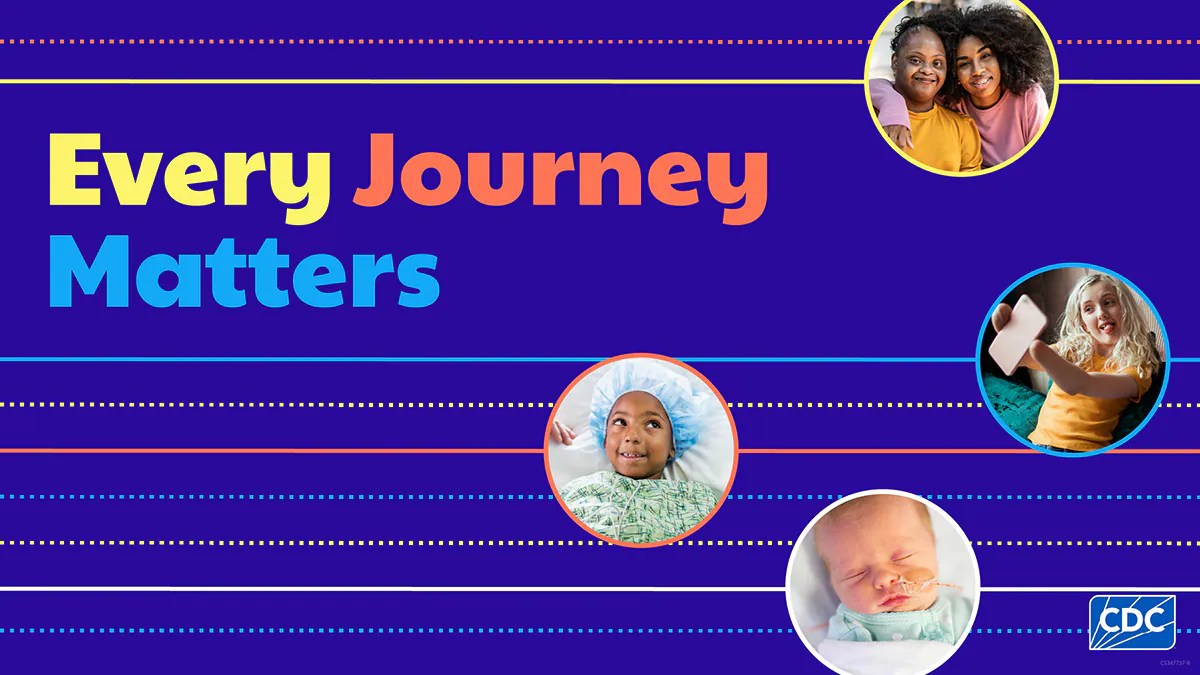
January is National Birth Defects Awareness Month, with “Every Journey Matters” as this year’s theme. According to information from the New York State Office of Cannabis Management website at cannabis.ny.gov, one critical area to consider is that of avoiding harmful substances during pregnancy, such as cannabis. Based on studies of both human and animal subjects, leading medical organizations such as the American College of Obstetricians and Gynecologists and the American Academy of Pediatrics recommend that anyone who is contemplating pregnancy, is pregnant, or is breastfeeding should stop using cannabis. When mommy uses any substance, so does baby. Chemicals in cannabis pass through the mother and can harm a baby’s development. Included is cannabis smoke, which has many of the same chemicals as tobacco smoke, which are known to be harmful to both mother and baby.
Cannabis purchased from the illicit market, not from a licensed dispensary, can pose additional risks as it is not tested or regulated. These products can potentially be contaminated with mold, fungus, pesticides, or other chemicals that can be dangerous if consumed. Potency levels may also not be labeled or labeled accurately.
Expectant mothers who take medical cannabis are strongly encouraged to talk with their health care provider about the possible risks/benefits during pregnancy, and ask about other medications or treatments which may have more pregnancy-specific safety data. This is also suggested for women experiencing morning sickness, as there have been no clinical trials or studies to prove that cannabis is an effective way to treat morning sickness.
Benefits of breastfeeding are vast for both mother and baby. For more information on cannabis and the impact on breastfeeding, view the Breastfeeding Ground Rounds entitled Marijuana Use During Pregnancy and Breastfeeding, hosted by the SUNY University at Albany School of Public Health.
Let’s support our future generation of babies by encouraging potential mothers to choose a healthy lifestyle free of substances! Be an active participant in this important initiative by visiting the National Birth Defects Prevention Network (NBDPN) website for resources. For assistance with a substance use disorder, call the Allegany Council on Alcoholism and Substance Abuse’s Clinic at 585-593-6738.
Remember, Prevention Works!
ACASA’s Executive Director Retires After 22 years of Service.
William Penman, Executive Director of ACASA retires after serving the Allegany County communities for 22 years. While at ACASA Mr. Penman expanded the agency, overseeing the building of the new Trapping Brook House Residential facility, building the new ACASA Clinic with Medically Assisted Treatment all while improving the entire continuum of services in the delivery of Prevention Education and Allegany County Jail services. Mr. Penman and the ACASA board appointed a new Executive Director, Mr. Chad Sebastian, MS, CASAC-M, G.
Mr. Sebastian has been with the Allegany Council for over 23 years. He began his career with the Council in 2001 as a Prevention Educator, working with students and parents in various programs. He then transitioned into the role of Counselor at the Clinic running groups and meeting with individuals on their journey to recovery. During this time, Mr. Sebastian also instructed the Impaired Driver Program, quickly becoming the Director of the program. When the need arose, he became the Residential Director as well as Clinic Director for many years. Recently, Mr. Sebastian was named Deputy Director prior to his appointment as the Executive Director. Mr. Sebastian will strive to continue to increase awareness of substance use prevention and treatment including gambling disorders. ACASA continues to promote the belief that individuals with a substance use disorder can and do recover.
Great American Smokeout Meets Earth Day in Fillmore
Students from Fillmore’s Reality Check program marked 2024’s Great American Smokeout (GASO) by painting windows of the local Shop and Save with the message: “SAVE OUR EARTH BY QUITTING.”


“We all know that tobacco products kill people,” says Jonathan Chaffee, Youth Outreach Coordinator at Tobacco-Free Chautauqua, Cattaraugus and Allegany Counties (TF-CCA). “This year, my youth champions want to get people in their school and community to consider how tobacco also kills Planet Earth and then do something about it by quitting those products.”
4.5 trillion cigarette butts are littered into the environment every year, making them the #1 form of litter in the world. According to World Health Organization, that’s enough to fill 30 cargo ships, or 60,000 shipping containers. These butts are non-biodegradable and leach 7.000 chemicals into our soil and waterways every day. Studies have shown that one cigarette butt can pollute 132 gallons of water, making it toxic to fish and other aquatic life.
Tobacco industry and deforestation, global footprint
In addition to costing people and animal their lives, the process used to produce tobacco products also kills our Earth’s natural resources. Every year, the tobacco industry uses more than 600 million trees and 772 miles of land. According to a 2022 World Health Organization report, production and consumption of tobacco releases a carbon dioxide level equivalent to driving 17 million gas powered cars each year.
As bad as tobacco products are for the environment, electronic cigarettes, or vapes, present an even more serious threat. Primarily composed of plastics and electronics, they not only use more energy and resources to manufacture, but they leach far more dangerous chemicals than the average cigarette butt. Both the batteries and e-cigarette devices contain hazardous substances such as lead, mercury, hard plastic and residual e-liquids, which won’t degrade for hundreds to thousands of years.
Help with quitting or vaping
New Yorkers who want help to quit smoking or vaping, including counseling and medication, should talk to a healthcare professional and also contact the New York State Quitline. The Quitline offers free and confidential service seven days a week by calling 1-866-NY-QUITS (1-866-697-8487), visiting nysmokefree.com or texting either QUITNOW (English) or DÉJELO YA NY (Spanish) to 333888. Live quit coaches in English and Spanish (and additional translation by request) are available every day, starting at 9 AM, to help participants develop a quit-plan and discuss triggers. Nearly all people ages 18 and older can receive a free starter supply of nicotine replacement therapy medications via mail, including nicotine patches, gum and/or lozenges. Additional self-help materials for download or mail delivery, online requests for medications or call-scheduling, and an online chat are just some of the many tools available at nysmokefree.com. Allegany County residents can also call the Allegany Council on Alcoholism and Substance Abuse, Inc. (ACASA) at (585) 593 – 1920 to speak with Community Educator Ann Weaver on free local cessation services.
Help with vaping: DropTheVape
DropTheVape is a free text-based youth and young adult vaping cessation service for smokers aged 13-24 provided by the New York State Department of Health (NYSDOH). The service is evidence-based and was developed by the Truth Initiative® with input from young people who wanted to quit vaping.
This program makes it easier to stop. Any New York State resident in the targeted age bracket can text “DropTheVape” to 88709. Enrollees receive interactive daily text messages tailored to their sign-up date or their target quit date. Messages include motivation, tips, coping strategies, and exercise to help build their belief that they CAN quit. For parents studies have shown that “You” are still the number one influence on their children, which means it is important to discuss topics, such as vaping. The American Lung Association (ALA) has a Vaping Conversation Guide to help parents have a proper conversation with their children. More information on e-cigarettes and vaping can be found at TalkItOver.org.
About The Great American Smokeout
For almost 50 years, the American Cancer Society has hosted the Great American Smokeout on the third Thursday of November. The Great American Smokeout is an opportunity for people who smoke to commit to healthy, smoke-free lives – not just for a day, but year-round.
The Great American Smokeout provides an opportunity for individuals, community groups, businesses, health care providers, and others to encourage people to use the date to make a plan to quit, or plan in advance and initiate a smoking cessation plan on the day of the event.
The Great American Smokeout event challenges people to stop smoking and helps people learn about the many tools they can use to help them quit and stay quit.
Fillmore’s Reality Check would like to say “Thank You” to Shop’n Save and owner Randy Ellis for helping them educate their community about the dangers of tobacco product use and its litter.
Halloween and Youth Health News: Candy flavored cigars are Big Tobacco’s Trick, NOT a Treat

Berry Fusion, Maui Pineapple, and Cherry Dynamite. These are the candy flavors many young ghouls and ghosts will get while trick-or-treating this Halloween. They are also the same flavors our teens see in flavored little cigars and cigarillos marketed alongside candy at convenience stores and gas stations in their communities.
“They may sound like Halloween treats, but in reality they are Big Tobacco’s tricks for getting kids hooked on their products,” says Jonathan Chaffee, Reality Check Youth Coordinator for Tobacco-Free Chautauqua, Cattaraugus and Allegany Counties (TF-CCA).
Cigarillos, the more popular product, are short and narrow cigars that usually do not include a filter. Little cigars are the same size and shape as cigarettes, often include a filter, and are packaged in a similar way. Both are taxed differently than cigarettes.
Why flavored cigars are a concern.
Chaffee and other public health leaders across the CCA region, New York State and the country are particularly concerned with the newest generation of cigars, including brand names like Swisher Sweets, Dutch Masters, Phillies and Black & Milds. A Swisher Sweet cigarillo contains about 10.8 milligrams of nicotine per gram of tobacco. That’s more than a cigarette, which typically average 8 milligrams, and fuels youth addiction.
“Our biggest concern is that the flavors mask the harshness of tobacco, making these products easier to use and more appealing to young people,” says Chaffee. “Flavors in cigars means more youth will start smoking them, progress to become regular users and potentially become addicted.”
According to 2023 study from the Truth Initiative, flavors are a major reason why young people use cigars, with 74% of adolescents who used cigars in the past month indicating that they used them “because they come in flavors I like.”
What they don’t know is that these cigars contain the same addictive, toxic and carcinogenic compounds found in cigarettes. Similar to e-cigarettes, cigars are sometimes marketed as being a healthier alternative to cigarettes but that is untrue. Health risks of flavored cigar smoking include gum disease, cancers of the larynx, esophagus and lungs, with daily cigar smokers having an increased risk of heart disease and chronic obstructive pulmonary disease.
Co-use of cigarillos and marijuana.
Studies show that many young people use cigarillos as “blunts,” a term for a cigar emptied of its tobacco and replaced with marijuana. Brands like Backwoods (Imperial Tobacco Brands LLC) even have product features, like honey, Russian creme and dark stout flavors, that enhance the blunt smoking experience as featured in the brand’s Instagram posts. Researchers believe this co-use behavior may play a role in promoting increased tobacco use and nicotine dependence.
Marketing to youth.
As new flavored cigars flood the marketplace, tobacco companies market them in bright, colorful packaging mimicking candy which threatens our teens, as well as New York State’s efforts to reduce tobacco use. According to a report from the Campaign for Tobacco-Free Kids, companies have also tricked us and our children by avoiding regulations, including new product marketing restrictions and tobacco taxes, contributing to the ongoing problem of youth use.
Cigar manufacturers use many strategies to attract young people including emphasizing flavors in advertisements, paying to place them on store countertops, engaging in fun and engaging social media trends, keeping prices low and introducing new and limited-edition flavors such as “harvest blend,” “summer fusion,” “sticky sweets” and “spiced rum.”
Good news: FDA proposes rule prohibiting flavored cigars.
In April 2022, the Food and Drug Administration (FDA) announced a proposed rule to prohibit all characterizing flavors in cigars based on clear evidence that all cigars increase health risks, but particularly, flavors. The rule noted that flavors increase the appeal of cigars and make them easier to use, especially for youth, and that removing flavored cigars from the market would reduce the number of youth who smoke cigars.
Why the FDA must act NOW.
- Sales of all cigars more than doubled between 2000 and 2021, largely driven by increased sales of smaller types of cigars, many of which are flavored.
- More than a half million youth in the U.S. use flavored cigars, and in recent years more young people tried a cigar every day than tried a cigarette.
- The hundreds of flavored cigars make up about half of the cigar market and can be as cheap as 3 for 99 cents.
- In recent years, cigar makers have also introduced limited edition products described as “new” in flavors likely to be extremely appealing to youth.
Preventing tobacco use among youth is a priority because tobacco is the leading cause of preventable death in the world. This Halloween, let’s hope the FDA will give us a real treat and ban flavored cigars before they hook a new generation of smokers.
Reality Check is a teen-led, adult-run program that seeks to prevent and decrease tobacco use among young people throughout New York State.
For more information about Reality Check, visit realitycheckofny.org.
Allegany County’s Fall Pill Drop held in Bolivar and Fillmore
This past Saturday, October 26 the Allegany Council on Alcoholism and Substance Abuse, Inc. (ACASA), the Allegany County Sheriff’s Office, the Bolivar Police Department, Bolivar and Fillmore Volunteer Fire Departments, and Partners for Prevention in Allegany County (PPAC) held their biannual pill drop event in conjunction with the Drug Enforcement Administration’s (DEA) National Take Back Day. Community members brought over 35.2 pounds of unwanted or unused medications they wanted to dispose of properly. The agencies use the pill drops to educate the community on the fourteen Take It to the Box locations that are throughout Allegany County, that can be used to dispose of medications year-round for free. The partners also educated about the availability to dispose of needles at any of the Allegany County transfer stations for free. Community members are asked to put needles into a puncture proof container like a laundry detergent bottle with the cap securely on. Allegany County is one of the very few counties in New York that offers this service for free.
Bolivar and Fillmore were chosen to be the Fall pill drop locations to help educate about the Take It to the Box location at Jones Memorial Medical Practice, 120 First Street in Bolivar and the Fillmore Pharmacy, 10560 Route 19 in Fillmore. “The pill drop program provides a unique opportunity for community education in addition to giving citizens of Allegany County a method to safely dispose of unwanted pharmaceuticals,” states Undersheriff Walt Mackney. “This helps the environment while benefiting the “At Risk” population of the county,” states Undersheriff Mackney.


10 cars came to the two locations to drop off medications. Even though the pill drop events do not collect as much medication as in the past the Take It to the Box locations collected over 1,600 pounds in 2023. Each person who dropped medications off received a Take It to the Box magnet. All medications that are collected are taken to an incinerating location by the Sheriff’s Office to make the medications harmless to the environment and useless to people.
“It is important for people to not hold onto medications that they are no longer using as studies have shown that youth and adults who abuse medications usually get them from friends or family members without their knowledge,” states PPAC Coalition Coordinator Jon Chaffee.
The partners would like to “Thank” the Bolivar and Fillmore Volunteer Fire Departments for providing space for the Fall Pill Drop.
The next pill drop event will be held in April of 2025. To find out where all the Take It to the Box locations are located throughout Allegany County visit www.ppaccentral.org/takeittothebox/. If you want to know more information about the National Take Back Day or find other locations you can visit https://www.dea.gov/takebackday. For questions people can also reach out to Coalition Coordinator Jonathan Chaffee by emailing ppac@alleganycouncil.org or calling (585) 593 – 1920.
Remember Prevention Works!
Back to School: What Schools and Parents Should Know About Vaping and Nicotine Pouches

ith students back in school this month, public health leaders from Tobacco-Free CCA say it’s important to be aware of the risks of vaping, as well as a new nicotine product called nicotine pouches. Many users say they’re a safer way to use nicotine, but that is not the case.
“We’ve been working with schools and communities the last several years to stop youth vaping, but there’s another addictive nicotine product gaining popularity among teens: oral nicotine pouches,” says Jonathan Chaffee, Reality Check Youth Outreach Coordinator for Tobacco-Free CCA.
According to Chaffee, the pouches are smokeless, and teens tuck them into their upper lip called an “Upper Decky” making them harder to detect. They are sold in small containers under different brand names, including Zyn, Velo, Rogue and On!, and come in a variety of youth-friendly flavors including mint, fruit, menthol, coffee, and cinnamon.
How much nicotine is in oral nicotine pouches?
Nicotine concentrations differ across oral nicotine brands. In the United States.
- Zyn (the most popular brand) is sold in 3 and 6 mg.
- Velo is sold in 2,4 and 7mg.
- On! is sold in 1.5, 2, 3.5, 4 and 8mg.
- On! Plus offers nicotine strengths of 6, 9 and 12mg.
- Youth can get nicotine pouches online that contain up to 17mg per pouch.
2024 Findings on Youth Tobacco Use: Youth vaping less
In September 2024, the Federal Drug Administration (FDA) and Centers for Disease Control and Prevention (CDC) released data from the 2024 National Youth Tobacco Survey (NYTS) on e-cigarette and nicotine pouch use among U.S. youth: “Notes from the Field: E-cigarette and Nicotine Pouch Use Among Middle and High School Students—United States, 2024.”
Findings showed that there was a significant drop in the number of U.S. middle and high school students who reported current (past 30 days) e-cigarette use – a decrease from 2.13 million (7.7%) youth in 2023 to 1.63 million (5.9%) youth in 2024.
Evidence shows that as e-cigarette products have faced federal flavor restrictions recently, high school students are vaping less. But experts at Tobacco-Free CCA are concerned that as kids move away from vapes, they may move toward nicotine pouches because they have appealing flavors.
“My tobacco control colleagues across New York State and I have seen different kinds of tobacco and nicotine products rise in popularity all the time, but we’ve learned over the years what works,” says Chaffee. “We’re very concerned that the industry continues to find new products, new ways to addict our kids, and we’ll keep focusing on Zyn as well as youth vaping
More on nicotine pouches
- They are pillow-like pouches that deliver nicotine directly into the bloodstream through the mouth’s membrane lining. Created in 2014 by the company Swedish Match.
- In addition to being perceived as a safer, and therefore, “healthier” addiction than vaping, nicotine pouches directly appeal to children and young people for a few other reasons.
- Like JUUL pods, nicotine pouches are sold in a variety of “fun” flavors such as peppermint, cinnamon, coffee, and citrus-which makes them pleasant to use.
- Social media sites like TikTok feature “Zynfluencers,” whose content mainly consists of themselves using and promoting the pouches. This is concerning, especially considering 47.4% of all TikTok users in 2024 are under 30 years old.
Harms of Nicotine Pouches and Vapes
- Nicotine can harm brain development, which continues until about age 25.
- Youth can start showing signs of nicotine addiction quickly, sometimes before the start of regular or daily use.
- Using nicotine during adolescence can harm the parts of the brain that control attention, learning, mood, and impulse control.
- Adolescents who use nicotine may be at increased risk for future addiction to other drugs.
Help for quitting: DropTheVape and Vaping Conversation Guide from the American Lung Association (ALA)
DropTheVape is a free text-based youth and young adult vaping cessation service for smokers aged 13-24 provided by the New York State Department of Health (NYSDOH). The service is evidence-based and was developed by the Truth Initiative® with input from young people who wanted to quit vaping.
This program makes it easier to stop. Any New York State resident in the targeted age bracket can text “DropTheVape” to 88709. Enrollees receive interactive daily text messages tailored to their sign-up date or their target quit date. Messages include motivation, tips, coping strategies, and exercise to help build their belief that they CAN quit.
The American Lung Association (ALA) also has resources for talking to kids about vaping, including a conversation guide and a campaign.
Be a Family STAR!
Monday, September 23rd, marked the 24th anniversary of Family Day: Making Every Day Special, founded in 2001 by the Center on Addiction. Research by the National Center on Addiction and Substance Abuse (CASA) at Columbia University has consistently found that the more often children eat dinner with their families, the less likely they are to smoke, drink, or use other drugs. Conversations during mealtime are a way for parents to stay connected and involved with their children. Including youth in meal prep and clean-up instills a sense of responsibility and they are likely to feel like part of a team. In addition to family bonding, kids who eat with their families are more likely to learn healthy eating habits, eat smaller portions, do better in school, and are less likely to stress about food. Depending on weather, a picnic with board games would be a fun way to enjoy nature and appreciate each other’s company.
Televisions, cell phones, and other mobile devices should be turned off during dinner so each person can share the day’s events without distractions. (The exception would be if a family member is separated by distance and phone/virtual technology is the primary means of communication.) Trips in the vehicle can also be used as teachable, quality bonding time, as parents have a “captive” audience. The earlier parents start connecting with their kids, the better. If kids aren’t used to talking to their parents about what’s going on in their lives when they are eight or ten, it will be more difficult to get them talking when they are older.
Teens are at greater risk of substance abuse as they move from middle school to high school, so, parents need to be especially attentive during this transition period.
If parents are unsure of how to start an age-appropriate conversation, they can access tips in the Parent Toolkit on the CASA Family Day website. Other valuable information can also be found in the toolkit, such as “connecting” with kids, preventing substance use, background facts on substance use, family activities and worksheets, and tips for talking to kids about substance use. Parents can also sign up on the website to receive a parent newsletter. Family photos and/or videos can be shared on social media using #MyFamilySelfie.
Be creative! Ask family members what healthy, positive activity they would like to try as a family unit. Even though the 23rd has passed, pick a date in the near future and stick to it!
Celebrate with parents nationwide and pledge to commit to:
- Spend time with your kids by playing games, taking a walk, or enjoying another family activity.
- Talk to them about their friends, interests, and the dangers of using substances.
- Answer their questions and listen to what they say.
- Recognize that parents have the power to keep their kids substance-free! A warm, supportive relationship between parents and their children is linked to better judgement, increased self-control, and resilience, which are strengths that help reduce the risk of future drug use.
Remember, parental engagement does make a difference, and prevention works!
35th National Recovery Month

This September marks the 35th National Recovery Month, an observance held every September since 1989 to promote and support new evidence-based treatment and recovery practices, the emergence of a strong and proud recovery community, and the dedication of service providers and community members across the nation who make recovery in all its forms possible. This year’s theme of celebration is “The Art of Recovery.”
In May of this year, the Office of Recovery launched the “Gallery of Hope: Artistic Expressions of Recovery Across the Nation.” This digital platform features over 280 selected artworks and is open for viewing until September 30. Through inviting visual art submissions from people with lived experience and their families, creative expression as a means of connection, healing, and empowerment is meant to break down societal stigmas and foster greater understanding and support. Categories for viewing pleasure include photography, painting(abstract, landscape and plants, people and animals, and word), or mixed media, and can be found at 2024 Gallery of Hope.
As part of Recovery Month, #AddictionProfessionalsDay is celebrated on September 20, marking the 32nd Anniversary since National Addiction Professionals Day was established by NAADAC (National Association for Alcoholism and Drug Abuse Counselors) in 1992 to commemorate the dedicated work that these vital players of the health system and continuum of care do on a daily basis. Visit NAADAC for more information.
According to information published by SAMHSA (Substance Abuse and Mental Health Services Administration), peer support workers are those who have been successful in the recovery process and are able to help others who are experiencing similar situations. Through shared understanding, respect, and mutual empowerment, peer support workers help people become and stay engaged in the recovery process and reduce the likelihood of relapse. Peer support services can effectively extend the reach of treatment beyond the clinical setting into the daily environment of those seeking a successful, sustained recovery process.
Peer support workers engage in a wide range of activities that include advocating for people in recovery; sharing resources and building skills; building community and relationships; leading recovery groups; and mentoring and setting goals. Peer support roles may also extend to providing services and/or training; supervising other peer workers; developing resources; administering programs or agencies; and educating the public and policymakers.
Peer support workers may need to develop additional core competencies to provide services to specific groups who also share common experiences, such as family members. The shared experience of being in recovery from a mental health and/or substance use condition or being a family member is the foundation on which the peer recovery support relationship is built.
Previously, Recovery Month was sponsored by SAMHSA. In 2020, the federal government “turned the reins over” to the recovery community to sponsor and manage this yearly observance. Although SAMHSA remains an active Recovery Month Planning Partner and supporter, Faces & Voices of Recovery, a long-standing Recovery Month Planning Partner, now hosts the Recovery Month website, managing the social media outreach, developing and disseminating promotional materials, and is the central location for all Recovery Month events. More information can be found at Faces & Voices of Recovery.
Local counseling is available at the Allegany Council on Alcoholism and Substance Abuse, Inc., at 585-593-6738. Seven in ten adults who have had a mental health or substance use condition are in recovery. Let’s support those in need of services and remember that recovery is real and possible!
Resources
National Recovery Month Events
Free Webinars
September 16, 1pm-2pm EST: Nothing About Us Without Us: Families Supporting Recovery
September 17, 1pm-2pm EST: Recovery on Purpose
September 19, 1pm-2pm EST: The Interface of Peer Support and Person-Centered Planning
Remember Prevention Works!
August is National Breastfeeding Month

The Healthy Families New York home visiting Program matches parents with
knowledgeable and caring workers who provide information and support during
pregnancy and early childhood. Services include helping families access community
resources and services, educating families on parenting and child development,
connecting families with medical providers and assessing children for developmental
delays. For more information call 716-372-5987 or email hfac14760@yahoo.com.
One of the services the program provides is having a Certified Lactation Consultant on staff to
assist with breastfeeding questions and concerns as well as to guide on techniques for
breastfeeding.

Research has shown that breastfeeding can have many benefits for both babies and mothers.
Nutrition: Breast milk provides all the nutrients a baby needs in the right proportions.
Protection: Breastfeeding contains antibodies that help babies have a stronger immune
system and can help decrease respiratory infections, and the frequency of colds. It has also
been shown to reduce the likelihood of diarrhea and constipation issues as well as vomiting, ear
infections, and colic. This has also contributed to less use of health care services with fewer
hospitalizations.
Cognitive development: Children who have consumed 100% breast milk have higher IQ’s,
there is a 9-point advantage over those who consumed no breastmilk at all.
Health benefits for mothers: Women who breastfeed typically return to their pre-pregnancy
weight more quickly than women who formula feed. Breastfeeding can reduce the risk of breast
and ovarian cancer. Breastfeeding produces oxytocin, which helps the uterus contract after
birth and reduces vaginal bleeding.
Follow Healthy Families Allegany/Cattaraugus on Facebook for more information.
According to the March of Dimes, most substances pass through the breast milk to the baby, including alcohol, nicotine, marijuana, and illicit drugs, such as heroin and cocaine. Alcohol includes beer, wine, wine coolers, and liquor. Nicotine may make a baby fussy, make it harder for the baby to sleep, and reduce milk supply so that the baby may not get all the milk he or she needs. Since marijuana has been made legal in states across the United States, people have the misconception that it is safe to use. If a woman uses marijuana, THC and other chemicals may increase the risk for problems with brain development and may affect the amount and quality of the breast milk. New York’s Office of Cannabis Management states that, “We do know that smoking can be harmful to both you and your baby. It is recommended to stop smoking products of any kind during pregnancy, while breast/chest feeding, or when around children of any age.” Concerning prescription medicines, some are not safe to take while breast feeding, making it essential for a mother who is breast feeding to consult her health care provider. Most OTC (Over-The-Counter) medicines are safe to use during breast feeding, but even these should be discussed with the doctor’s office. Healthy Moms. Strong Babies.
Remember Prevention Works!
Local Organization Focuses on Reducing Tobacco Product Waste for Plastic Free July
Why is a group with Tobacco-Free in its name so passionate and determined to promote plastic-free living for the month of July? Because tobacco product waste, especially the tiny but troublesome discarded cigarette butts, is a form of plastic waste.

“According to the World Health Organization (WHO) 4.5 trillion cigarette butts are littered every year, making them the most littered item on the planet,” says Jonathan Chaffee, Youth Coordinator for Tobacco-Free Chautauqua, Cattaraugus and Allegany counties (TF-CCA). “That’s a problem because cigarette butt filters are made of a nonbiodegradable plastic called cellulose acetate.”
When tossed into the environment, cigarette butts dump not only plastic, but also nicotine, arsenic, formaldehyde, lead and cadmium that leaches into our soil, waterway systems and surrounding environment, affecting all kinds of living things from plants and flowers to wildlife and marine life.
Beyond cigarette butts
Chaffee notes that cigarette butts are just one form of tobacco product waste that is plastic litter. Electronic cigarettes, also known as e-cigarettes or vapes, are also toxic to the environment because they contain an lithium battery and the e-juice, both of which are considered hazardous waste. Add plastic cigar tips, tobacco product wrappers and smokeless tobacco product containers and the local, state and global pollution problem continues.
What can you do in your community
- Host a cigarette butt cleanup? Cleanups can help build awareness about the extent of the tobacco product pollution and why it’s important to stop. Be sure to wear gloves and pick up discarded vapes, cigar tips and plastic packaging as well.
- Establish a smoke and vape free policy for community events and activities.
- Help people quit. Eliminating tobacco product waste for good also means helping smokers and vapers quit.
The New York State Smokers’ Quitline is a confidential service for all New York State residents who wish to overcome dependence on commercial tobacco products, including e-cigarettes. Free offerings include individualized coaching and assistance with quit-planning from highly trained tobacco treatment specialists, text and online chat support and free shipping of stop-smoking medications such as nicotine patches, nicotine lozenges or nicotine gum for those 18 and older.
Residents of all ages may contact the Quitline for support and educational materials. In addition, the Quitline encourages teens and young adults (ages 13-24) to text “DROPTHEVAPE” to 88709 to join “This Is Quitting,” a free texting support program for help with quitting vaping. For more information, text QUITNOW to 333888 or call 1-866-NY-QUITS (1-866-697-8487) seven days a week, beginning at 9 a.m.
Reality Check is a teen-led, adult-run program that seeks to prevent and decrease tobacco use among young people throughout New York State.
For more information about Reality Check, visit realitycheckofny.org.
Reality Check New York empowers youth to become leaders in their community in exposing what they see as the manipulative and deceptive marketing tactics of the tobacco industry. The organization’s members produce change in their communities through grassroots mobilization and education. Reality Check in this area is affiliated with Tobacco-Free Chautauqua, Cattaraugus and Allegany (TF-CCA), a program of Roswell Park Comprehensive Cancer Center.
The NYS Tobacco Control Program is made up of a network of statewide contractors who work on Advancing Tobacco-Free Communities, which includes Community Engagement and Reality Check, the Health Systems for a Tobacco-Free New York, the NYS Smokers’ Quitline and Surveillance and Research. Their efforts are leading the way toward a tobacco-free society. For more information, visit TobaccoFreeNYS.org, YOUR OWN WEBSITE and NYSmokeFree.com.